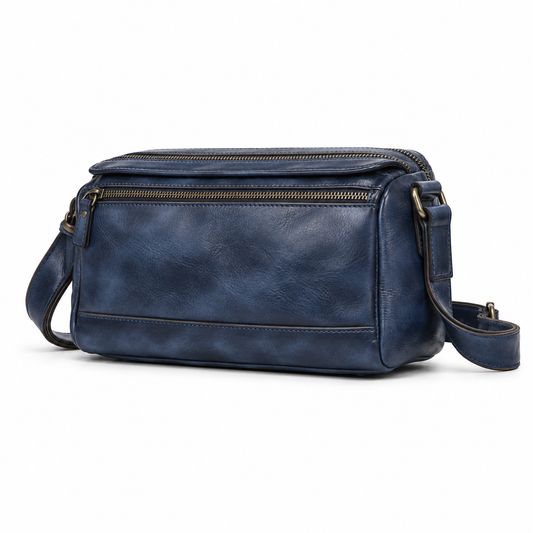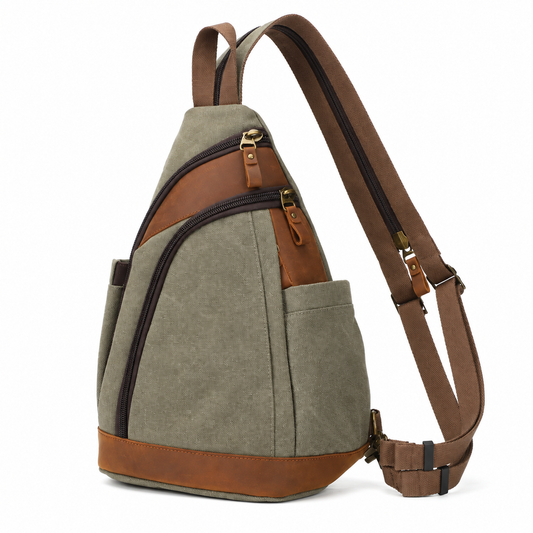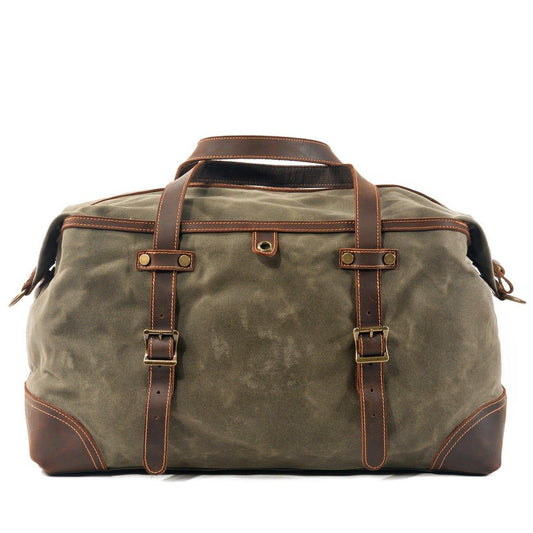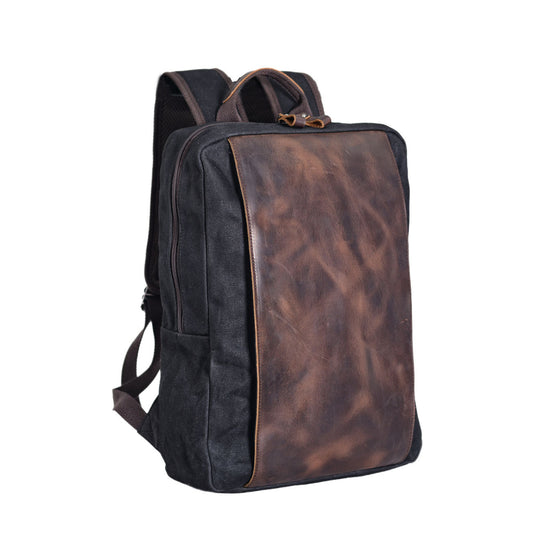

Guide d'achat du sac messager en cuir vintage : cuir, accessoires, ajustement et organisation pour les navetteurs de 2026

Guide d'achat du sac messager en cuir vintage pour les navetteurs de 2026
Un sac messager en cuir vintage reste l'une des solutions de transport les plus pratiques pour les trajets quotidiens en 2026. Que vous rouliez à vélo à Amsterdam, preniez le métro à Tokyo ou marchiez jusqu'à un espace de coworking à Chicago, un sac messager en cuir bien fait garde votre ordinateur portable, vos documents et vos essentiels quotidiens organisés tout en vieillissant pour devenir un sac qui s'améliore d'année en année. Ce guide détaille les matériaux, la quincaillerie, l'ajustement et l'organisation interne que vous devriez évaluer avant d'acheter, afin que vous puissiez choisir un sac messager en cuir vintage qui correspond véritablement à votre trajet plutôt qu'un sac qui a simplement l'air beau sur une photo de produit.
Pourquoi un sac messager en cuir vintage est idéal pour les trajets quotidiens
Le design à bandoulière unique est ce qui distingue un sac messager en cuir vintage des sacs à dos et des porte-documents. Porté en travers du corps, le poids repose sur la hanche opposée, laissant les deux épaules libres et vous permettant d'ouvrir le rabat sans retirer le sac dans les transports en commun bondés. Pour les navetteurs qui se déplacent entre le vélo, le bus et le bureau, ce rabat à accès rapide vaut plus qu'un litre de capacité supplémentaire. Le cuir résiste également aux éraflures qui déchireraient le nylon, et une peau pleine fleur développe une patine qui signale discrètement la longévité plutôt que l'obsolescence programmée.
Le style compte aussi. Un sac messager en cuir est perçu comme intentionnel d'une manière qu'un sac à dos technique ne l'est pas, c'est pourquoi tant de professionnels gardent un seul sac toute la journée. Vous pouvez vous rendre à une réunion client à 9h du matin et au marché le week-end à 18h sans changer de sac. Cette polyvalence est la véritable raison pour laquelle cette catégorie a survécu à tous les cycles de tendances depuis les sacs de coursiers des années 1990, et c'est pourquoi un sac soigneusement choisi reste d'actualité dix ans plus tard.
L'anatomie d'un sac messager de qualité
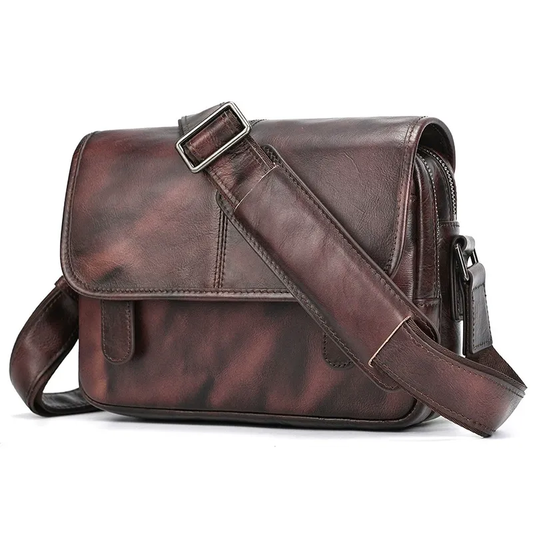
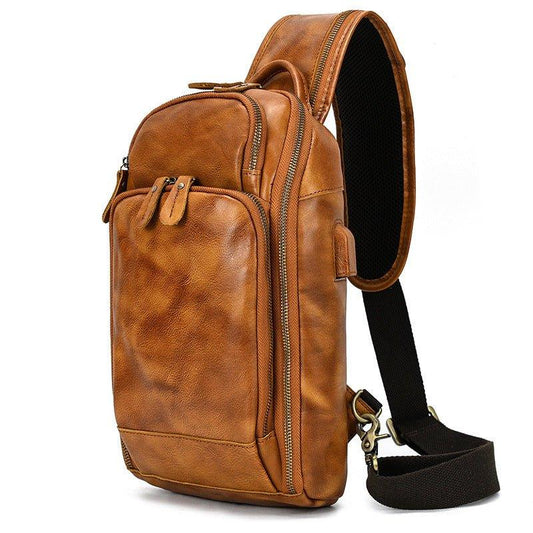
Avant de comparer les marques, apprenez les éléments. Le rabat protège l'ouverture et distribue la pluie. La sangle porte la charge et doit être solidement ancrée. Le panneau arrière repose contre votre corps et doit être lisse pour éviter l'usure de votre manteau. À l'intérieur, une housse suspendue pour ordinateur portable, une poche pour documents et de petites fentes d'organisation font la différence au quotidien. La quincaillerie, les boucles, les rivets et les fermetures éclair, est le squelette. Lorsque vous comprenez ces éléments, les arguments marketing cessent d'avoir de l'importance et vous pouvez juger le sac par sa fabrication.
Vérifiez rapidement cinq points en magasin ou à partir de photos : Les ancrages de sangle sont-ils rivetés et cousus ? La fermeture éclair est-elle en métal et de gros calibre ? Le rabat couvre-t-il entièrement l'ouverture ? Les bords sont-ils polis plutôt que bruts ? La housse pour ordinateur portable est-elle rembourrée et adaptée à votre appareil ? Si l'une des réponses est non, le sac vous frustrera en moins d'un an. Un sac messager en cuir vintage qui passe ces cinq points vaut un supplément.
Qualité du cuir : pleine fleur, fleur corrigée et cuir véritable expliqués
Avant de comparer les prix, comprenez ce qui est à l'extérieur. La qualité du cuir détermine l'apparence du sac au bout de six mois et au bout de six ans.
| Type de cuir | Durabilité | Patine | Idéal pour |
|---|---|---|---|
| Pleine fleur | La plus élevée | S'approfondit magnifiquement | Navetteurs quotidiens à vie |
| Fleur corrigée | Élevée | Subtile, uniforme | Look professionnel, soigné |
| Cuir véritable | Modérée | Minimale | Budget, usage léger |
| Cuir reconstitué | Faible | Aucune | À éviter pour les trajets quotidiens |
Le cuir pleine fleur conserve toute la couche de grain, il résiste donc à l'étirement et raconte une histoire à travers l'usure. Le cuir fleur corrigée est poncé pour une surface plus nette et est plus facile à maintenir formel. Le "cuir véritable" est une appellation légale, pas une promesse de qualité, et signifie généralement des fentes corrigées. Pour un sac messager en cuir vintage que vous avez l'intention de porter pendant des années, le cuir pleine fleur ou fleur corrigée est le seul point de départ raisonnable, et le faible écart de prix se rentabilise en années de service.
Quincaillerie qui survit à des années de trajets quotidiens
Le cuir survit au métal sur la plupart des sacs, alors inspectez attentivement la quincaillerie. Les boucles en laiton massif ou en acier inoxydable durent une décennie de plus que le pot-métal plaqué. Recherchez une fermeture éclair YKK ou RiRi de marque avec des dents en métal sur le compartiment principal, un curseur lisse qui maintient sa position sous charge, et des ancrages de sangle qui sont à la fois rivetés et doublement cousus plutôt que collés. Les fermetures magnétiques cachées sous le rabat permettent un accès d'une seule main tout en conservant l'aspect verrouillé d'une boucle.
- Ancrages de sangle : rivetés et doublement cousus, jamais collés.
- Fermetures éclair : dents métalliques de marque sur le compartiment principal.
- Fermetures magnétiques : cachées sous le rabat pour un accès rapide.
- Régleurs : un curseur lisse qui maintient sa position sous une lourde charge.
Un sac qui lâche au niveau de la boucle est un sac que vous cessez d'utiliser. Les meilleurs sacs messagers en cuir vintage considèrent la quincaillerie comme un composant structurel, pas comme une décoration, car un seul fermoir cassé peut rendre un sac par ailleurs parfait inutilisable.
Rembourrage de la sangle et confort de l'épaule
La sangle est là où le confort est gagné ou perdu. Une sangle étroite en sangle s'enfonce dans l'épaule une fois que le sac dépasse quelques kilos, alors recherchez au moins 5 cm de largeur avec une section rembourrée et un dessous antidérapant. Un coussin coulissant qui reste sur votre épaule est plus important qu'une marque fantaisiste. Certains sacs ajoutent une sangle stabilisatrice secondaire qui se clipse de l'autre côté, transformant la sangle unique en un transport plus équilibré pour les trajets à vélo. Si vous transportez un ordinateur portable de 14 pouces plus une bouteille d'eau, le confort de la sangle n'est pas facultatif, c'est la différence entre arriver détendu et arriver endolori.
Comment choisir la taille d'un sac messager en cuir vintage en fonction de votre corps
L'ajustement est la spécification la plus négligée. La sangle doit permettre au sac de reposer sur votre hanche, le rabat se trouvant juste au-dessus de la ceinture. Trop bas, il vous heurtera le genou dans les escaliers ; trop haut, il remontera sous votre aisselle. Mesurez votre torse de l'épaule à la hanche et faites correspondre la longueur de sangle indiquée. Pour les ordinateurs portables, confirmez que la housse correspond à votre taille exacte : une machine de 16 pouces a besoin d'une véritable housse de 16 pouces, et non d'un compromis "jusqu'à 15,6 pouces" qui fait bomber le rabat.
La capacité dépend de l'utilisation. Un sac de 10 à 13 litres couvre un ordinateur portable, un chargeur, un cahier et le déjeuner. Un sac de 15 à 18 litres ajoute une veste et une bouteille d'eau. Au-delà de 20 litres, un sac messager devient difficile à manier et un sac à dos l'emporte sur l'ergonomie, alors résistez à la tentation de prendre une taille supérieure "juste au cas où". Le bon sac messager en cuir vintage semble presque léger parce que la taille correspond à la charge.
Organisation interne : poches, compartiments et fermetures
Un sac messager en cuir vintage doit organiser, pas seulement contenir. L'agencement idéal comprend une housse rembourrée pour ordinateur portable contre le panneau arrière (le plus proche de votre corps pour l'équilibre), une poche plate pour documents et une ou deux poches avant ouvertes pour le téléphone et la carte de transport. Des fentes pour stylos et un clip pour clés évitent la pagaille quotidienne. Évitez les sacs avec un seul compartiment caverneux ; sans séparations, les petits objets coulent au fond et votre trajet commence par une fouille.
Le style de fermeture façonne la sécurité. Un rabat à boucle et sangle est le plus résistant au vol et le plus "vintage". Un rabat magnétique est plus rapide mais légèrement moins sécurisé. Certains sacs héritage modernes combinent les deux : magnétique sous la boucle, vous obtenez donc la vitesse avec un look verrouillé. Choisissez en fonction de l'importance que votre trajet accorde à la vitesse ou à la sécurité maximale à la hanche.
Couleur, finition et patine : brun clair, noir et vieilli
La finition modifie la façon dont le sac vieillit. Le cuir tanné végétal naturel de couleur fauve commence pâle et s'assombrit en un riche miel après un an d'exposition au soleil et de manipulation, le look "vintage" classique. Le cuir pleine fleur noir reste formel et masque les éraflures, idéal pour les trajets professionnels. Les finitions vieillies ou pull-up montrent immédiatement des marques, mais elles sont intentionnelles plutôt qu'endommagées. Choisissez la finition qui correspond à votre garde-robe : fauve pour les environnements décontractés et créatifs, noir pour les plus conservateurs, vieilli pour un style personnel robuste. Les trois sont valables ; l'erreur est d'acheter une finition que vous passerez l'année à essayer de garder propre.
Résistance aux intempéries et entretien sur la route
Le cuir n'est pas résistant à la pluie par défaut. Une légère couche de cire ou un après-shampooing dédié deux fois par saison maintient l'eau en perles au lieu de la laisser pénétrer. En Asie mousson ou en Europe du Nord enneigée, une simple housse de pluie enroulable (rangée dans la poche arrière) protège le sac et vos appareils électroniques. Chaque mois, essuyez avec un chiffon humide, conditionnez tous les trimestres et ne laissez jamais le sac entassé sous un manteau mouillé. Un sac messager en cuir vintage bien entretenu dure trois fois plus longtemps que les remplacements synthétiques et s'améliore à chaque saison d'utilisation.
Réalités des navetteurs régionaux : Europe, Asie et Amériques
L'endroit où vous effectuez votre trajet modifie vos besoins. En Europe, les villes cyclables comme Copenhague et Utrecht exigent une sangle qui reste en place à grande vitesse et un rabat qui protège des éclaboussures ; une sangle de porte-bagages arrière est un bonus. En Asie, les systèmes de métro denses de Tokyo à Singapour récompensent les profils minces qui se glissent dans les tourniquets et une poche avant pour la carte de transport. Dans les Amériques, les trajets en voiture et à pied dans des endroits comme Chicago ou São Paulo privilégient un sac légèrement plus grand qui transporte un ordinateur portable plus un changement de vêtements pour la salle de sport. Adaptez le sac au transport, et non à la photo du catalogue, et le transport quotidien cessera de ressembler à un compromis.
Sac messager en cuir vintage vs sac à dos vs porte-documents
| Facteur | Messager | Sac à dos | Porte-documents |
|---|---|---|---|
| Accès à une main | Excellent | Mauvais | Bon |
| Équilibre du poids | Modéré | Meilleur | Mauvais |
| Look formel | Bon | Passable | Meilleur |
| Adapté au vélo | Bon | Meilleur | Mauvais |
Le sac messager se situe dans une position idéale : plus accessible qu'un sac à dos, plus confortable qu'un porte-documents et plus polyvalent que les deux pour un trajet mixte combinant bureau, transports en commun et courses.
Gammes de prix : ce que vous obtenez pour 100, 250 et 450 $
- 100 à 150 $ : cuir véritable ou fleur corrigée, bonne quincaillerie, organisation basique. Convient pour une utilisation légère.
- 200 à 300 $ : cuir pleine fleur, fermetures éclair de marque, housse rembourrée, meilleures coutures. Le juste milieu pour les navetteurs quotidiens.
- 400 $ et plus : pleine fleur, bords polis à la main, garanties à vie, fabrication héritage. Cela en vaut la peine si c'est votre seul sac pour une décennie.
Dépensez là où le sac touche votre corps et vos appareils : sangle, pochette et fermeture éclair. Ces trois caractéristiques justifient la majeure partie de la différence de prix entre les gammes.
Comment repérer un sac de qualité avant d'acheter
- Odeur : le vrai cuir a un parfum chaud et terreux ; le "cuir" collé sent le plastique.
- Bords : les bords peints et polis sont préférables aux coupes brutes et effilochées.
- Densité des points : 7 à 9 points par pouce indique une construction durable. Poids de la quincaillerie : le métal de qualité est frais et substantiel, pas léger et creux.
- Politique de retour : une marque qui fait confiance à son sac offre au moins 30 jours.
Erreurs courantes à éviter lors de l'achat
L'erreur la plus courante est d'acheter uniquement en fonction de la capacité. Un sac de 25 litres qui contient votre ordinateur portable mais n'offre aucune organisation vous frustrera quotidiennement, tandis qu'un sac de 15 litres avec des poches astucieuses pourrait mieux vous servir. La deuxième erreur est d'ignorer la qualité de la sangle, car un beau sac avec une sangle fine reste à la maison une fois que l'épaule commence à faire mal lors d'une longue marche. La troisième est d'oublier la couverture du rabat : un rabat court laisse l'ouverture exposée à la pluie et aux pickpockets, et vous ne le remarquez que lors de la première averse ou de la plateforme la plus bondée de votre semaine.
- Acheter trop grand : les litres supplémentaires deviennent du poids supplémentaire que vous portez à chaque trajet, pas seulement le rare trajet long.
- Faire confiance au "cuir véritable" : l'étiquette cache des fentes corrigées ; demandez spécifiquement du cuir pleine fleur ou fleur corrigée avant de payer.
- Oublier la fenêtre de retour : l'ajustement réel ne se confirme qu'après une semaine de trajets réels, pas un essai de cinq minutes.
- Négliger le panneau arrière : un panneau rugueux use votre manteau et ruine discrètement un sac par ailleurs excellent.
Enfin, ne courez pas après le prix le plus bas pour un sac que vous utiliserez deux cents fois par an. Quelques dollars par trajet, c'est le calcul honnête, et un sac messager en cuir vintage de qualité remporte ce calcul à chaque fois que vous le prenez en sortant. Considérez l'achat comme une infrastructure, et non comme une impulsion, et il vous remboursera en matins plus calmes et moins de remplacements au fil des ans.
Comment roder un nouveau sac messager en cuir
Le cuir pleine fleur est rigide au début, et un nouveau sac bénéficie d'un rodage court et délibéré. Portez-le légèrement pendant la première semaine afin que la sangle et le rabat s'adoucissent à vos mouvements naturels plutôt que de les combattre. Conditionnez le cuir une fois après un mois d'utilisation, pas avant, pour laisser les huiles d'usine et vos propres huiles de manipulation se stabiliser en premier. Gardez le rabat fermé avec le fermoir magnétique même lorsque le sac est vide afin qu'il prenne l'habitude de rester à plat contre votre corps. En un mois, le sac aura l'impression d'être fait sur mesure, et la patine aura commencé sa lente et attrayante marche sur le cuir, ce qui rend le cuir vintage digne de l'attente et de la patience que vous avez investies dans son choix.
Questions fréquemment posées
Un sac messager en cuir vintage vaut-il son prix ?
Oui, pour les navetteurs quotidiens. Un sac en pleine fleur coûte plus cher à l'achat mais dure des années de plus que le nylon, réduisant le coût par trajet à quelques centimes. La patine signifie également qu'il s'améliore, et non qu'il empire, avec l'âge.
Peut-il contenir un ordinateur portable de 16 pouces ?
Seulement si le produit indique une véritable housse de 16 pouces. De nombreuses housses "15,6 pouces" pincent une machine de 16 pouces et tendent le rabat. Vérifiez toujours la dimension interne de la housse, pas seulement le nombre de litres.
Comment éviter que la sangle ne glisse ?
Choisissez un sac avec un curseur métallique et une sangle légèrement texturée en dessous, ou une sangle en cuir avec une boucle de maintien. Une sangle qui glisse est généralement le signe d'une quincaillerie de réglage bon marché plutôt que d'une erreur de l'utilisateur.
Puis-je faire du vélo avec un sac messager en cuir ?
Absolument. Portez-le en bandoulière, serrez la sangle et gardez la charge centrée. De nombreux cyclistes préfèrent l'accès pivotant plutôt que de retirer un sac à dos à chaque arrêt, et une sangle stabilisatrice l'empêche de glisser.
Conclusion
Choisir le bon sac messager en cuir vintage se résume à la qualité du cuir, à une quincaillerie fiable, à une sangle adaptée à votre morphologie et à une organisation interne que vous utiliserez réellement. Adaptez ces éléments à vos trajets régionaux et le sac deviendra un compagnon de dix ans plutôt que le déchet de la prochaine saison. Parcourez nos sacs messagers en toile vintage et nos porte-documents en cuir pour comparer les styles, puis choisissez celui qui convient à votre corps et à votre itinéraire. Un excellent sac de navetteur est un investissement pour des matins plus sereins.