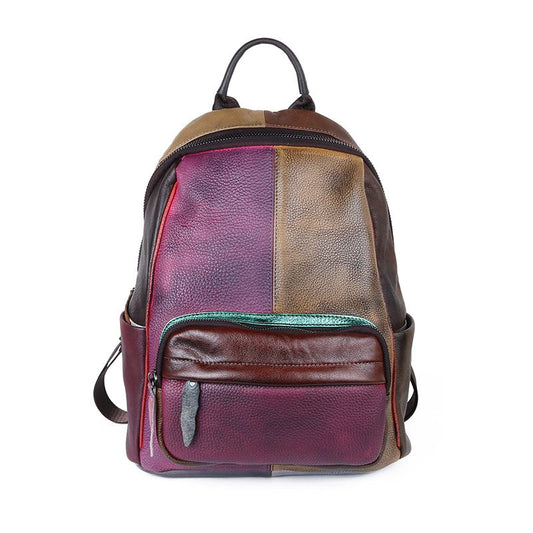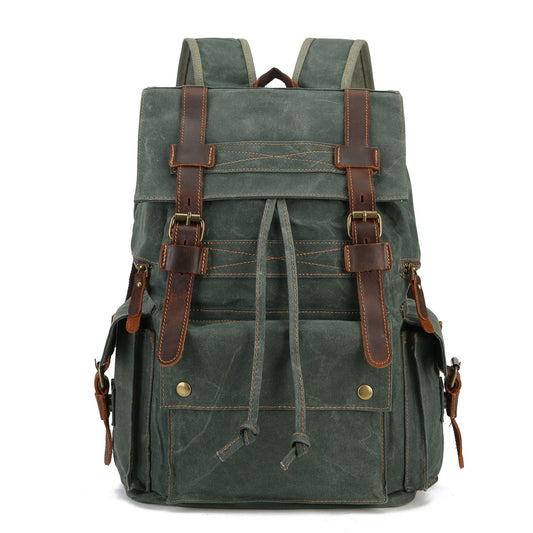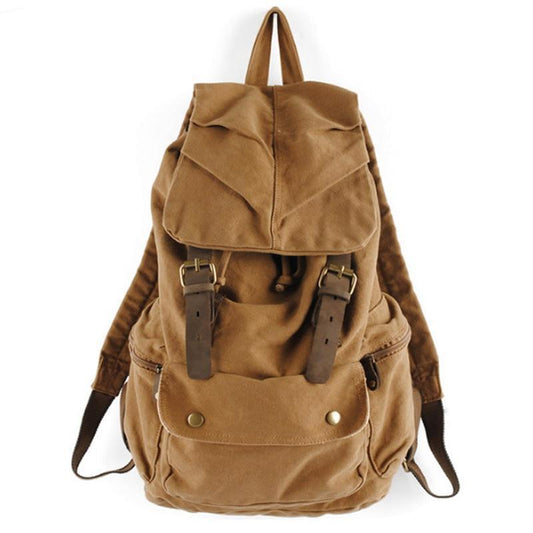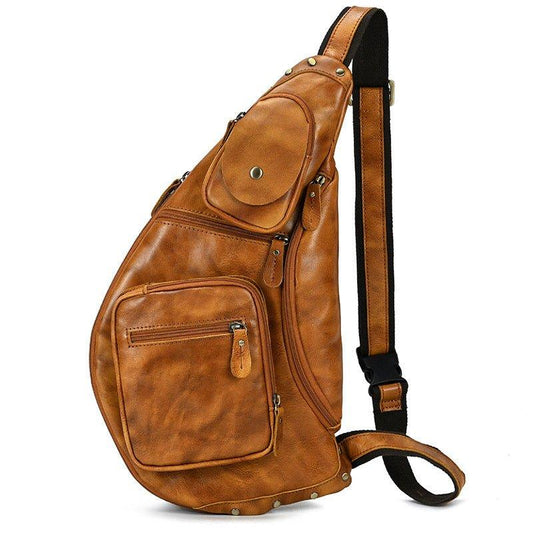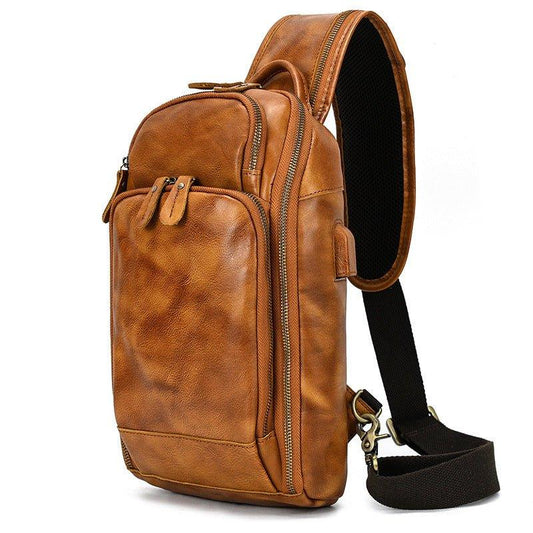


Sacs à dos d'école vs Sacs à dos de voyage : Principales différences (Guide 2026)

À première vue, un sac à dos scolaire et un sac à dos de voyage peuvent sembler interchangeables : tous deux ont des bretelles, tous deux transportent votre équipement, et tous deux sont disponibles dans une gamme de tailles. Mais choisir le mauvais pour la tâche entraîne une réelle frustration : un sac à dos scolaire qui vous fait mal aux épaules après une longue journée de voyage, ou un sac à dos de voyage trop encombrant et complexe pour un simple trajet vers la classe. Comprendre les différences clés entre les sacs à dos scolaires et les sacs à dos de voyage vous aide à acheter intelligemment en 2026, que vous soyez un étudiant retournant sur le campus, un voyageur planifiant votre prochain voyage, ou quelqu'un qui a besoin d'un seul sac pour faire les deux. Ce guide décompose exactement comment ces deux catégories diffèrent et comment choisir le bon.
Sacs à dos scolaires vs sacs à dos de voyage : La différence fondamentale
La différence fondamentale entre un sac à dos scolaire et un sac à dos de voyage réside dans leur objectif. Un sac à dos scolaire est optimisé pour transporter des livres, des cahiers et un ordinateur portable sur de courtes distances répétées – le trajet entre les cours, le trajet en bus, la traversée du campus. Un sac à dos de voyage est conçu pour transporter une plus grande variété d'équipements sur de plus longues distances et durées, souvent comme bagage principal, en mettant l'accent sur la capacité, le confort sous des charges lourdes et la durabilité face aux rigueurs du voyage.
En termes simples : un sac à dos scolaire est un organisateur à usage quotidien, tandis qu'un sac à dos de voyage est une maison mobile pour vos affaires. Les deux sont excellents dans leurs rôles prévus, mais ils sont construits autour de priorités différentes.
Différences de capacité et de taille
Capacité du sac à dos scolaire
Les sacs à dos scolaires varient généralement de 15 à 30 litres. C'est suffisant pour contenir des manuels, un ordinateur portable, une bouteille d'eau, un déjeuner et les essentiels quotidiens, mais pas si grand que le sac semble encombrant dans une salle de classe bondée ou dans un bus scolaire. La taille modérée rend le sac facile à gérer pour un usage quotidien et vous encourage à ne transporter que ce dont vous avez besoin pour la journée.
Capacité du sac à dos de voyage
Les sacs à dos de voyage couvrent une gamme beaucoup plus large, des modèles de cabine de 30 litres aux sacs d'expédition de 70 litres. Un sac à dos de voyage de 40 à 50 litres est le point idéal pour les voyages en cabine, contenant une semaine de vêtements, d'articles de toilette et d'électronique. Les modèles plus grands conviennent aux voyages prolongés et aux voyages d'aventure. La plus grande capacité reflète le rôle du sac à dos de voyage comme bagage principal plutôt que comme article de transport quotidien.
Systèmes de confort et de suspension
C'est là que les deux catégories divergent le plus significativement. Parce que les sacs à dos de voyage transportent des charges plus lourdes sur de plus longues distances, ils incluent des systèmes de suspension sophistiqués dont les sacs à dos scolaires n'ont tout simplement pas besoin.
- Ceinture lombaire : Les sacs à dos de voyage sont dotés d'une ceinture lombaire rembourrée qui transfère 60 à 80 % de la charge de vos épaules à vos hanches — essentiel pour transporter plus de 15 kilogrammes confortablement. Les sacs à dos scolaires incluent rarement une ceinture lombaire fonctionnelle car les charges quotidiennes plus légères n'en nécessitent pas.
- Longueur du torse réglable : De nombreux sacs à dos de voyage vous permettent d'ajuster le harnais à la longueur de votre torse pour un ajustement personnalisé. Les sacs à dos scolaires utilisent un harnais fixe dimensionné pour un usage général.
- Panneau dorsal ventilé : Les sacs à dos de voyage utilisent souvent des mailles suspendues ou de la mousse canalisée pour favoriser la circulation de l'air pendant les longues marches en sueur. Les sacs à dos scolaires utilisent des panneaux rembourrés plus simples.
- Sangles de rappel de charge et de stabilisation : Les sacs de voyage comprennent plusieurs points de réglage pour affiner l'ajustement sous charge. Les sacs à dos scolaires maintiennent le système de sangles minimal.

Accès et style d'ouverture
Accès au sac à dos scolaire
Les sacs à dos scolaires utilisent une ouverture par le haut, de style panneau, avec un compartiment principal et une ou deux poches avant. Cette conception permet un accès rapide aux livres et aux fournitures que vous utilisez tout au long de la journée. L'organisation se concentre sur les articles plats : pochettes pour ordinateur portable, poches pour tablette, porte-stylos et séparateurs de documents.
Accès au sac à dos de voyage
De nombreux sacs à dos de voyage présentent une conception à clapet ou à chargement par panneau qui s'ouvre entièrement comme une valise, vous offrant une visibilité et un accès complets à tout ce qui se trouve à l'intérieur — un énorme avantage lorsque vous vivez avec votre sac pendant des semaines. D'autres utilisent des conceptions à chargement par le haut privilégiées par les randonneurs. Les sacs à dos de voyage comprennent également des compartiments spécialisés : sections séparées pour les chaussures ou le linge, poches antivol cachées et sangles de compression pour serrer la charge.
Durabilité et matériaux
| Caractéristique | Sac à dos scolaire | Sac à dos de voyage |
|---|---|---|
| Capacité typique | 15-30 litres | 30-70 litres |
| Ceinture de hanches | Rare ou décorative | Rembourrée, portante |
| Panneau dorsal | Rembourrage simple | Suspension ventilée |
| Style d'ouverture | Panneau à chargement par le haut | À clapet ou à chargement par le haut |
| Poids du matériau | Tissus plus légers | Tissus robustes |
| Résistance à l'eau | De base | Souvent élevée ou avec housse de pluie |
| Idéal pour | Usage quotidien sur le campus | Voyages de plusieurs jours et longs voyages |
| Compatible bagage cabine | Oui (petit) | Oui (si la taille est appropriée) |
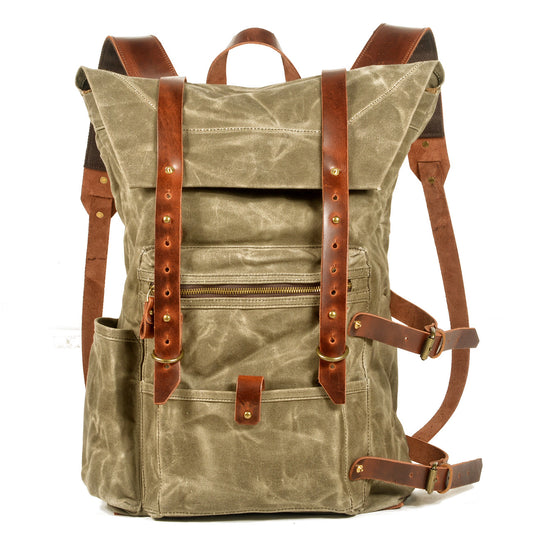
Les sacs à dos de voyage sont fabriqués à partir de matériaux plus lourds et plus résistants à l'abrasion — nylon balistique, toile cirée ou polyester renforcé — car ils subissent les tapis roulants des aéroports, les soutes des bus et les manipulations brutales. Les sacs à dos scolaires utilisent des tissus plus légers qui rendent le sac confortable pour un usage quotidien mais qui pourraient ne pas résister aux rigueurs des voyages fréquents.
Un sac à dos peut-il faire les deux ?
Oui, avec le bon compromis. Un sac à dos de 30 à 35 litres bien conçu avec un compartiment pour ordinateur portable, un système de suspension modéré et des matériaux durables peut servir à la fois de sac d'école et de sac de voyage pour des trajets plus courts. Cette catégorie hybride, parfois appelée « sac à dos de voyage pour navetteurs », fonctionne bien pour les étudiants qui voyagent le week-end ou les nomades numériques qui ont besoin d'un sac pour le travail et pour de courtes escapades.
Les caractéristiques clés à rechercher dans un sac à dos polyvalent sont :
- Un compartiment rembourré pour ordinateur portable pour un usage quotidien et en voyage.
- Une capacité modérée de 30 à 35 litres qui permet de transporter aussi bien des livres que les vêtements d'un week-end.
- Une ceinture lombaire escamotable ou discrète pour des charges occasionnellement plus lourdes.
- Un matériau durable et résistant à l'eau qui résiste aussi bien au campus qu'aux voyages.
- Des dimensions conformes aux bagages à main pour qu'il serve également de bagage en avion.

Comment choisir le bon sac à dos pour vos besoins
Choisissez un sac à dos scolaire si...
- Votre utilisation principale est le trajet quotidien vers l'école, le collège ou le travail.
- Vous transportez des livres, un ordinateur portable et des essentiels quotidiens sur de courtes distances.
- Vous voulez un sac plus léger et plus compact, facile à prendre et à emporter.
- Vous privilégiez un accès rapide aux fournitures tout au long de la journée.
- Vous avez rarement besoin de transporter des charges lourdes pendant de longues périodes.
Choisissez un sac à dos de voyage si...
- Vous faites des voyages de plusieurs jours et avez besoin de votre sac comme bagage principal.
- Vous transportez des charges plus lourdes et avez besoin d'une ceinture de hanches de soutien.
- Vous voulez un accès complet à vos affaires emballées, comme une valise.
- Vous appréciez la durabilité et la résistance aux intempéries pour une manipulation rude.
- Vous voyagez sur des terrains variés – aéroports, trains, sentiers et rues de la ville.
Considérations régionales pour les étudiants et les voyageurs
Europe
Les étudiants européens se déplacent souvent à vélo ou à pied pour se rendre en classe, privilégiant les sacs à dos scolaires compacts et résistants aux intempéries. Pour les voyages, les villes européennes, riches en trains et en escaliers, récompensent un sac à dos de voyage à main que vous pouvez transporter sur votre dos dans les gares et monter les escaliers des auberges. Les compagnies aériennes à bas prix appliquent des limites de cabine strictes, donc un sac de voyage de 40 litres qui se comprime pour s'adapter est idéal.
Asie
Dans les villes denses d'Asie, un sac à dos scolaire mince permet de naviguer dans les métros et les campus bondés sans heurter les autres. Les voyageurs explorant l'Asie du Sud-Est bénéficient d'un sac à dos de voyage respirant et résistant à l'eau qui gère l'humidité et les averses soudaines, avec des fonctionnalités antivol pour les marchés animés et les centres de transit.
Les Amériques
Les grands campus nord-américains impliquent de longues marches entre les bâtiments, donc un sac à dos scolaire confortable et bien rembourré est important. Pour les voyages à travers les Amériques – des road trips aux États-Unis aux voyages en sac à dos en Amérique du Sud – un sac à dos de voyage robuste de 45 à 60 litres avec un système de suspension solide gère à la fois les vols et les trajets du sentier à l'auberge.
Questions fréquemment posées
Quelle est la principale différence entre un sac à dos scolaire et un sac à dos de voyage ?
La principale différence réside dans l'objectif et la conception. Les sacs à dos scolaires sont optimisés pour transporter des livres et un ordinateur portable sur de courtes distances quotidiennes, avec une capacité modérée de 15 à 30 litres et des sangles simples. Les sacs à dos de voyage sont conçus pour transporter un équipement plus lourd et varié sur de longues distances en tant que bagage principal, avec des capacités de 30 à 70 litres, une ceinture de hanches portante, un système de suspension ventilé et un accès de type valise.
Puis-je utiliser un sac à dos de voyage pour l'école ?
C'est possible, mais un grand sac à dos de voyage peut sembler encombrant et excessif pour une utilisation quotidienne sur le campus. Un sac à dos de voyage plus petit, de 30 à 35 litres, avec un compartiment pour ordinateur portable, fonctionne bien comme sac polyvalent. Si vous voyagez rarement, un sac à dos scolaire dédié sera plus léger et plus pratique pour un usage quotidien.
Puis-je utiliser un sac à dos scolaire pour voyager ?
Pour de courts voyages d'un à deux jours, un sac à dos scolaire plus grand (25-30 litres) peut servir de bagage léger. Pour des voyages plus longs, un sac à dos scolaire manque généralement de capacité, de ceinture de hanches et de système de suspension nécessaires pour transporter des charges plus lourdes confortablement. Il pourrait également ne pas offrir la durabilité ou la résistance aux intempéries exigées par les voyages.
Quelle taille de sac à dos est la meilleure pour les voyages en cabine ?
Un sac à dos de voyage de 40 à 45 litres est idéal pour les voyages en cabine, contenant environ une semaine d'équipement tout en respectant la plupart des limites de cabine des compagnies aériennes. Vérifiez toujours les exigences de dimension de votre compagnie aérienne spécifique, en particulier sur les compagnies à bas prix avec des tolérances plus strictes. Une conception compressible aide un sac plus plein à respecter les limites de taille.
Une ceinture de hanches est-elle importante sur un sac à dos ?
Une ceinture de hanches est très importante pour les sacs à dos de voyage transportant des charges plus lourdes, car elle transfère 60 à 80 % du poids de vos épaules à vos hanches, améliorant considérablement le confort. Pour les sacs à dos scolaires transportant des charges quotidiennes plus légères, une ceinture de hanches est facultative et souvent inutile. Si vous prévoyez de porter des charges lourdes pendant de longues périodes, privilégiez une ceinture de hanches rembourrée et porteuse.

Réflexions finales
Le choix entre un sac à dos scolaire et un sac à dos de voyage se résume à adapter le sac à la tâche. Si vos journées tournent autour du campus et des courts trajets, un sac à dos scolaire léger et bien organisé vous gardera confortable et efficace. Si vous parcourez de longues distances avec des charges plus lourdes, la suspension de soutien, la capacité généreuse et la construction robuste d'un sac à dos de voyage vous seront bien plus utiles. Et si vous avez besoin d'un seul sac pour les deux mondes, un sac à dos hybride de taille moyenne avec un compartiment pour ordinateur portable et une suspension modérée offre un compromis intelligent. Comprendre ces différences clés vous assure d'investir dans un sac à dos qui correspond réellement à votre vie.
Ergonomie et Santé : Protéger Votre Dos
L'ergonomie du sac à dos est plus importante que la plupart des gens ne le réalisent, en particulier pour les étudiants et les voyageurs qui portent leurs sacs pendant des heures. Porter trop de poids ou porter un sac de manière incorrecte entraîne à la longue des douleurs aux épaules, au cou et au dos.
Conseils sur le poids
Les experts en santé recommandent généralement qu'un sac à dos chargé ne pèse pas plus de 10 à 15 % du poids corporel de l'utilisateur. Pour un étudiant, cela signifie résister à la tentation de transporter tous les manuels en même temps. Pour un voyageur, cela signifie faire ses valises délibérément et choisir un sac dont le poids à vide ne pèse pas trop lourd sur ce budget. Un sac à dos de voyage lourd avec une ceinture de hanches est bien plus doux pour votre dos qu'un sac à dos scolaire surchargé sans ceinture.
Porter correctement votre sac à dos
- Utilisez les deux bretelles : Porter un sac à dos sur une seule épaule concentre le poids et provoque un déséquilibre musculaire. Ajustez les sangles fermement : Le sac doit être près de votre dos, le bas reposant près de votre bas du dos plutôt que de pendre sous vos hanches.
- Attachez la ceinture de hanches sur les sacs de voyage : Laissez vos hanches porter la charge, pas vos épaules.
- Placez les articles lourds près de votre dos : Cela maintient votre centre de gravité stable et réduit la tension.

Fonctionnalités spéciales à considérer
Pour les étudiants
- Compartiments rembourrés pour ordinateur portable et tablette pour protéger les appareils électroniques lors des trajets quotidiens.
- Panneaux d'organisation pour stylos, calculatrices, câbles et petites fournitures.
- Une poignée confortable pour ranger le sac dans les casiers et sous les bureaux.
- Accents réfléchissants pour une meilleure visibilité lors des promenades matinales ou nocturnes et des trajets à vélo.
Pour les voyageurs
- Fermetures éclair verrouillables et poches cachées pour dissuader le vol dans les centres de transit très fréquentés.
- Une housse de pluie escamotable pour les averses soudaines.
- Sangles de compression pour stabiliser les charges partielles et respecter les limites de taille des bagages à main.
- Un panneau de passage qui masque le harnais pour l'enregistrement ou transforme le sac pour un transport plus propre.
Prendre soin de votre sac à dos
Quel que soit le type que vous choisissez, un entretien approprié prolonge considérablement sa durée de vie :
- Videz et nettoyez régulièrement les taches : les miettes, les boissons renversées et la poussière accélèrent l'usure et attirent les odeurs.
- Suivez les instructions de nettoyage spécifiques au matériau : la toile peut être lavée à la main et séchée à l'air libre ; le cuir a besoin d'un après-shampoing dédié ; les tissus synthétiques se nettoient à l'aide d'un savon doux.
- Séchez à l'air libre uniquement : ne séchez jamais un sac à dos en machine, car la chaleur endommage les revêtements, les adhésifs et les garnitures en cuir.
- Entretenez les fermetures éclair et le matériel : gardez les fermetures éclair propres et lubrifiées ; inspectez les boucles et les sangles avant de longs voyages et remplacez les pièces usées.
- Rangez correctement : gardez le sac dans un endroit frais et sec, légèrement rembourré pour qu'il conserve sa forme, à l'abri de la lumière directe du soleil.
Valeur et longévité : Quel est le meilleur investissement ?
Un sac à dos scolaire de qualité coûte généralement moins cher qu'un sac à dos de voyage complet car il utilise des matériaux plus légers et un système de suspension plus simple. Cependant, si vous voyagez même quelques fois par an, investir dans un sac à dos de voyage durable — ou un modèle hybride intelligent — offre souvent une meilleure valeur à long terme car il remplit plus de rôles et résiste à une utilisation plus rude. Considérez la façon dont vous utiliserez réellement le sac au cours des prochaines années, puis investissez dans la durabilité et les fonctionnalités qui correspondent à cette réalité plutôt que d'acheter l'option la moins chère et de la remplacer à plusieurs reprises.
Sacs à dos pour différentes étapes de la vie
Le bon sac à dos change souvent à mesure que vos besoins évoluent. Adapter le sac à votre étape actuelle vous permet de rester confortable et organisé.
- Lycéens et étudiants : Un sac à dos scolaire durable de 20 à 30 litres avec un compartiment rembourré pour ordinateur portable et une bonne organisation est le plus adapté à la vie quotidienne sur le campus.
- Professionnels qui font la navette : Un sac à dos hybride élégant de 20 à 25 litres avec un design épuré passe facilement du bureau aux escapades occasionnelles du week-end.
- Voyageurs fréquents et nomades numériques : Un sac à dos de voyage de 40 à 50 litres avec un système de suspension de soutien et un accès de type valise sert de bagage principal fiable.
- Aventuriers en plein air : Un sac à dos de voyage ou de randonnée de 50 à 70 litres avec une ceinture lombaire porteuse et un panneau dorsal ventilé gère l'équipement lourd sur de longues distances.
Acheter le sac qui correspond à votre étape actuelle — plutôt que l'option la plus flashy ou la plus grande — vous assure de ne transporter que ce dont vous avez besoin, confortablement et efficacement, où que vos journées vous mènent.
Durabilité lors du choix d'un sac à dos
Un sac à dos est un article que vous utilisez quotidiennement pendant des années, donc choisir de manière durable fait une réelle différence. Le choix le plus écologique est généralement un sac durable et réparable que vous gardez longtemps plutôt qu'un sac bon marché que vous remplacez souvent. Recherchez des matériaux naturels comme la toile et le cuir pleine fleur, qui peuvent être nettoyés, conditionnés et réparés, ou des tissus synthétiques recyclés qui réduisent la dépendance aux plastiques vierges. Les marques qui offrent des services de réparation, des accessoires remplaçables et des garanties aident à prolonger la durée de vie d'un sac et à le maintenir hors des décharges. Que ce soit pour l'école ou les voyages, investir dans un sac à dos bien fait qui dure une décennie est plus respectueux de votre budget et de l'environnement que de passer par plusieurs sacs jetables.
Parcourez notre collection de sacs à dos de randonnée pour des sacs prêts pour le voyage avec des systèmes de suspension de soutien, ou explorez nos sacs à dos en toile et en cuir pour des options durables et élégantes qui conviennent aussi bien sur le campus qu'en voyage. Pour un transport quotidien de qualité supérieure, nos sacs à dos en cuir véritable combinent un style intemporel avec une durabilité durable.