
Comment choisir un sac tactique pour les aventures en plein air : matériaux, systèmes MOLLE et de portage pour 2026

Un bon sac tactique est le fidèle serviteur du monde extérieur. Que vous partiez en pleine nature dans le Nord-Ouest Pacifique, traversiez une vallée écossaise pluvieuse ou parcouriez les montagnes du nord du Vietnam à moto, le bon sac garde votre équipement organisé, protégé et à portée de main. Ce guide 2026 explique exactement comment choisir un sac tactique pour les aventures en plein air – en se concentrant sur les matériaux, le système modulaire MOLLE et le matériel de portage qui distinguent un sac digne de confiance d'un sac qui vous lâche au douzième kilomètre.
La catégorie a mûri rapidement. Il y a cinq ans, un « sac tactique » signifiait soit un surplus militaire, soit un sac de tir carré. Aujourd'hui, cela signifie des sacs conçus avec soin, inspirés des tactiques militaires mais raffinés pour les civils qui font de la randonnée, de l'overlanding, des trajets quotidiens et des voyages. Le résultat est un équipement plus robuste que tout ce que l'on trouve dans un grand magasin et bien plus adaptable qu'un sac de randonnée à usage unique.
Pourquoi un sac tactique a sa place dans votre équipement d'extérieur
La plupart des sacs à dos quotidiens sont conçus pour les trajets urbains : une pochette pour ordinateur portable, une coque souple et une fermeture éclair qui convient jusqu'à ce qu'elle rencontre de vraies intempéries. Un sac tactique est conçu pour l'abus. Les coutures sont doublées, le tissu est plus épais, les fermetures éclair sont conçues pour des milliers de cycles, et les points d'attache vous permettent de fixer des pochettes exactement là où vous en avez besoin. Pour les randonneurs, les overlanders, les chasseurs et les voyageurs qui refusent de ménager leur équipement, cette résilience vaut chaque gramme.
L'attrait réside aussi dans sa modularité. Au lieu d'acheter un nouveau sac pour chaque voyage, vous achetez un châssis solide et personnalisez l'extérieur avec des pochettes, des étuis et des sangles. C'est le cœur de la philosophie tactique : une plateforme, des configurations infinies. Un sac qui transporte vos outils de randonnée le samedi peut transporter votre appareil photo et votre passeport le mercredi.
Connaître les principaux types de sacs tactiques
Avant d'acheter, décidez quelle silhouette correspond à vos voyages. Les quatre formes les plus utiles pour l'extérieur sont :
Sacs d'assaut et 3 jours
Ces sacs de 20 à 45 litres sont l'épine dorsale du portage tactique. Ils se portent haut sur le dos, épousent la colonne vertébrale et s'ouvrent entièrement comme une coquille de palourde pour que vous puissiez tout voir d'un coup. Ils sont idéaux pour les randonnées du week-end, les journées au stand de tir et comme sac d'évacuation, car la large ouverture vous évite de fouiller à l'aveugle au fond du sac.
Sacs de voyage tactiques
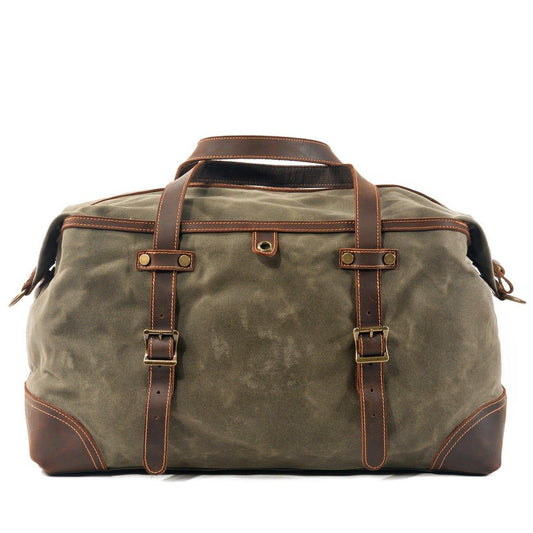
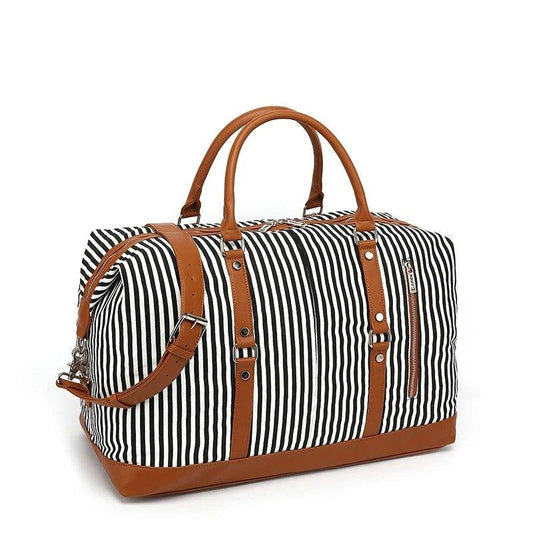
Hybride entre un sac de voyage et un sac à dos, le sac de voyage tactique ajoute des bretelles de sac à dos pour que vous puissiez le porter de deux manières. Idéal pour les voyages avec beaucoup d'équipement où vous devez également le transporter dans un aéroport ou un camping, et il ressemble plus à un sac de week-end qu'à un bagage.
Sacs bandoulière et sacs de poitrine
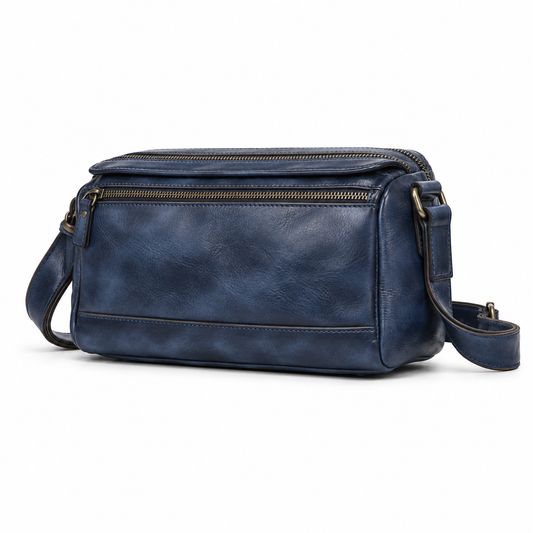
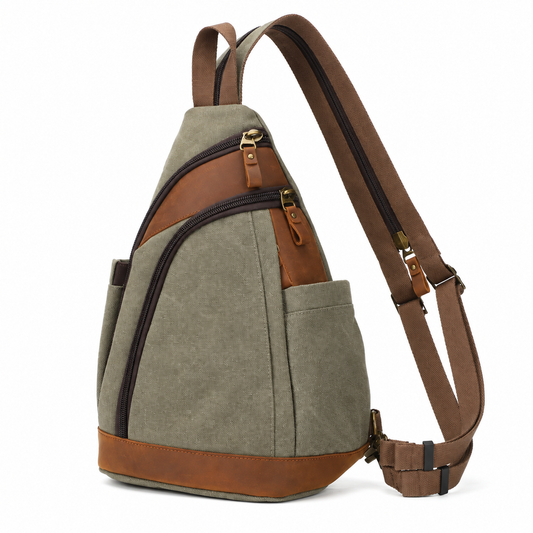
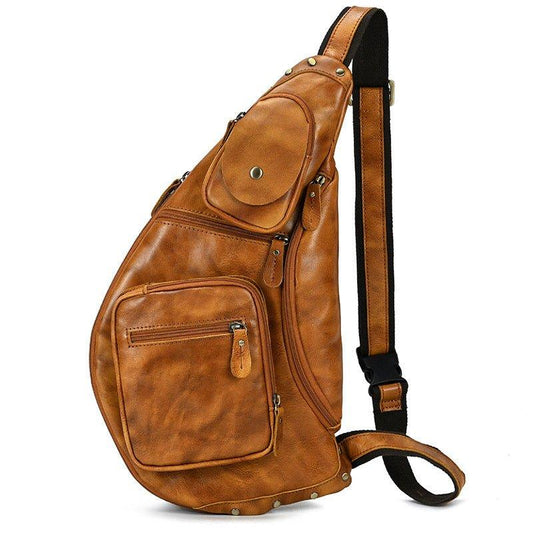
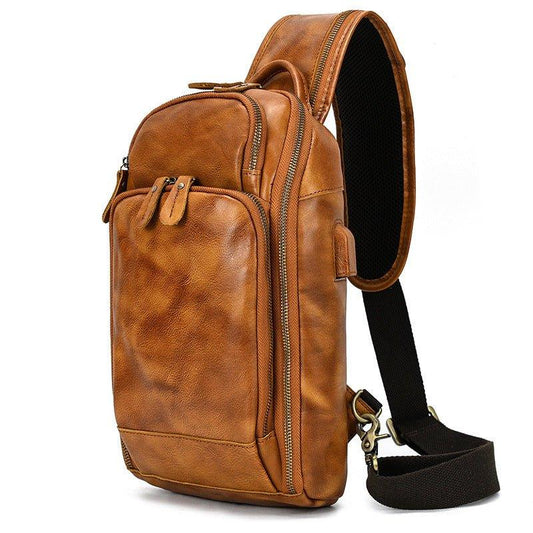
Les sacs bandoulière à une seule sangle se balancent vers l'avant pour un accès rapide. Ils sont parfaits pour les appareils photo, les radios, les trousses de premiers secours ou le transport quotidien lorsqu'un sac complet est excessif, et ils restent à l'écart lorsque vous avez besoin des deux mains libres sur un sentier ou à vélo.
Sacs de tir et utilitaires
Sacs larges et bas, conçus pour transporter du matériel encombrant avec des fonds renforcés. Moins courants pour la randonnée, mais imbattables pour le transport de matériel et le rangement organisé au camp de base ou dans le camion.
L'importance des matériaux : Cordura 500D vs 1000D et au-delà
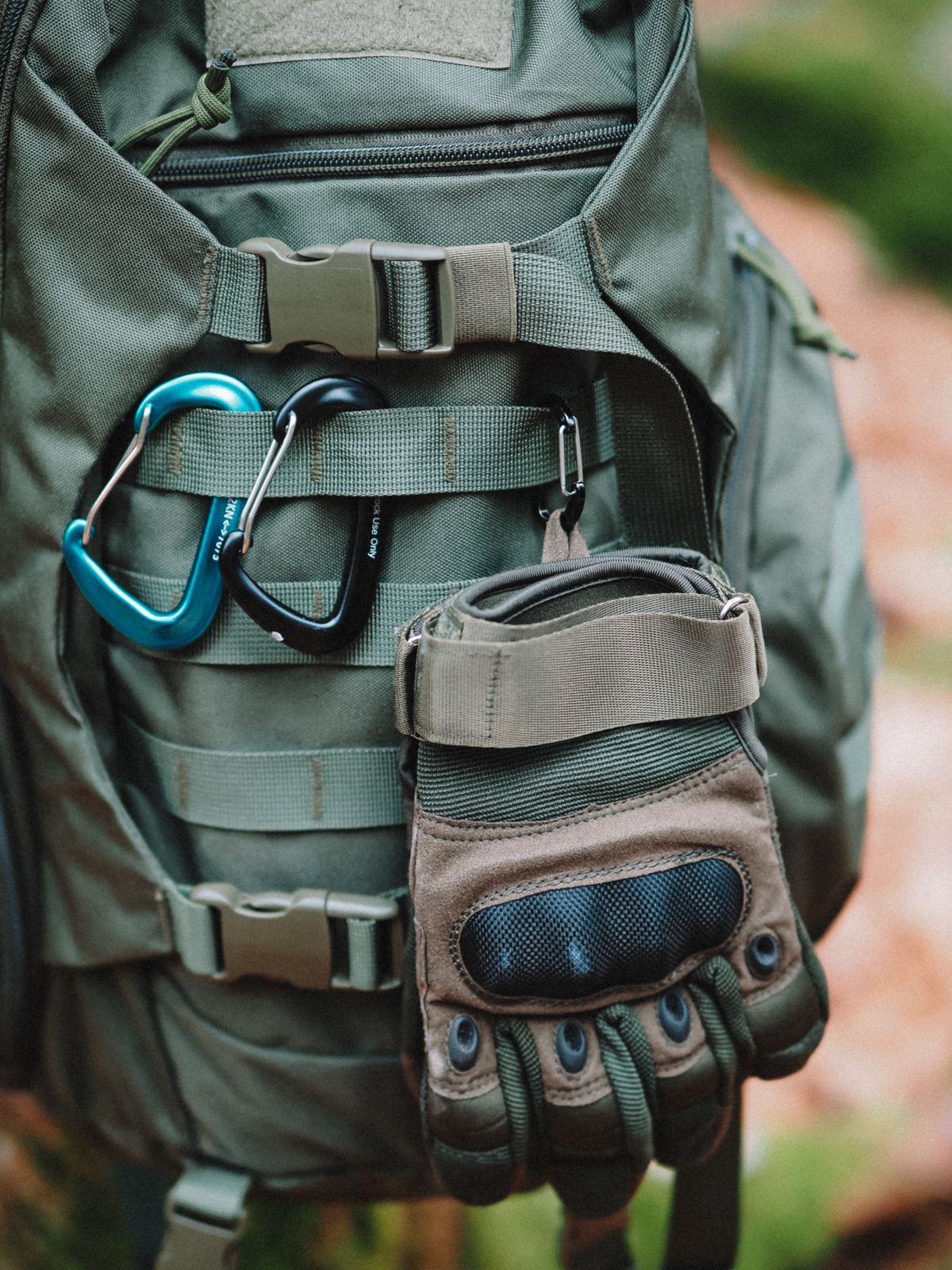
Le tissu est la première décision, et c'est là que la plupart des acheteurs se perdent. Voici la ventilation pratique :
| Matériau | Poids | Durabilité | Meilleure utilisation |
|---|---|---|---|
| Cordura 500D | Léger | Très bon | Randonnée ultralégère, voyage en climat chaud, longues randonnées |
| Cordura 1000D | Lourd | Excellent | Broussailles, roche, moto, terrains difficiles |
| Polyester ripstop | Léger | Bon | Sacs économiques, utilisation occasionnelle |
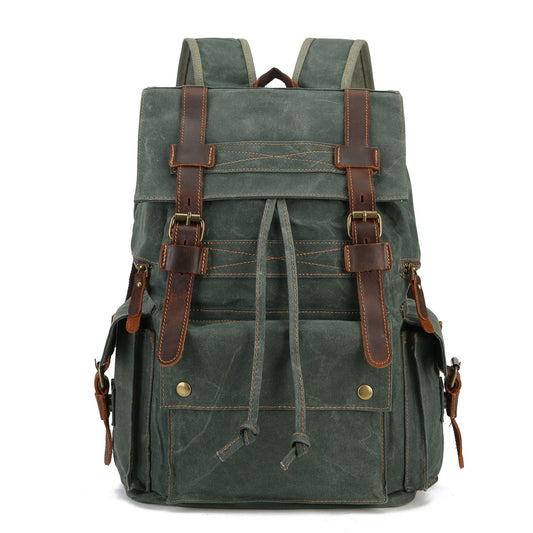
| Toile cirée | Lourd | Excellent (vieillit bien) | Voyage stylé, voyages à faible abrasion |
| Nylon balistique | Moyen | Très bon | Tactique urbain, EDC |
Pour la plupart des aventuriers en plein air, le Cordura 500D est le juste milieu : assez robuste pour les branches et le gravier, assez léger pour que vous remarquiez le poids économisé au déjeuner. Choisissez le 1000D uniquement si vous prévoyez un frottement constant contre la roche ou les réservoirs de moto. De nombreux sacs haut de gamme utilisent le 500D sur le corps et le 1000D sur la base et les ancrages de sangle où l'usure se concentre. Quel que soit votre choix, recherchez un revêtement en uréthane ou en PU sur le tissu – il ajoute de la résistance à la déchirure et aide à évacuer la pluie.
Le système de sangles MOLLE expliqué
MOLLE (Modular Lightweight Load-carrying Equipment) est le quadrillage de sangles en nylon renforcées cousues sur le sac. Les pochettes s'y fixent avec des sangles tissées, de sorte que les accessoires restent en place même lorsque le sac est laissé tomber ou tiré. Un bon quadrillage MOLLE vous permet de :
- Ajouter une trousse médicale à la bretelle pour un accès rapide.
- Fixer un porte-bouteille sur le côté plutôt qu'à l'intérieur.
- Accrocher une trousse à outils au rabat pour les réparations sur sentier.
- Réorganiser votre charge pour différents voyages sans acheter un nouveau sac.
Les sangles d'imitation bon marché sont molles et les coutures lâchent. Le vrai MOLLE utilise des rangées cousues en carré et renforcées par des points d'arrêt qui survivent à des années de traction. Passez votre doigt dessus — si les rangées semblent lâches, passez votre chemin. Le MOLLE découpé au laser (parfois appelé PALS ou sangle fendue) est l'amélioration moderne : plus léger, plus discret, et il ne s'accrochera pas aux branches comme les boucles traditionnelles.
Fermetures éclair, boucles et quincaillerie : les petites pièces qui décident de la longévité
Un sac n'est aussi solide que sa fermeture éclair la plus faible. Recherchez :
- Des fermetures éclair YKK ou SBS avec des dents à spirale inversée qui résistent aux accrocs et repoussent la boue.
- Des tirettes bidirectionnelles sur le compartiment principal pour pouvoir l'ouvrir des deux côtés.
- Des boucles UTX ou Duraflex qui se clipsent fermement et survivent aux températures glaciales sans se fissurer.
- Des points de tension renforcés à chaque base de sangle – c'est là que les sacs bon marché cèdent en premier.
Prenez une minute pour tirer les tirettes des fermetures éclair et serrer les boucles en magasin. Le matériel qui semble creux sera la première chose à casser lors d'un vrai voyage. Vérifiez également les « garages » de fermeture éclair – de petits rabats en tissu qui protègent les dents de la fermeture éclair de la pluie lorsqu'elle est fermée – car une fermeture éclair principale trempée est le moyen le plus rapide de mouiller votre sac de couchage.
Capacité de charge et support du cadre
Adaptez les litres à la durée du voyage, mais n'oubliez pas qu'un sac tactique doit porter le poids près de votre colonne vertébrale :
| Voyage | Litres recommandés | Notes sur le cadre |
|---|---|---|
| Randonnée journalière / EDC | 15–25 L | Cadre souple, panneau dorsal rembourré |
| Week-end (2–3 jours) | 30–45 L | Renforts internes ou feuille rigidifiée |
| Prolongé (4–7 jours) | 50–70 L | Feuille de cadre en aluminium ou HDPE |
Un panneau dorsal rigidifié et une sangle de rappel de charge (la petite sangle reliant le haut de la bretelle au sac) transfèrent le poids sur vos hanches. Sans cela, un sac tactique lourd se balance et épuise vos épaules dès la première crête. Pour des charges supérieures à 15 kg, exigez une ceinture de hanche rembourrée qui transfère réellement le poids – de nombreux sacs tactiques l'omettent, et c'est la plus grande différence de confort lors des longues journées.
Systèmes d'organisation : pochettes, diviseurs et panneaux administratifs
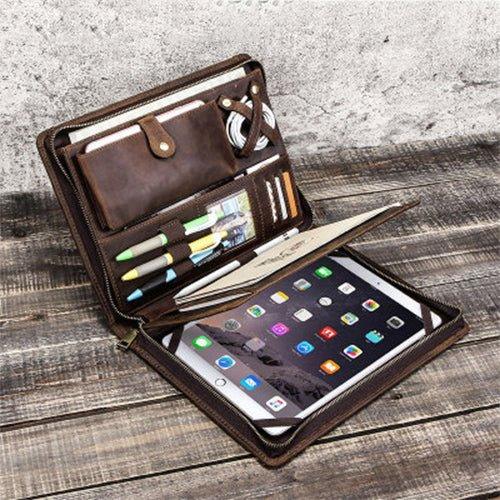
Les sacs tactiques excellent en matière d'organisation. Recherchez un panneau administratif dédié en haut avec des boucles élastiques pour les stylos, les outils multifonctions et les câbles ; une poche doublée de polaire pour les lunettes ou un téléphone ; et une housse d'hydratation qui peut servir de compartiment pour ordinateur portable ou radio. Les meilleurs designs séparent l'équipement "souvent utilisé" de l'équipement "à fouiller une seule fois" afin que vous n'ayez pas à déballer tout le sac pour trouver une collation. Une paroi intérieure doublée de boucles (souvent appelée "côté doux" ou panneau en velours) vous permet d'ajouter des pochettes à dos auto-agrippant qui se repositionnent en fonction de l'évolution de votre équipement entre les voyages.
Résistance à l'eau et aux intempéries
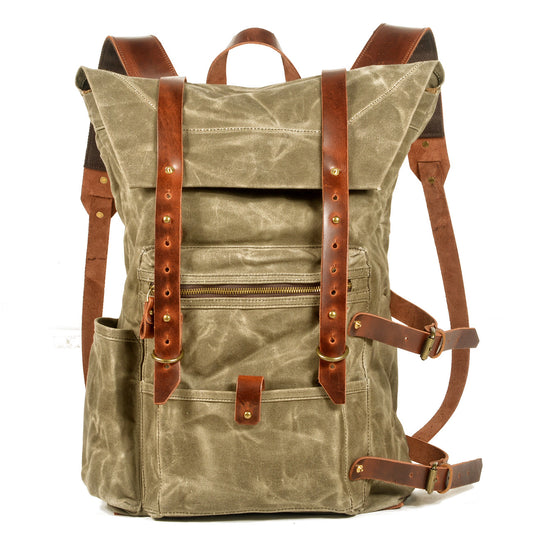
Le Cordura est hydrofuge mais pas imperméable. Pour une vraie pluie, vous avez besoin d'une fermeture à enroulement, d'une housse de pluie ou de coutures étanches. Si vous faites du canoë, de la moto ou de la randonnée en Asie pendant la mousson, privilégiez les sacs en toile cirée imperméables ou un sac avec un compartiment sec intégré. Un œillet de drainage au fond est un petit détail qui vous évite l'accumulation d'eau après avoir traversé une rivière. Pensez également à un sac avec un compartiment à chaussures séparé et scellé pour l'équipement mouillé ou boueux afin que le reste de votre chargement reste sec et propre.
Cas d'utilisation des sacs tactiques par activité
Le même châssis sert des missions très différentes une fois que vous changez les pochettes :
Randonnée et trekking
Chargez le compartiment principal avec un sac de couchage roulé, attachez des bâtons de trekking sur le côté et gardez une pochette de premiers secours et une lampe frontale sur le harnais. Un sac d'assaut de 30 à 40 litres couvre la plupart des sentiers de week-end.
Tourisme à moto
Choisissez le 1000D pour le réservoir et l'arrière, ajoutez une sacoche de réservoir et fixez le tout avec les sangles de compression. La résistance à l'abrasion est plus importante que le poids lorsque le sac rencontre l'asphalte.
Chasse et stand de tir
Des fermetures éclair silencieuses, un tissu de couleur terre et une housse dédiée pour fusil ou arc transforment un sac standard en un porte-équipement prêt pour le terrain. Les traitements de tissu insonorisant valent la peine d'être recherchés.
Sac d'évacuation et d'urgence
Préparez un kit de 72 heures – eau, filtre, nourriture, lampe et trousse médicale – afin que le sac soit prêt à l'emploi. Faites pivoter les articles périssables tous les six mois.
Voyage urbain
Une bandoulière discrète ou un sac de 25 L transportent passeport, batterie externe et veste tout en se fondant bien mieux dans la foule d'une ville qu'un sac de touriste de marque.
Comment ajuster le harnais et régler vos sangles
Même le meilleur sac ne fonctionne pas s'il est mal ajusté. Desserrer tout, mettre le sac chargé, puis serrer dans cet ordre : d'abord la ceinture abdominale (elle doit reposer sur les os des hanches, pas la taille), puis les bretelles, puis les rappels de charge jusqu'à ce que le haut du sac tire légèrement vers votre dos. Les bretelles ne devraient pas supporter le gros du poids – ce sont vos hanches qui le devraient. Terminez avec la sangle de poitrine pour empêcher les épaules de glisser. Un sac tactique correctement ajusté disparaît après le premier kilomètre.
Couleur, dissimulation et visibilité
La couleur est une décision discrète aux conséquences réelles. Les tons terre — coyote, vert ranger, gris loup — se fondent dans les bois comme dans les environnements urbains et évitent de vous étiqueter comme un touriste. Les couleurs vives aident les équipes de recherche et de sauvetage à vous trouver mais attirent l'attention sur un marché bondé. Les accents réfléchissants sont utiles pour la route ou le cyclisme de nuit ; le haute visibilité est excessif pour la plupart des aventuriers. Adaptez la teinte à l'endroit où vous allez réellement, et non à la photo du catalogue.
Réalités régionales de l'outdoor : Europe, Asie et Amériques
Votre lieu d'aventure modifie vos besoins :
- Europe—Les sentiers denses, les fréquents changements météorologiques et les voyages en train entre les randonnées favorisent des sacs compacts de 30 à 40 L avec un système MOLLE discret qui ne s'accrochera pas dans les wagons bondés.
- Asie—L'humidité, les moussons et les marchés bondés exigent un tissu à séchage rapide et des tirettes de fermeture éclair antivol. Une bandoulière garde les objets de valeur à l'avant à Bangkok ou Hanoï.
- Amériques—Le vaste arrière-pays de Patagonie ou des Rocheuses nécessite des cadres de 50 L+ et des sacs compatibles avec les contenants anti-ours. Les voyages dans le Sud-Ouest désertique exigent des fermetures éclair anti-poussière.
Sac tactique vs sac à dos de randonnée : une comparaison rapide
| Facteur | Sac tactique | Sac à dos de randonnée |
|---|---|---|
| Modularité | Élevée (MOLLE) | Faible (poches fixes) |
| Cadre | Interne ou aucun | Souvent externe/avancé |
| Durabilité | Très élevée | Moyenne–élevée |
| Ventilation | Basique | Maille tendue avancée |
| Style | Prêt pour la ville, utilitaire | Spécifique aux sentiers |
Choisissez le tactique lorsque vous privilégiez la robustesse et la personnalisation plutôt qu'une ventilation dorsale maximale. Pour les parcours alpins de plusieurs jours, un sac de randonnée dédié respire toujours mieux.
Comment préparer un sac tactique pour une aventure de week-end
Empilez de l'arrière vers l'avant : les articles lourds (eau, nourriture, réchaud) contre la colonne vertébrale ; les articles souples (couche de couchage) contre le tissu ; les articles fréquemment utilisés (carte, collations, premiers secours) dans le panneau administratif supérieur ou une pochette MOLLE avant. Gardez un sac de compression de couleur vive pour l'équipement d'urgence afin de le retrouver dans l'obscurité. Utilisez les sangles de compression pour serrer la charge – un sac bancal et à moitié vide vous fatigue plus qu'un sac plein.
Erreurs d'achat courantes
- Acheter du 1000D « parce que plus robuste c'est mieux » et se retrouver avec un sac qui pèse autant vide que votre équipement.
- Ignorer la ceinture de hanche — un sac tactique sans ceinture de portage est un tueur d'épaules.
- Trop de MOLLE : attacher toutes les pochettes jusqu'à ce que le sac soit plus large que vous.
- Faire confiance à une affirmation « imperméable » sans vérifier les coutures ou une housse de pluie.
- Choisir un sac dimensionné pour un voyage et ignorer les voyages plus longs que vous ferez réellement.
Budget vs Premium : ce que vous obtenez à chaque niveau
En dessous de 80 USD, vous obtenez du polyester solide avec un MOLLE basique – suffisant pour une utilisation occasionnelle. Entre 120 et 220 USD, vous achetez du Cordura 500D/1000D authentique, des fermetures éclair YKK et un vrai cadre – le juste milieu pour les aventuriers sérieux. Au-dessus de 250 USD, vous payez pour des garanties à vie, un MOLLE découpé au laser et des harnais raffinés. Pour la plupart des gens, le milieu de gamme est l'achat rationnel, et un sac bien choisi de milieu de gamme durera plus longtemps que deux sacs bon marché.
Entretien et maintenance
Brossez la boue avant qu'elle ne sèche, lavez à la main avec un savon doux et séchez à l'air libre, loin de la chaleur directe. Resserrer les sangles MOLLE lâches, lubrifier les fermetures éclair avec un crayon de cire et ranger le sac à moitié plein dans un endroit frais et sec. Un sac en Cordura bien entretenu durera plus longtemps que trois remplacements moins chers, et la patine qu'il acquiert raconte l'histoire de ses aventures.
Questions fréquemment posées
Un sac tactique est-il bon pour la randonnée ?
Oui, pour le week-end et le transport modulaire. Pour les treks alpins d'une semaine, un sac de randonnée ventilé respire mieux, mais un sac tactique de 30 à 45 L gère la plupart des sentiers avec une marge de manœuvre.
Que permet concrètement d'attacher le système MOLLE ?
Tout ce qui a des sangles compatibles : trousses médicales, porte-bouteilles, trousses à outils, pochettes radio et pochettes de délestage. Il transforme un sac en un système.
Cordura 500D ou 1000D pour les voyages ?
500D pour les voyages et la randonnée ; 1000D seulement si vous prévoyez une forte abrasion due à la roche ou à l'utilisation à moto.
Les sacs tactiques sont-ils imperméables ?
Généralement hydrofuges, pas imperméables. Ajoutez une housse de pluie ou choisissez un compartiment sec scellé pour une véritable protection contre les intempéries.
Puis-je emporter un sac tactique comme bagage cabine en avion ?
De nombreux sacs tactiques de 30 à 40 litres respectent les limites régionales des bagages cabine, mais vérifiez le calibreur – les pochettes MOLLE externes peuvent vous faire dépasser la limite de profondeur sur les compagnies aériennes asiatiques strictes.
Conclusion
Choisir le bon sac tactique repose sur trois points : choisissez le poids du tissu en fonction de votre terrain, apprenez à utiliser le système MOLLE, et ne négligez jamais la ceinture abdominale et les rappels de charge. En faisant cela, vous obtiendrez une plateforme qui s'adaptera à chaque voyage pendant des années. Explorez notre collection de sacs tactiques et associez-le à un sac en toile cirée pour des missions discrètes d'une journée – votre prochaine aventure mérite un équipement qui ne vous lâchera pas avant vous.