
Sac fourre-tout en toile ou sac à dos pour voyager : lequel choisir en 2026 ?

Choisir entre un sac fourre-tout en toile et un sac à dos pour voyager est l'une de ces petites décisions qui façonnent discrètement l'ensemble de votre voyage. Le sac que vous portez détermine la rapidité avec laquelle vous vous déplacez dans les aéroports, la sensation de vos épaules après une journée de visites à Rome ou à Kyoto, et la facilité avec laquelle vous pouvez attraper votre passeport lorsque la file commence soudainement à bouger. Dans ce guide détaillé, nous comparons les sacs fourre-tout en toile et les sacs à dos de voyage en termes de confort, de capacité, de sécurité, de style et de durabilité, afin que vous puissiez décider quel type de bagage convient le mieux à vos aventures de 2026 — ou si la réponse la plus intelligente est d'emporter les deux.
Sac fourre-tout en toile ou sac à dos pour voyager : la réponse courte
Si vous voulez le verdict rapide avant que nous n'entrions dans les détails, le voici. Un sac fourre-tout en toile l'emporte pour les journées en ville, l'accès rapide et le style sans effort. Un sac à dos l'emporte pour les longues journées de marche, les charges plus lourdes et la mobilité mains libres. La plupart des voyageurs expérimentés optent finalement pour un système : un sac à dos structuré comme bagage à main principal, plus un sac fourre-tout en toile pliable comme article personnel, sac de jour, sac de plage et sac de marché tout en un.
- Choisissez un sac fourre-tout si : vous voyagez léger, aimez la facilité d'accès, passez la majeure partie de votre temps en ville et privilégiez le style.
- Choisissez un sac à dos si : vous marchez de longues distances, transportez un ordinateur portable ou du matériel photo, ou avez besoin de vos deux mains libres pour les transports, les enfants ou le café.
- Choisissez les deux si : vous voulez une flexibilité maximale — le sac fourre-tout se plie à plat dans le sac à dos et ne pèse presque rien.
Pourquoi le sac fourre-tout en toile mérite une place dans votre équipement de voyage
L'humble sac fourre-tout a bien évolué au-delà des courses. Les sacs fourre-tout de voyage modernes fabriqués en toile de coton cirée ou résistante sont structurés, résistants aux intempéries et suffisamment spacieux pour une journée complète. Voici pourquoi tant de voyageurs refusent de partir sans un.
1. Accessibilité imbattable
Rien ne vaut un sac fourre-tout quand vous avez besoin de quelque chose tout de suite. Carte d'embarquement, téléphone, bouteille d'eau, crème solaire — tout se trouve dans un seul compartiment ouvert que vous pouvez voir d'un coup d'œil. Les jours de voyage remplis de contrôles de sécurité, de portes d'embarquement et de contrôles de passeports, cette conception ouverte vous fait gagner un temps précieux et réduit le stress. Comparez cela à un sac à dos, qui doit généralement être retiré de vos épaules à chaque fois que vous avez besoin de quoi que ce soit.
2. Léger et compressible
Un sac fourre-tout en toile de qualité pèse généralement entre 0,2 et 0,7 kg. Même une version en toile cirée résistante dépasse rarement 0,9 kg. C'est important lorsque les compagnies aériennes à bas prix en Europe et en Asie appliquent des limites de poids strictes pour les bagages en cabine — parfois aussi basses que 7 kg. Un sac fourre-tout se plie également complètement à plat, vous pouvez donc le ranger dans votre bagage principal et le déployer uniquement lorsque nécessaire : comme sac de plage à Lisbonne, sac de marché à Chiang Mai ou transporteur supplémentaire pour les souvenirs sur le vol de retour.
3. Un style qui va partout
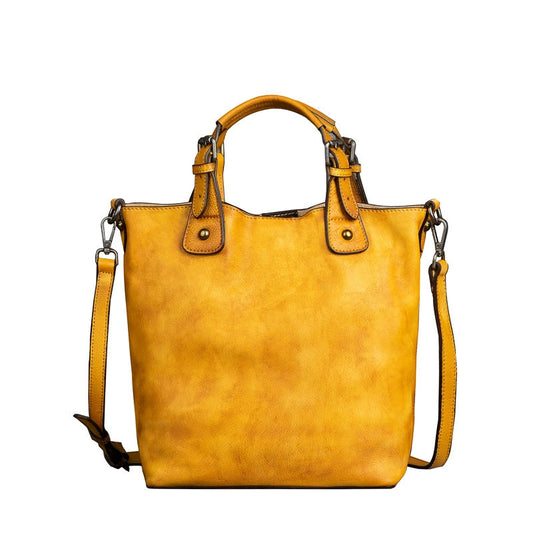
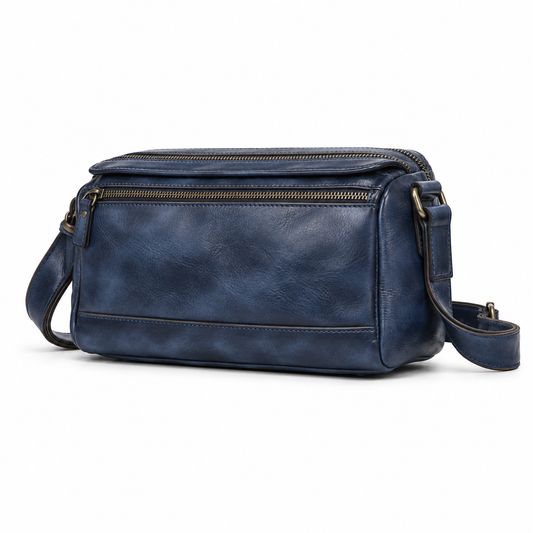
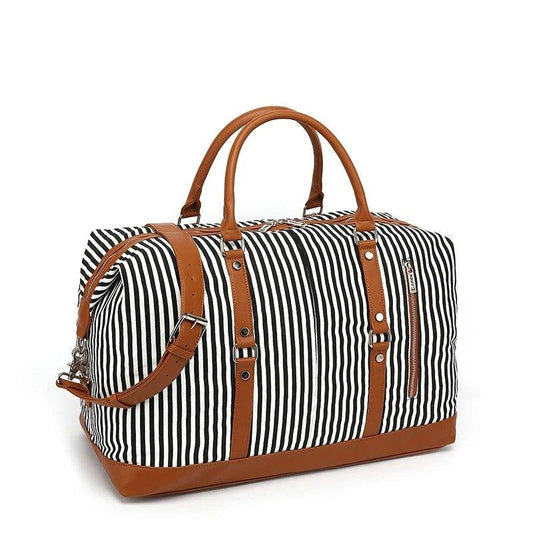
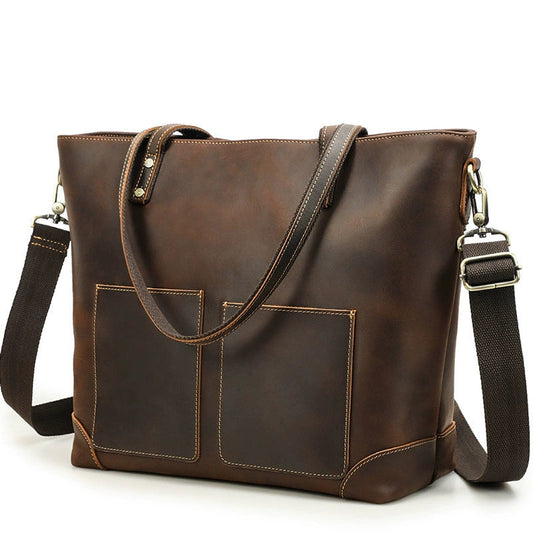
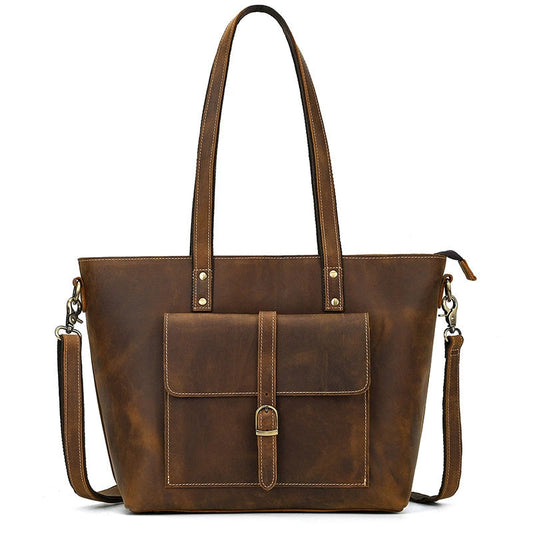
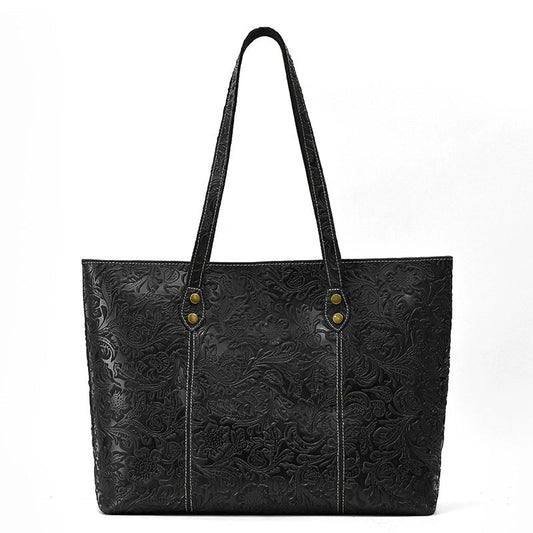
Un sac fourre-tout en toile d'allure vintage semble sans effort local presque partout dans le monde. Il s'accorde avec une robe en lin à Santorin, un trench-coat à Londres et un short à Miami. Les sacs à dos — même les beaux — ont toujours un soupçon de « voyageur » à leur sujet. Si le fait de se fondre dans le décor compte pour vous, le sac fourre-tout est le choix le plus discret. Explorez la gamme de sacs vintage en toile et cuir pour femmes pour voir comment les silhouettes classiques élèvent un sac de tous les jours en une déclaration de voyage.
4. Article personnel adapté aux compagnies aériennes
La plupart des compagnies aériennes autorisent un article personnel en plus de votre bagage à main. Un sac fourre-tout en toile se glisse parfaitement sous le siège devant vous, garde les essentiels à vos pieds pendant le vol et n'attire jamais l'examen minutieux des dimensions que les sacs à dos volumineux suscitent parfois à la porte d'embarquement.
Pourquoi un sac à dos domine toujours les longues journées de voyage
Malgré tout le charme du sac fourre-tout, il y a des jours où seul un sac à dos est pertinent. Voici où deux bretelles l'emportent sur une seule à chaque fois.
1. Répartition du poids et confort
La physique est simple : un sac à dos répartit le poids uniformément sur les deux épaules et, avec une bonne conception, transfère une grande partie de ce poids vers vos hanches et votre tronc. Un sac fourre-tout concentre tout le poids sur une seule épaule. Transporter 6 kg dans un sac fourre-tout pendant huit heures à travers le quartier gothique de Barcelone et votre trapèze déposera une plainte formelle. La même charge dans un sac à dos bien rembourré est à peine perceptible. Si votre itinéraire implique de longues marches — et les meilleurs itinéraires le font généralement — le sac à dos est le vainqueur ergonomique haut la main.
2. Liberté mains-libres
Rues pavées, tourniquets de métro, vélos de location, stands de nourriture, photographie — voyager est une activité qui sollicite les mains. Un sac à dos libère les deux mains pour les billets de train, la nourriture de rue, les déclencheurs d'appareil photo et les rampes. Les parents voyageant avec des enfants classent constamment cela comme le plus grand avantage du voyage avec sac à dos.
3. Organisation et protection
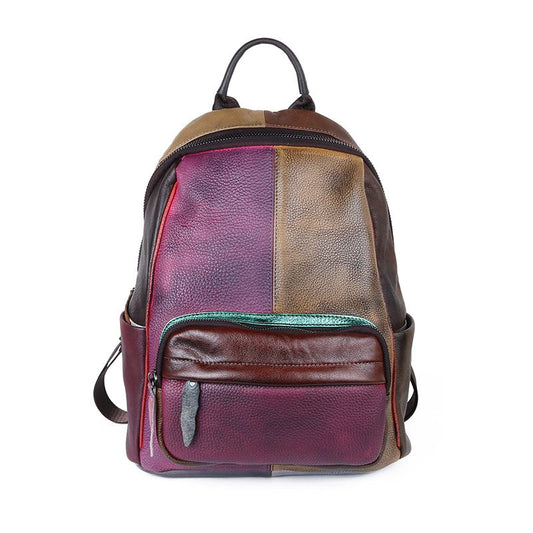
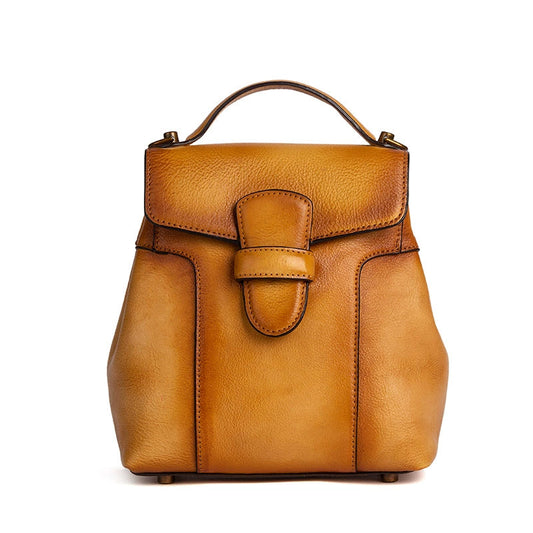
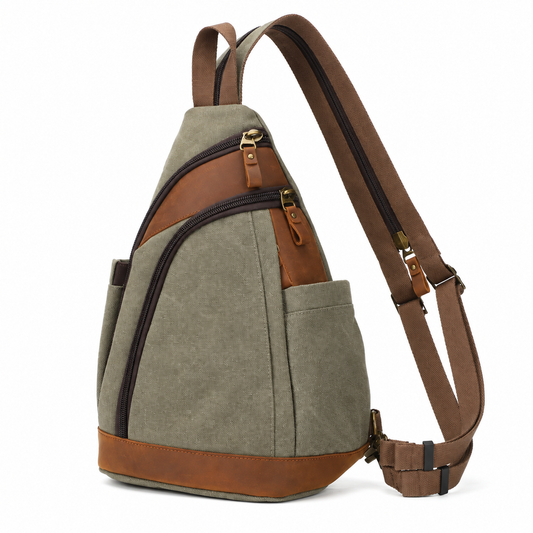
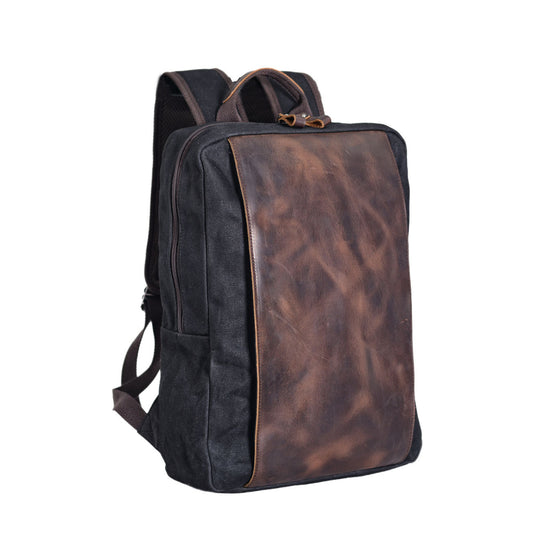
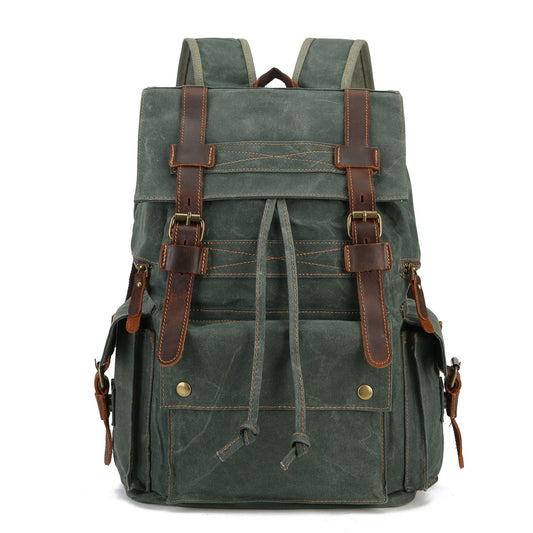
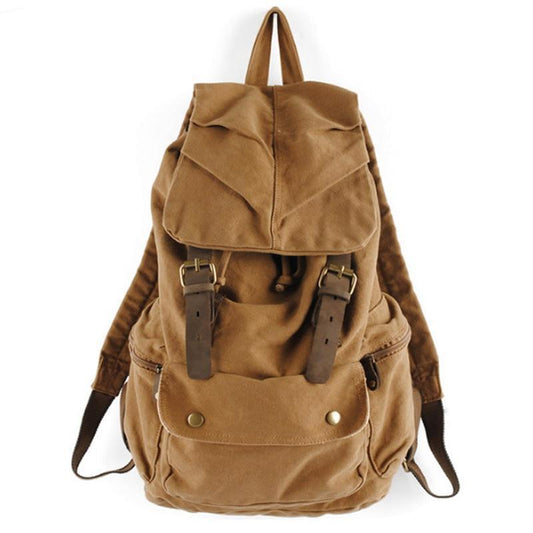
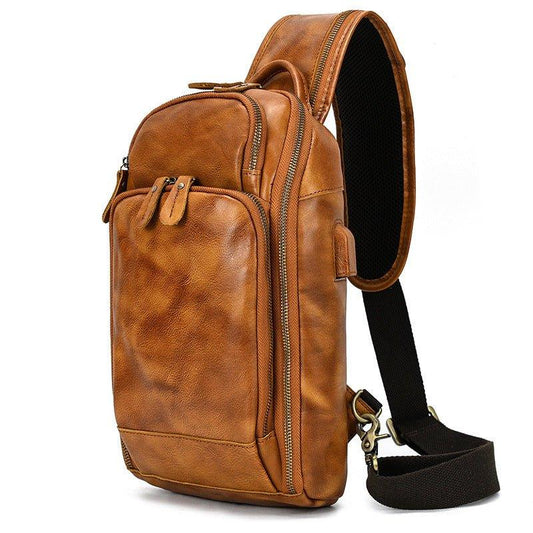
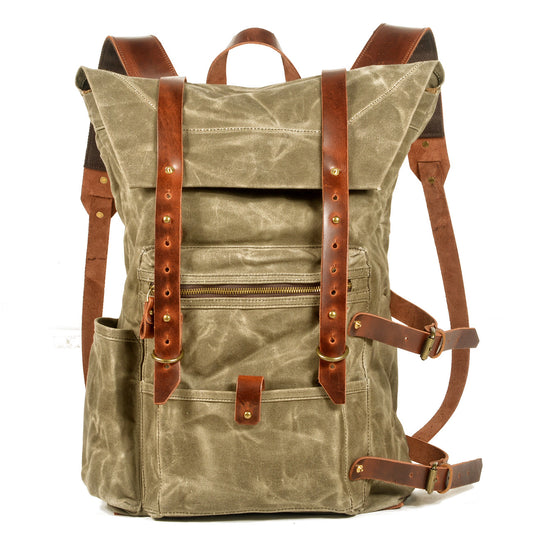
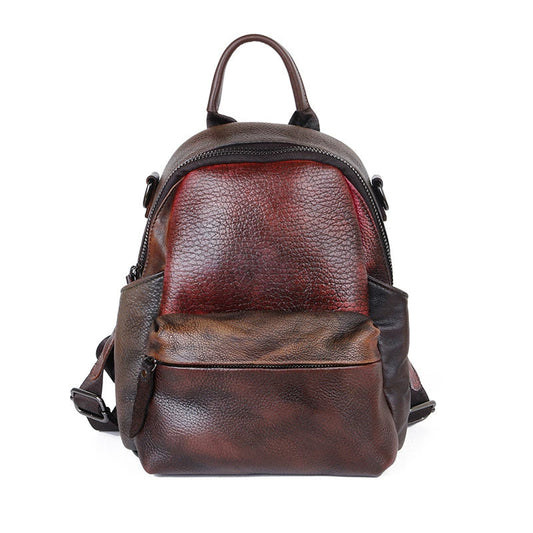
Les sacs à dos de voyage modernes offrent des compartiments rembourrés pour ordinateur portable, des poches de sécurité zippées, des porte-bouteilles d'eau et des ouvertures en forme de coquille qui rendent l'emballage systématique. Les objets de valeur sont rangés dans des compartiments verrouillables contre votre dos plutôt que dans un sac ouvert à vos côtés. Pour les appareils électroniques, les appareils photo et les documents, cette structure et cette protection sont difficiles à abandonner. Parcourez les sacs à dos en toile et cuir Woosir pour des modèles qui combinent caractère vintage et organisation moderne.
4. Capacité pour de vraies charges
Les sacs fourre-tout ont une capacité pratique confortable d'environ 15 à 20 litres. Les sacs à dos gèrent couramment 25 à 40 litres sans devenir encombrants. Si votre journée implique un ordinateur portable, une veste, une bouteille d'eau, un déjeuner et un appareil photo, le sac à dos absorbe tout et garde sa forme.

Comparaison directe : Sac fourre-tout vs sac à dos
- Confort sur les longues journées : Le sac à dos l'emporte haut la main. Deux bretelles rembourrées sont toujours mieux qu'une seule épaule.
- Vitesse d'accès : Le sac fourre-tout l'emporte. Dessus ouvert, pas de fermetures éclair, pas besoin de retirer le sac.
- Poids du sac lui-même : Le sac fourre-tout l'emporte avec 0,2 à 0,9 kg contre 0,9 à 1,8 kg pour la plupart des sacs à dos de voyage.
- Sécurité dans les foules : Le sac à dos l'emporte — s'il a des fermetures éclair verrouillables. Un sac fourre-tout ouvert dans un marché bondé de Bangkok est une invitation.
- Polyvalence du style : Le sac fourre-tout l'emporte pour les environnements urbains et nocturnes ; un sac fourre-tout en toile bordé de cuir peut entrer dans un bon restaurant sans complexe.
- Protection de l'ordinateur portable et de l'appareil photo : Le sac à dos l'emporte avec des compartiments rembourrés et suspendus.
- Facilité de rangement en tant que deuxième sac : Le sac fourre-tout l'emporte — il se plie à plat et disparaît dans n'importe quelle valise.
- Résistance aux intempéries : Égalité — les versions en toile cirée des deux gèrent la pluie magnifiquement.
L'importance du matériau : pourquoi la toile est le tissu du voyageur
Que vous optiez pour un sac fourre-tout ou un sac à dos, la question du matériau mérite attention. La toile de coton — en particulier la toile cirée — est le tissu du voyageur depuis plus d'un siècle, et la tendance de 2026 vers des équipements durables, réparables et sans plastique n'a fait que renforcer son intérêt.
Toile cirée : résistant aux intempéries avec du caractère
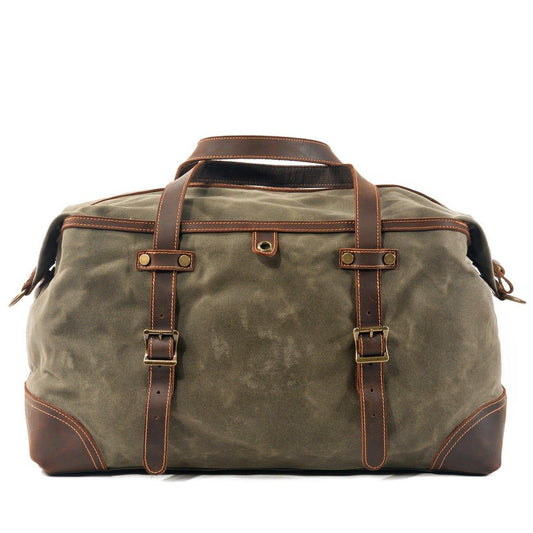
La toile cirée est du coton canard imprégné de paraffine ou de cire naturelle. La pluie perle et glisse. Les éraflures et les plis ne l'abîment pas — ils font partie d'une patine qui rend le sac vraiment unique. Contrairement aux synthétiques laminés qui se fissurent et s'écaillent, la toile cirée peut être recirée tous les ans ou tous les deux ans et dure réellement des décennies. La collection de sacs en toile cirée de Woosir montre tout le spectre, des sacs fourre-tout minces aux sacs à dos d'expédition.
Poids de la toile expliqué
- Toile de 8 à 10 oz : légère, pliable, idéale pour les sacs fourre-tout compacts.
- Toile de 12 à 14 oz : le juste milieu pour les sacs de voyage quotidiens — structurée mais pas rigide.
- Toile de 16 à 18 oz : très résistante, presque indestructible, idéale pour les sacs à dos qui transportent de lourdes charges.
Bordure en cuir : là où la beauté rencontre les points de tension
Les meilleurs sacs de voyage en toile renforcent les poignées, les coins et les ancrages des bretelles avec du cuir pleine fleur. Le cuir absorbe l'abrasion là où le sac en a le plus besoin et vieillit en une riche patine. Une combinaison toile et cuir est le look de voyage classique pour une raison : chaque matériau fait le travail que l'autre ne peut pas faire.
Scénarios de voyage régionaux : quel sac gagne où ?
Voyages urbains en Europe
Pensez à Paris, Prague, Florence : pavés, cafés, musées et pickpockets. La configuration idéale est un sac à dos de taille moyenne (avec des fermetures éclair que vous pouvez verrouiller) pour les jours de transit et un sac fourre-tout en toile pour les jours de musée et de café. De nombreux musées européens exigent que les gros sacs à dos soient déposés à la consigne, tandis qu'un sac fourre-tout passe sans problème. Sur les vols régionaux à bas prix avec des limites de cabine de 7 à 10 kg, le sac fourre-tout léger comme article personnel est un atout stratégique.
Asie du Sud-Est et Japon
La chaleur et l'humidité sont pénalisantes pour les charges lourdes. À Bangkok, Hanoï ou Osaka en été, un sac à dos contre votre dos signifie une chemise trempée dès 10 heures du matin. Un sac fourre-tout laisse l'air circuler dans votre dos et transporte une bouteille d'eau, un ventilateur et de la crème solaire avec de la place en plus. Gardez le sac à dos pour les jours de voyage entre les villes, et notez que les trains de nuit et les bus à travers l'Asie sont beaucoup plus faciles avec un sac à dos que vous pouvez serrer sur vos genoux ou attacher à un support.
Les Amériques : Road Trips et Parcs Nationaux
Des sentiers de l'Utah aux vents de Patagonie, les Amériques récompensent le sac à dos. Les distances sont plus longues, le terrain est plus accidenté et la voiture sert souvent de camp de base. Gardez le sac fourre-tout dans le coffre pour les marchés fermiers, les arrêts à la plage et les courses ; portez le sac à dos sur chaque sentier.

Comment choisir : cinq questions à vous poser
- Combien d'heures par jour le sac sera-t-il sur votre corps ? Au-delà de trois heures de port continu, l'avantage de confort du sac à dos devient décisif.
- Quelle est la chose la plus lourde que vous transporterez ? Un ordinateur portable ou un appareil photo vous pousse vers un sac à dos rembourré ; un livre de poche et un cardigan favorisent le sac fourre-tout.
- Où serez-vous ? Les systèmes de transport en commun bondés favorisent les sacs à dos à fermeture éclair portés à l'avant ; la culture des cafés favorise l'élégant sac fourre-tout.
- Avez-vous besoin d'habiller le sac ? Un sac fourre-tout bordé de cuir passe des visites touristiques au dîner ; la plupart des sacs à dos ne le font pas.
- Êtes-vous un éternel sur-emballeur ? Un sac fourre-tout ouvert encourage à jeter « juste une chose de plus ». Le volume fixe d'un sac à dos impose une discipline.
Le système à deux sacs que la plupart des voyageurs finissent par adopter
Après de nombreux voyages, la plupart des voyageurs arrivent à la même réponse à la question du sac fourre-tout en toile vs sac à dos : emportez les deux, mais donnez à chacun un rôle défini. Le sac à dos est le vaisseau-mère — ordinateur portable, pochette de vêtements, articles de toilette, chargeurs — enregistré à la consigne ou laissé à l'hôtel. Le sac fourre-tout en toile est le compagnon quotidien — portefeuille, téléphone, eau, appareil photo, pull. Le sac fourre-tout se plie à plat à l'intérieur du sac à dos en transit, n'ajoutant presque aucun poids, et sert de supplément pour les souvenirs au retour. C'est la rare solution de voyage sans inconvénient.
Entretenir la toile pour qu'elle dure des décennies
- Nettoyage localisé uniquement. Utilisez un chiffon humide et un savon doux ; le lavage en machine détruit les revêtements cirés et déforme la structure.
- Sécher à l'air libre toujours. La chaleur fissure la cire et rétrécit le coton.
- Recirer chaque année. Une boîte de cire pour tissu et vingt minutes avec un sèche-cheveux restaurent une résistance totale aux intempéries.
- Entretenir les garnitures en cuir. Un conditionneur léger pour cuir deux fois par an maintient les poignées et les sangles souples.
- Ranger rempli. Remplissez un sac inactif avec du papier pour qu'il conserve sa forme entre les voyages.
Ce qui va dans chaque sac : un plan de rangement pratique
La théorie est utile, mais les journées de voyage se gagnent avec des systèmes. Voici une répartition éprouvée sur le terrain pour le voyageur à deux sacs qui maintient le poids équilibré et les essentiels accessibles.
Sac à dos (le vaisseau-mère)
- Ordinateur portable ou tablette dans la housse rembourrée, chargeurs et câbles dans une petite pochette à côté.
- Cube de rangement avec un jour de vêtements de rechange — votre assurance contre la perte de bagages enregistrés.
- Trousse de toilette, médicaments et documents de voyage dont vous n'avez pas besoin en vol.
- Veste de pluie et chaussures, rangées en bas où leur poids aide à la posture.
Sac fourre-tout en toile (le compagnon quotidien)
- Passeport, carte d'embarquement, téléphone et portefeuille dans la poche intérieure zippée — toujours la même poche, pour que votre main les trouve sans chercher.
- Bouteille d'eau dans un coin, collations, baume à lèvres et désinfectant pour les mains.
- Une couche légère pour les trains et les musées trop climatisés.
- Livre ou liseuse, écouteurs et appareil photo compact sur le dessus pour un accès instantané.
La discipline d'un emplacement attitré pour chaque article est plus importante que les sacs eux-mêmes : elle élimine les gestes frénétiques de tapotement de poche qui caractérisent un voyageur stressé dans n'importe quel aéroport du monde.
Budget vs Premium : ce que l'argent supplémentaire achète réellement
Les sacs en toile couvrent une large gamme de prix, et il est utile de savoir où va l'argent. Au niveau d'entrée de gamme, attendez-vous à une toile plus légère de 8 à 10 oz, une texture imprimée plutôt que tissée, des intérieurs non doublés et des points de tension uniquement cousus. Ces sacs conviennent pour une utilisation occasionnelle, mais ont tendance à s'affaisser sous de lourdes charges et à s'effilocher au niveau des poignées après quelques saisons de voyage.
Les sacs en toile de gamme moyenne et premium justifient leur prix par des avantages que vous ressentez au quotidien. Une toile cirée plus lourde de 14 à 16 oz conserve sa structure même lorsque le sac est à moitié vide et résiste à la bruine. Le cuir pleine fleur — et non le cuir reconstitué ou le « véritable » cuir fendu — recouvre les poignées et renforce les coins. La quincaillerie est en laiton massif ou en nickel antique plutôt qu'en zinc peint qui s'écaille et se pique. Les coutures sont renforcées ou rivetées aux points de charge, et les doublures sont en coton épais plutôt qu'en polyester glissant qui se déchire au moindre contact avec une pointe de stylo. Un sac fourre-tout ou un sac à dos en toile de qualité supérieure coûte deux à trois fois plus cher que la version économique et dure généralement dix fois plus longtemps, ce qui en fait l'un des calculs de valeur les plus faciles en matière d'équipement de voyage.

L'angle de la durabilité : pourquoi les matériaux naturels l'emportent en 2026
Il y a un autre argument en faveur de la toile et du cuir qui s'est fait de plus en plus entendre chaque année : la réparabilité. Un panneau en nylon déchiré ou un revêtement en polyuréthane délaminé signifie généralement que le sac entier finit à la décharge. La toile de coton, en revanche, peut être rapiécée, recousue et recirée indéfiniment ; la garniture en cuir peut être rafraîchie ou entièrement remplacée par n'importe quel cordonnier. Les voyageurs traitent de plus en plus leurs sacs comme ils traitent de bonnes bottes — comme des compagnons à long terme à entretenir, et non des consommables à remplacer. Choisir un sac fourre-tout en toile ou un sac à dos en toile et cuir est discrètement un vote pour cette manière plus lente et moins gaspilleuse de posséder des choses, et la patine que ces matériaux développent est la récompense visible de les garder en service année après année.
Foire aux questions
Un sac fourre-tout en toile est-il suffisant pour voyager en avion ?
Oui. Un sac fourre-tout en toile est un excellent article personnel sur pratiquement toutes les compagnies aériennes. Il se glisse sous le siège, garde les essentiels accessibles pendant le vol et ajoute un poids négligeable aux strictes franchises de cabine. Pour votre bagage à main principal, associez-le à un sac à dos structuré ou à un sac de sport.
Les sacs fourre-tout sont-ils à l'abri des pickpockets ?
Un sac fourre-tout ouvert est la cible la plus facile dans les zones bondées, alors choisissez-en un avec une fermeture éclair ou magnétique pour les villes, gardez les objets de valeur dans une poche intérieure zippée et portez le sac devant votre corps dans les foules denses. Dans les zones à haut risque, déplacez les objets de valeur dans un sac à dos porté à l'avant ou une pochette sous les vêtements.
Qu'est-ce qui est mieux pour les maux de dos, un sac fourre-tout ou un sac à dos ?
Un sac à dos, sans aucun doute. Une répartition symétrique de la charge sur les deux épaules réduit considérablement la tension sur le cou et le bas du dos. Si vous devez porter un sac fourre-tout avec un poids réel, alternez régulièrement les épaules et maintenez la charge en dessous de 3 kg.
Une toile en coton peut-elle résister à la pluie ?
La toile de coton ordinaire absorbe l'eau, mais la toile cirée la repousse remarquablement bien — la pluie légère à modérée perle simplement. Pour les averses de mousson, ajoutez une housse de pluie compressible ou choisissez un sac avec une doublure imperméable.
Quelle taille de sac fourre-tout est la meilleure pour voyager ?
Recherchez environ 15 à 20 litres — environ 40 cm de large et 35 cm de haut. Cela permet de contenir confortablement un ordinateur portable ou une tablette de 13 pouces, une bouteille d'eau, une veste légère et les essentiels quotidiens, tout en se glissant sous un siège d'avion.
Verdict final : Sac fourre-tout en toile vs sac à dos pour voyager en 2026
Le débat sac fourre-tout en toile vs sac à dos n'a pas de gagnant unique car les deux sacs résolvent des problèmes différents. Le sac à dos est la bête de somme : ergonomique, sécurisé et organisé pour les journées chargées et les longues distances. Le sac fourre-tout en toile est le compagnon : léger, rapide, élégant et d'une polyvalence infinie. Voyagez avec un sac à dos lorsque les kilomètres sont longs, passez au sac fourre-tout lorsque la journée se fait facile, et laissez chaque sac faire ce pour quoi il est né. Quelle que soit votre préférence, choisissez des matériaux honnêtes — toile de coton épaisse, garnitures en cuir pleine fleur, quincaillerie en laiton — et votre sac de voyage racontera encore des histoires longtemps après que les voyages de cette année seront devenus des souvenirs.