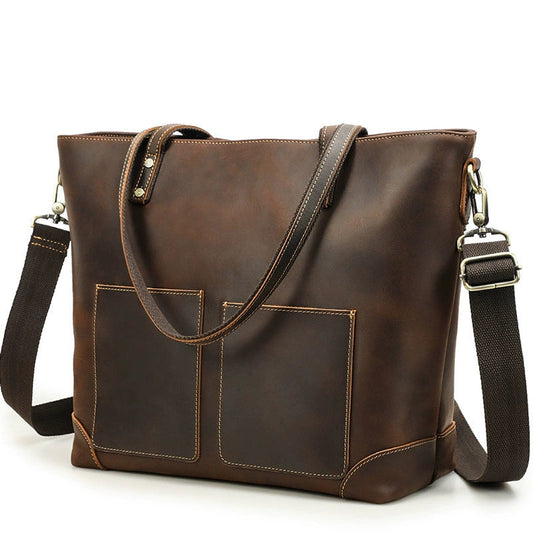
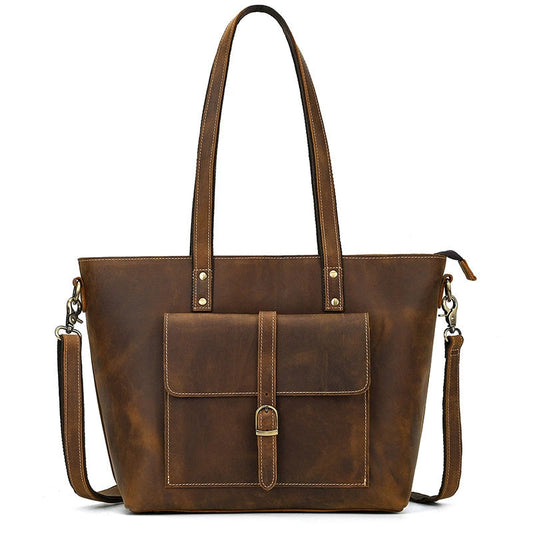
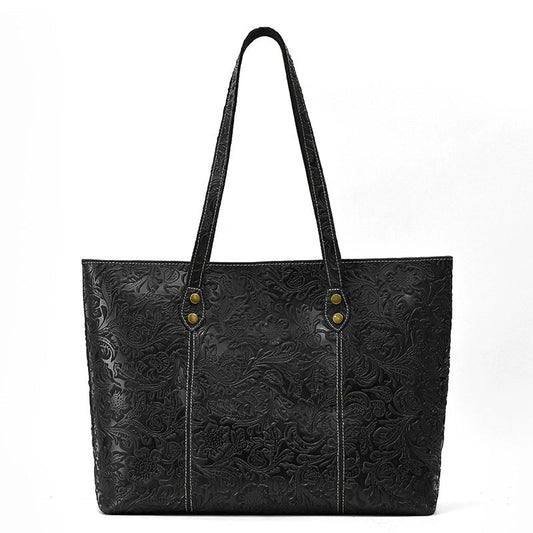
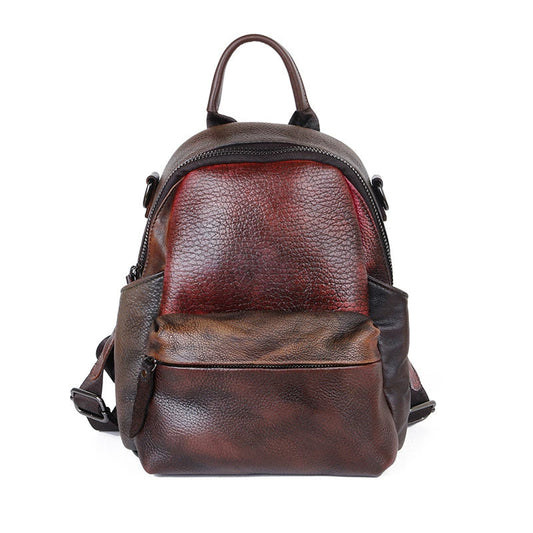

Sacs photo pour les photographes de voyage : toile ou cuir en 2026

Sacs photo pour photographes de voyage : Toile cirée vs Cuir en 2026
Choisir le bon sac photo pour la photographie de voyage est l'une des décisions les plus importantes qu'un photographe puisse prendre. Que vous traversiez les fuseaux horaires pour un mariage à destination, que vous fassiez de la randonnée sur le terrain imprévisible de la Patagonie, ou que vous photographiez les rues étroites de Marrakech, votre sac photo est votre équipement le plus important, après l'appareil photo lui-même. Dans ce guide complet, nous détaillons les sacs photo pour les photographes de voyage, en comparant les options en toile cirée et en cuir afin que vous puissiez trouver la combinaison parfaite pour votre style de prise de vue, votre climat et votre esthétique.
Pourquoi les sacs photo pour photographes de voyage exigent une considération spéciale
Un sac photo n'est pas seulement un espace de rangement, c'est un studio mobile. Il doit protéger des milliers de dollars d'équipement contre les chocs, la pluie et les variations de température, tout en restant confortable à porter pendant des journées de prise de vue de huit heures. Ajoutez les exigences des aéroports, des rues pavées des capitales européennes, des sentiers de jungle humides d'Asie du Sud-Est, et la mentalité axée sur la sécurité requise partout dans le monde, et le niveau d'exigence pour un sac photo de voyage devient extrêmement élevé.
Les deux matériaux qui dominent le marché des sacs photo haut de gamme sont la toile cirée et le cuir véritable. Chacun apporte une philosophie distincte à la conception des sacs, et comprendre ces différences est la clé pour faire le bon choix.
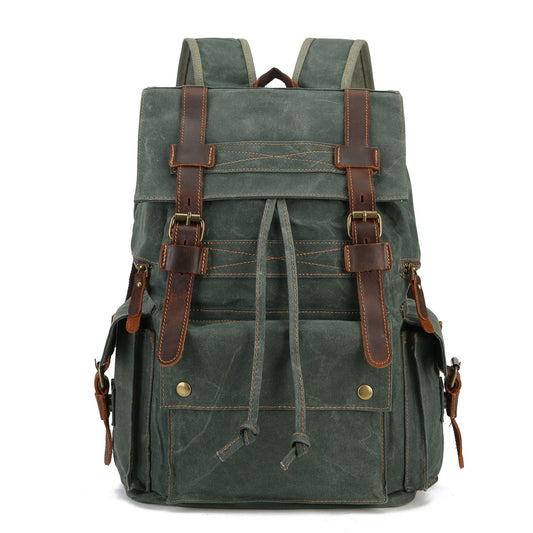
Sacs photo en toile cirée : Robustes, légers, résistants aux intempéries
Qu'est-ce que la toile cirée ?
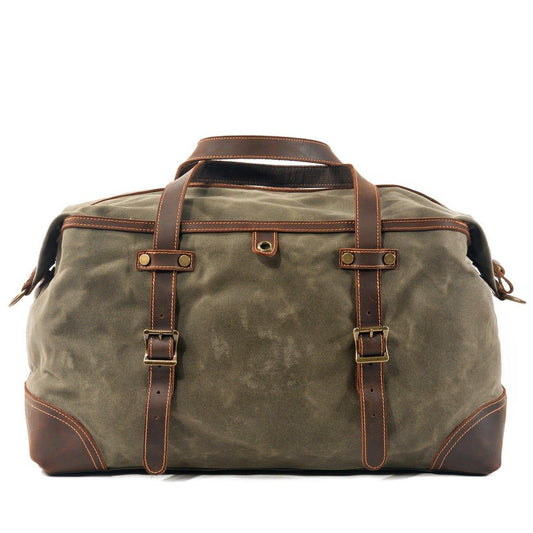
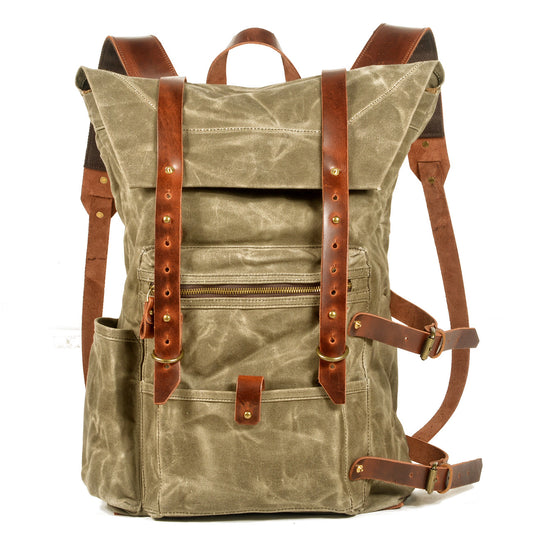
La toile cirée est un tissu de coton serré imprégné de paraffine ou de cire d'abeille. Le processus crée un matériau qui repousse l'eau tout en restant respirant, flexible et étonnamment léger. La toile cirée est utilisée dans les équipements de plein air depuis le 19e siècle — à l'origine pour la voile — et elle a connu un fort renouveau sur le marché des sacs haut de gamme.
Avantages des sacs photo en toile cirée pour les voyageurs
- Résistance aux intempéries : La toile cirée repousse les pluies légères sans les traitements imperméabilisants lourds que l'on trouve sur les sacs synthétiques. Elle supporte facilement les bruines typiques des villes comme Londres, Vancouver ou Séoul.
- Construction légère : Un sac bandoulière photo en toile cirée pèse souvent 30 à 50 % de moins qu'un modèle en cuir comparable. Sur une journée complète de prise de vue, cette différence se fait sentir sur vos épaules et votre dos.
- Esthétique discrète : Les sacs en toile cirée se fondent dans les environnements urbains. Un sac bandoulière en toile cirée donne l'impression d'être "étudiant" ou "artiste" plutôt que "matériel photo coûteux", ce qui représente un véritable avantage en matière de sécurité sur les marchés animés, de Mexico à Bangkok.
- Réparabilité : La toile cirée peut être ré-enduite de cire à la maison à l'aide de produits standards comme Otter Wax ou Fjallraven Greenland Wax, prolongeant la durée de vie d'un sac indéfiniment.
- Pas de période de rodage : Les sacs en toile cirée sont souples et prêts à l'emploi dès le premier jour.
Inconvénients des sacs photo en toile cirée
- La toile peut absorber les odeurs avec le temps si elle n'est pas entretenue.
- Le revêtement en cire nécessite une réapplication périodique – environ une fois par an avec une utilisation régulière.
- La toile ne développe pas la même patine lustrée que le cuir ; le vieillissement a tendance à être plus uniforme et moins spectaculaire.
Pour les photographes qui photographient par temps variable dans plusieurs climats — la norme pour les photographes de voyage couvrant à la fois les hivers européens et les étés tropicaux — un sac photo en toile cirée est souvent le choix le plus pratique.
Sacs photo en cuir : Intemporels, durables, haut de gamme
Qu'est-ce qui rend le cuir spécial pour les sacs photo ?
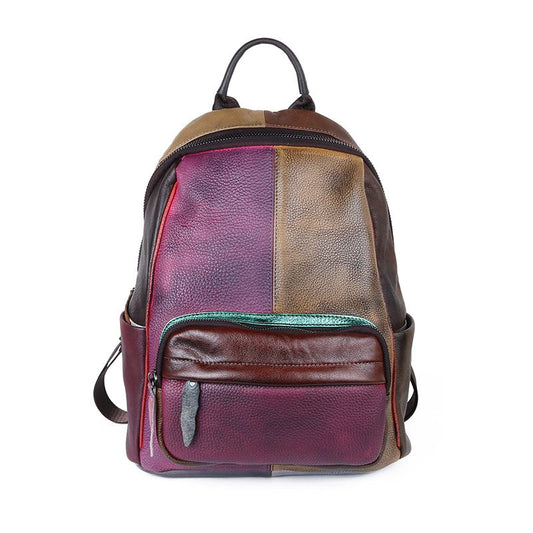
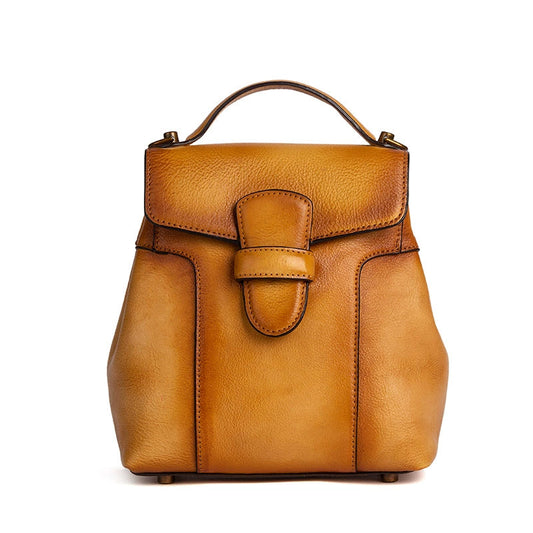
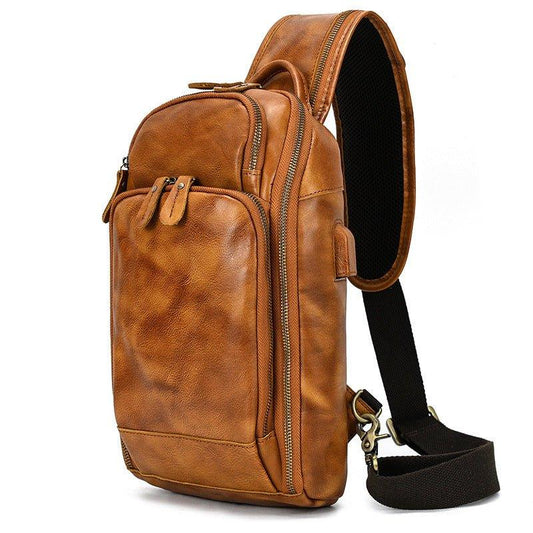
Le cuir pleine fleur est l'un des matériaux naturels les plus durables disponibles. Un sac photo en cuir bien fait, correctement entretenu, peut durer des décennies. Le cuir développe également une patine — un assombrissement et un approfondissement de la couleur qui enregistre l'histoire du sac — que de nombreux photographes trouvent très attrayante. Chaque éraflure d'une randonnée à travers la Toscane rurale ou d'une rame de métro bondée à Tokyo fait partie de l'histoire du sac.
Avantages des sacs photo en cuir pour les voyageurs
- Durabilité exceptionnelle : Le cuir pleine fleur résiste mieux à l'abrasion que tout autre matériau en toile ou synthétique. Les points d'attache du matériel restent fermes même sous de lourdes charges quotidiennes.
- Apparence premium : Les sacs photo en cuir conviennent aux contextes professionnels et formels où la toile pourrait sembler trop décontractée. Ils sont aussi à l'aise lors d'une séance photo d'entreprise que d'un mariage à destination.
- Patine naturelle : Le processus de vieillissement du cuir de qualité est considéré comme une caractéristique, pas un défaut. Un sac photo en cuir de 5 ans a l'air distingué ; un sac synthétique de 5 ans a souvent juste l'air usé.
- Rigidité structurelle : Un bon cuir conserve mieux sa forme que la toile, ce qui est important pour protéger les éléments délicats des objectifs des chocs.
Inconvénients des sacs photo en cuir
- Poids : Le cuir ajoute une masse significative. Un sac photo en cuir pouvant contenir un kit hybride peut peser 1,5 à 2 kg avant l'ajout de tout équipement.
- Sensibilité à l'eau : Le cuir standard n'est pas résistant à l'eau. L'exposition à la pluie peut provoquer des taches, un raidissement ou des fissures — bien qu'un conditionnement régulier atténue cela.
- Coût : Le cuir de qualité coûte cher, tant à l'achat qu'en entretien continu.
- Période de rodage : Certains sacs en cuir nécessitent des semaines, voire des mois, pour s'assouplir et être confortables à porter.
Les photographes opérant dans des climats secs — le sud-ouest américain, la Méditerranée, le Moyen-Orient — ou ceux qui privilégient l'apparence professionnelle et l'investissement à long terme constateront qu'un sac photo en cuir rapporte des dividendes au fil des années d'utilisation. Explorez notre gamme de sacs vintage en toile et en cuir pour des styles qui relient les deux mondes.
Caractéristiques clés à rechercher dans un sac photo de voyage
Organisation intérieure
Les meilleurs sacs photo de voyage utilisent des séparateurs rembourrés amovibles qui vous permettent de reconfigurer l'intérieur au fur et à mesure que votre équipement évolue. Recherchez un compartiment principal suffisamment grand pour un boîtier avec objectif monté, des poches latérales pour les capuchons d'objectif et les filtres, une pochette rembourrée pour ordinateur portable ou tablette, et des poches à accès rapide pour les batteries et les cartes mémoire.
Conception d'accès : Haut, côté ou dos
La façon dont vous accédez à votre appareil photo pendant la prise de vue est extrêmement importante. Les sacs à chargement par le haut offrent l'accès le plus rapide lorsque le sac est posé à plat. Les sacs de type bandoulière à chargement latéral permettent l'accès pendant que le sac est suspendu à votre hanche — idéal pour la photographie de rue où vous devez réagir rapidement. Les conceptions à chargement par le dos, où la fermeture éclair principale est tournée vers votre dos, offrent la plus grande sécurité et sont populaires dans les zones touristiques à forte criminalité en Amérique latine, en Asie du Sud-Est et en Europe du Sud.
Système de sangles et répartition de la charge
Les photographes de voyage portent souvent un sac photo pendant 8 à 12 heures. Une bandoulière rembourrée et réglable est non négociable. Les meilleurs sacs comprennent des épaulettes antidérapantes, des sangles de poitrine ou de sternum pour stabiliser la charge pendant le mouvement, et des sangles pour trolley pour glisser sur les poignées de bagages à roulettes dans les aéroports.
Protection contre les intempéries
La météo est imprévisible partout — orages soudains l'après-midi sous les tropiques, brouillard côtier à San Francisco, averses inattendues dans les Highlands écossais. Même si votre sac n'est pas entièrement étanche, il doit inclure une housse de pluie, utiliser des fermetures éclair YKK de qualité qui résistent à l'intrusion d'eau, et avoir une doublure intérieure qui n'absorbera pas l'humidité si la coque extérieure est mouillée.

Toile cirée vs Cuir : Tableau comparatif
| Caractéristique | Toile cirée | Cuir véritable |
|---|---|---|
| Poids | Léger à moyen | Moyen à lourd |
| Résistance aux intempéries | Bonne (hydrofuge) | Moyenne (nécessite un entretien) |
| Durabilité | Très bonne | Excellente |
| Esthétique / patine | Fonctionnel, décontracté | Luxueux, développe du caractère |
| Entretien | Re-cirer annuellement | Conditionner tous les 3-6 mois |
| Période de rodage | Aucune | Plusieurs semaines |
| Gamme de prix | 80 $ à 300 $ | 200 $ à 600 $ et plus |
| Idéal pour | Voyages multi-climats, photographie de rue | Climats secs, environnements professionnels |

Meilleurs styles de sacs photo pour différents types de photographie de voyage
Sacs messager : Le choix du photographe de rue
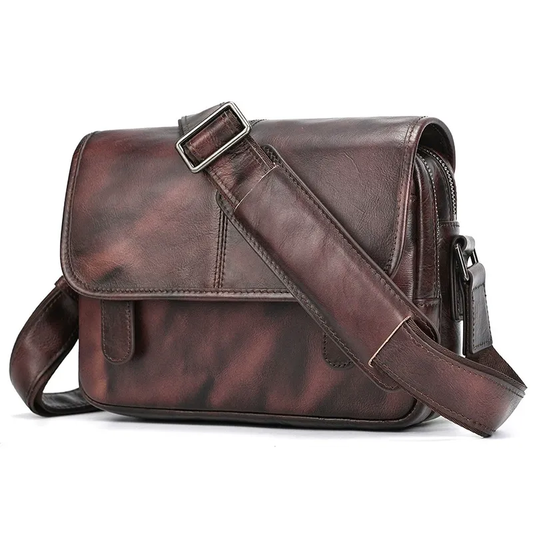
Les sacs photo de style messager se portent en bandoulière, permettant un accès latéral rapide sans retirer le sac. Ils sont le choix dominant parmi les photographes de rue dans les environnements urbains de New York à Hong Kong. Un sac messager en toile cirée, de couleur olive ou marron ciré, reste discret tout en offrant un accès rapide à votre appareil photo hybride ou télémétrique.
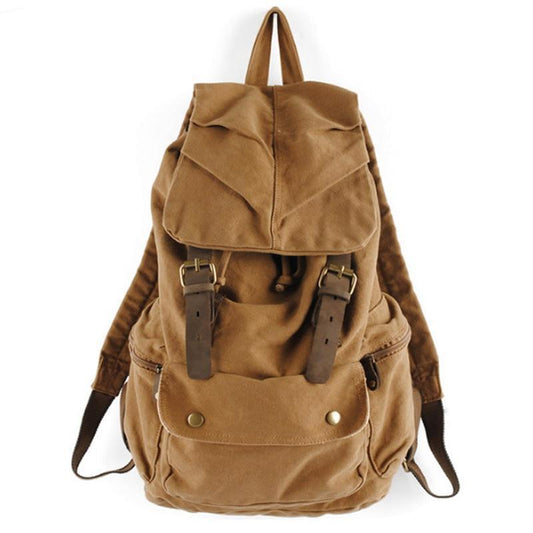
Sacs à dos photo : Pour l'aventure et les longs trajets
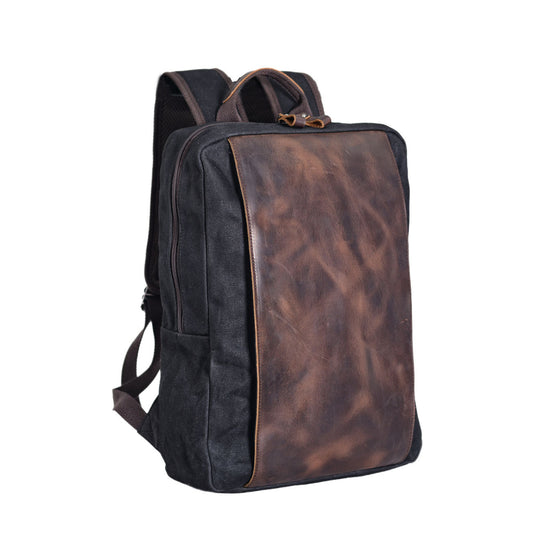
Lorsque vous faites de la randonnée vers un point de vue en montagne dans les Alpes suisses ou que vous naviguez dans une gare bondée en Inde, un sac à dos photo répartit le poids sur les deux épaules. Recherchez des modèles avec des panneaux d'accès qui ne nécessitent pas de retirer le sac entièrement, ainsi que des boucles pour bâtons de randonnée et des attaches pour ceinture abdominale pour les terrains difficiles.
Sacs à bandoulière et cabas : Utilisation urbaine polyvalente
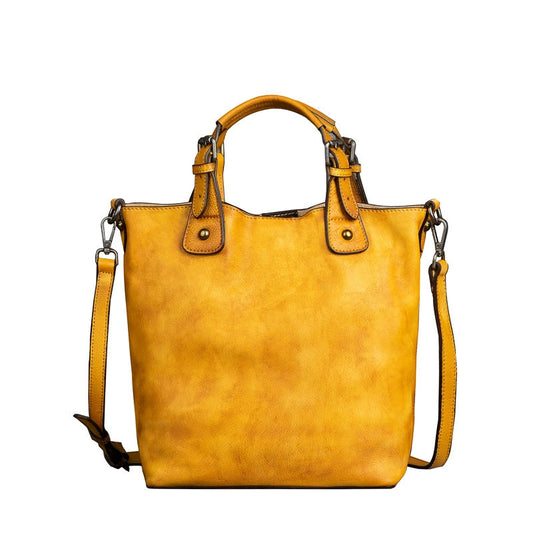
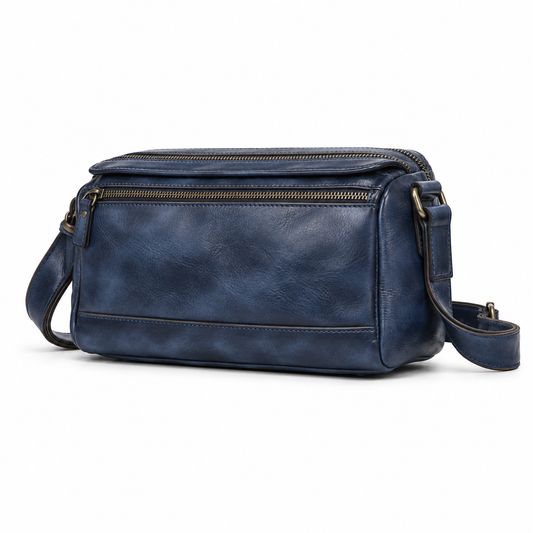
Un sac à bandoulière de taille moyenne ou un cabas structuré convient parfaitement aux photographes qui combinent des séances de prise de vue avec des réunions café et des présentations clients. Les sacs à bandoulière en cuir, en particulier, passent sans problème de la prise de vue à la salle de réunion.
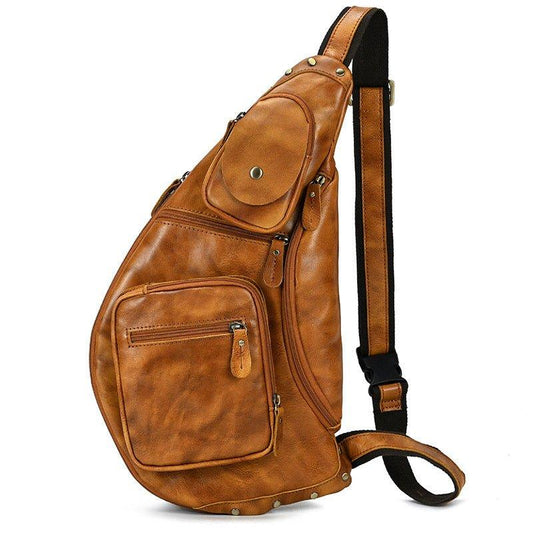
Sacs banane : L'option minimaliste
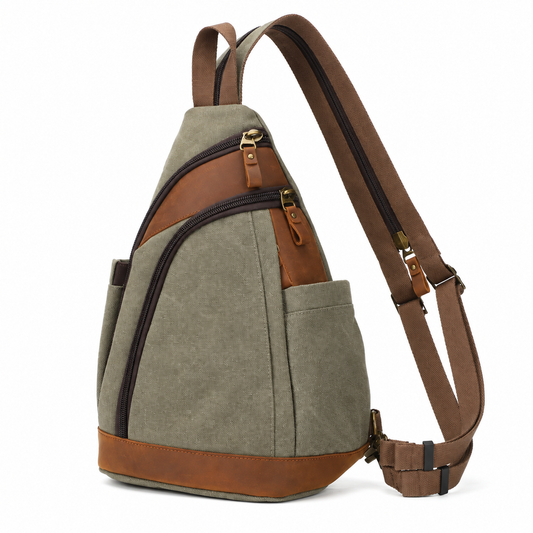
Un sac banane pour appareil photo contient un seul boîtier et deux ou trois objectifs et se porte sur une épaule, se balançant vers l'avant pour un accès rapide. Idéal pour les photographes voyageant léger en Europe ou effectuant des excursions d'une journée à partir d'une base hôtelière.
Prendre soin de votre sac photo en voyage
Entretien de la toile cirée
Nettoyez les taches avec un chiffon humide et un savon doux ; évitez le lavage en machine. Réappliquez de la cire après une forte exposition à la pluie ou annuellement en utilisation normale. Rangez-le dans un endroit frais et sec et évitez une exposition prolongée directe au soleil, qui peut décolorer de manière inégale.
Entretien du cuir
Conditionner tous les 3 à 6 mois avec un revitalisant à base de lanoline pour éviter les craquelures. Si mouillé, essuyer immédiatement — ne jamais utiliser de sèche-cheveux ou de chaleur directe. Utiliser un spray protecteur pour cuir avant les voyages dans des environnements très humides comme l'Asie du Sud-Est ou les Caraïbes. Ranger garni de papier de soie pour maintenir la forme lors de longs voyages.

Foire aux questions sur les sacs photo pour les photographes de voyage
Q : Puis-je transporter un sac photo comme article personnel en avion ?
R : Oui, la plupart des sacs photo se glissent sous le siège devant vous ou dans le compartiment supérieur, ce qui en fait des articles personnels idéaux. Mesurez toujours par rapport aux dimensions d'article personnel de votre compagnie aérienne avant de voler. Un sac photo de style messager standard (généralement 38 x 28 x 10 cm) respecte la plupart des restrictions des compagnies aériennes dans le monde entier.
Q : La toile cirée est-elle réellement imperméable ?
R : La toile cirée est déperlante, pas imperméable. Les pluies légères et une brève exposition perlent, mais une forte pluie prolongée finira par saturer le tissu. Pour une protection garantie contre les fortes averses, utilisez la housse de pluie fournie ou doublez l'intérieur avec un sac étanche.
Q : Quelle quantité de matériel un sac photo de voyage peut-il contenir de manière réaliste ?
R : Un sac photo de voyage de taille moyenne (environ 12-15 L) contient généralement un boîtier hybride ou reflex avec objectif monté, deux à trois objectifs supplémentaires, un flash, des batteries, des cartes et un ordinateur portable de 13 pouces. Les sacs plus grands de plus de 20 L peuvent accueillir des kits plein format avec des téléobjectifs et des ordinateurs portables de 15 pouces.
Q : Les sacs photo en cuir sont-ils sûrs à emporter dans des destinations pluvieuses ?
R : Avec une préparation adéquate, oui. Appliquez un spray hydrofuge pour cuir avant de voyager dans des destinations pluvieuses comme le Royaume-Uni, le Nord-Ouest Pacifique ou l'Asie du Sud-Est pendant la saison des moussons. Gardez un petit sachet de revitalisant pour cuir dans votre sac pour traiter localement toute tache d'eau qui apparaîtrait.
Q : Quel est le sac photo le plus résistant au vol ?
R : Les modèles à accès par le panneau arrière — où les fermetures éclair sont tournées vers votre dos — sont les plus résistants aux pickpockets. Associés à des matériaux anti-coupure et à des fermetures éclair verrouillables, ils offrent la meilleure protection dans les destinations bondées. Gardez vos objets les plus précieux dans les poches intérieures, pas dans les poches extérieures.
Prendre la décision finale : Toile cirée ou cuir ?
La bonne réponse dépend de trois facteurs : votre environnement de prise de vue, vos préférences esthétiques et votre budget. Si vous voyagez dans plusieurs climats tout au long de l'année, privilégiez un poids léger, ou travaillez principalement dans des contextes décontractés ou extérieurs, un sac photo en toile cirée est le choix pragmatique. Il supporte les intempéries, reste léger et ne fera pas sourciller, que ce soit dans une médina de Marrakech ou sur un sentier de fjord norvégien.
Si vous travaillez principalement dans des contextes professionnels, opérez dans des climats secs et souhaitez un sac qui durera 20 ans et s'améliorera avec le temps, un sac photo en cuir est un véritable investissement à long terme. La pénalité de poids est réelle, tout comme la durabilité et la récompense esthétique. De nombreux photographes de voyage possèdent les deux : un sac en toile cirée pour les voyages d'aventure et un sac en cuir pour la photographie professionnelle et urbaine.
Conclusion : Trouvez votre sac photo idéal pour la photographie de voyage
Les sacs photo pour les photographes de voyage en 2026 n'ont jamais été aussi performants. Que vous choisissiez la polyvalence robuste de la toile cirée ou la sophistication intemporelle du cuir véritable, le meilleur sac est celui qui protège votre équipement, assure votre confort et vous permet de vous concentrer sur la création de superbes images. Adaptez votre matériau à votre environnement, investissez dans une construction de qualité et entretenez bien votre sac – il vous accompagnera alors dans des décennies d'aventures créatives sur tous les continents. Parcourez notre sélection complète de sacs et étuis pour appareil photo pour trouver votre compagnon de voyage idéal.