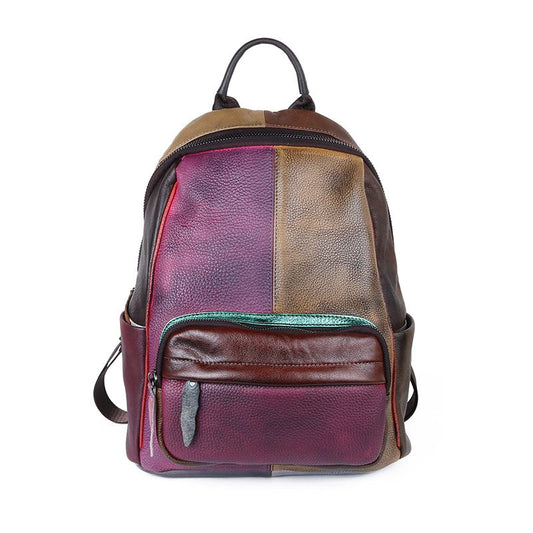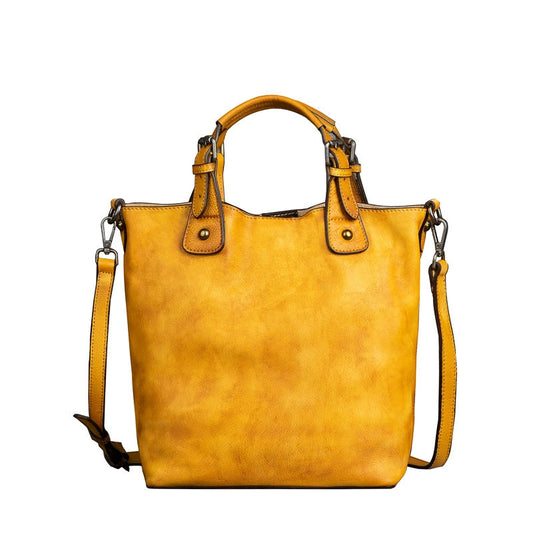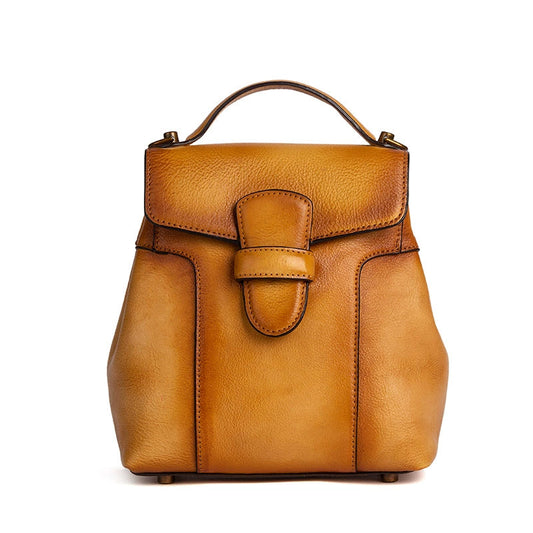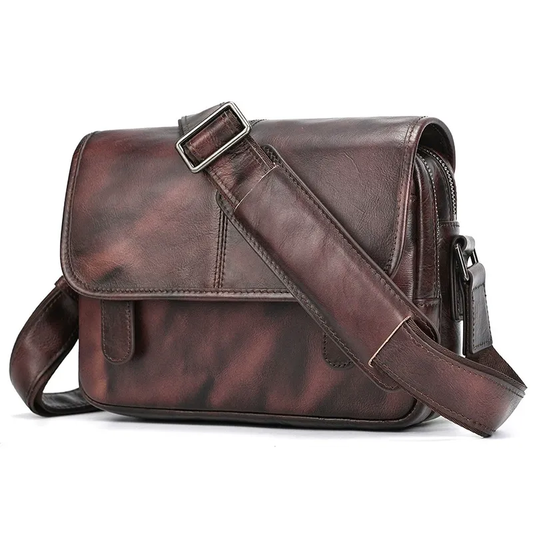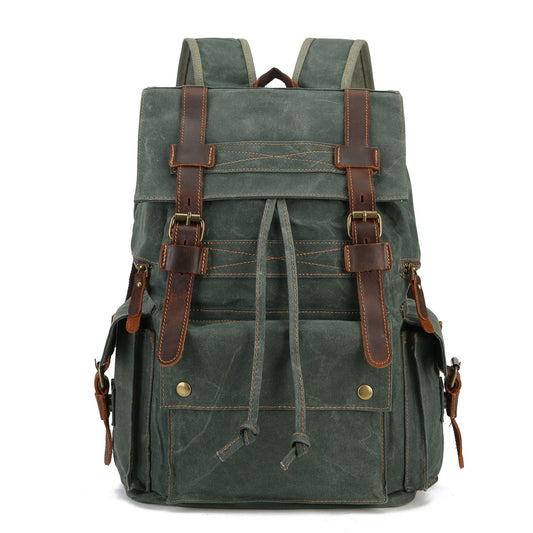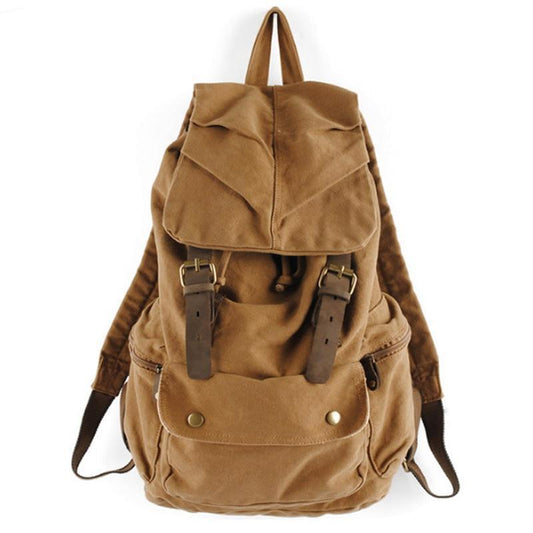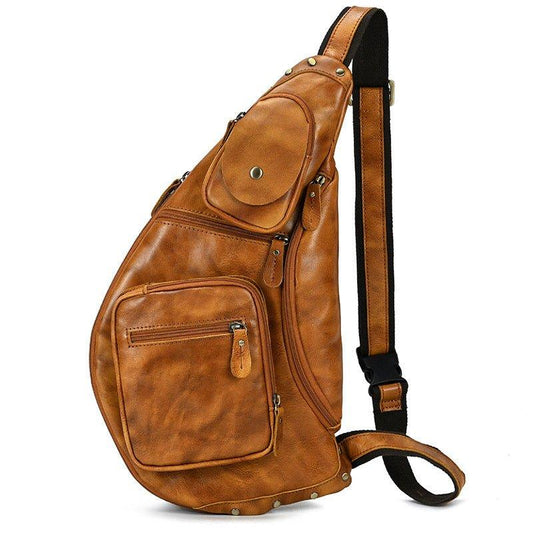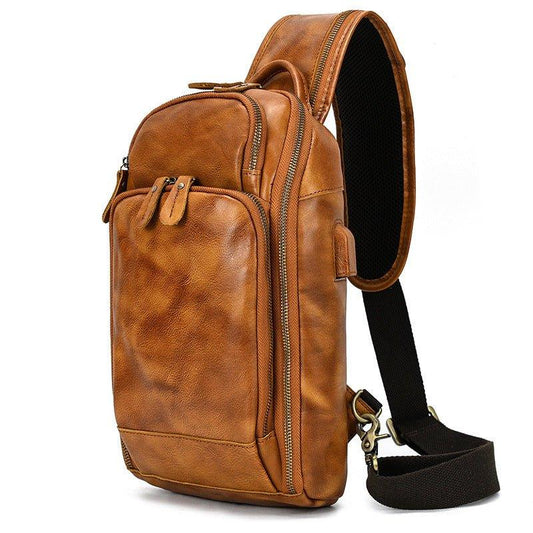

Durabilité des sacs à dos et sacs de voyage hybrides : Ce qui lâche en premier et comment acheter un modèle durable en 2026

Un sac hybride sac à dos-sac de voyage exige davantage de ses matériaux que tout autre sac de voyage que vous possédez. Il doit être porté sur une épaule dans une file de taxis, posé à plat dans un compartiment supérieur, puis transporter 14 kilogrammes sur votre dos à travers une rue pavée – le tout à partir du même ensemble de coutures. Cette polyvalence explique précisément pourquoi les hybrides sont la catégorie de bagages de voyage qui connaît la croissance la plus rapide, et aussi pourquoi un modèle mal construit se désagrège en une seule saison tandis qu'un modèle bien construit survit à trois téléphones.
La plupart des guides d'achat s'arrêtent à la capacité et à la couleur. Celui-ci va là où les photos marketing ne regardent jamais : les points d'ancrage, les jauges de fermeture éclair, les panneaux de base et la quincaillerie qui décident si votre sac durera huit mois ou huit ans. Ci-dessous, vous trouverez les six composants qui cèdent en premier, comment chaque tissu modifie la courbe de défaillance, une routine d'inspection de dix minutes que vous pouvez effectuer avant d'acheter, et le calcul du coût par utilisation qui rend un sac plus cher la décision la plus économique.
Pourquoi un sac hybride sac à dos-sac de voyage est plus difficile à construire que chacun des sacs séparément
Un sac de voyage traditionnel a une tâche simple. La charge s'étend sur toute sa longueur, deux poignées se rejoignent en haut, et la contrainte se répartit sur une large couture horizontale. Un sac à dos dédié a une tâche tout aussi simple : un panneau vertical, un harnais fixe et un cadre ou une feuille de mousse qui transfère le poids sur vos hanches.
Un hybride doit faire les deux, et les deux chemins de charge se combattent. Lorsque vous le portez comme un sac de voyage, la force tire vers le haut par le centre supérieur. Lorsque vous le portez comme un sac à dos, le même tissu est tiré vers le bas et vers l'extérieur par deux ancrages d'épaule placés près des coins supérieurs. Ces coins deviennent les centimètres carrés les plus sollicités de tout le sac. Chaque cycle de conversion les fléchit à nouveau.
C'est la chose la plus utile à comprendre en tant qu'acheteur : les hybrides ne tombent généralement pas en panne au milieu d'un panneau. Ils tombent en panne là où la direction de la charge change. Une fois que vous savez cela, vous pouvez évaluer un sac en quelques minutes au lieu de vous fier à une fiche technique.
Les six points de contrainte qui cèdent en premier sur un sac hybride sac à dos-sac de voyage
Selon les données de retour, les rapports des ateliers de réparation et les forums d'utilisateurs à long terme, les défaillances des sacs hybrides se regroupent autour des mêmes six points. Ils sont énumérés ici par ordre approximatif de fréquence de défaillance.
1. Points d'ancrage de la bretelle
C'est la défaillance numéro un, et ce n'est rarement la sangle de la bretelle qui se casse, mais plutôt la jonction où la sangle rencontre le sac. Cherchez un point d'arrêt : un rectangle dense de coutures aller-retour, généralement 42 à 56 points, qui fixe la sangle à un renfort. Les sacs bon marché utilisent une simple couture en X directement sur le tissu extérieur sans couche de renfort. Sous une charge de 12 kg, le fil scie le tissage, et vous obtenez une déchirure lente plutôt qu'une rupture nette.
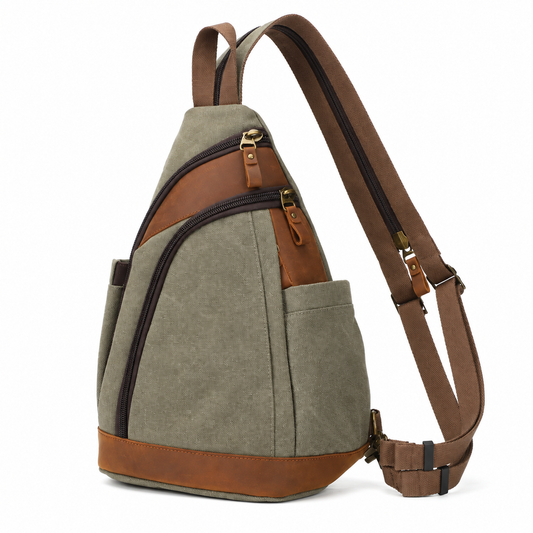
À quoi ressemble un bon design : une sangle qui disparaît sous un patch en cuir ou en tissu double couche, bartacké aux deux extrémités, idéalement avec la couture du patch prise dans une couture structurelle du panneau plutôt que flottant à la surface.
2. La fermeture éclair principale
Les fermetures éclair sont classées par jauge, c'est-à-dire la largeur de la chaîne fermée en millimètres. Une bobine #5 convient pour une pochette d'ordinateur portable et est nettement sous-dimensionnée pour une ouverture principale qui est souvent remplie. Une fermeture éclair principale hybride devrait être de taille #8 ou #10. Parce que les sacs de voyage sont habituellement trop remplis, la chaîne est sollicitée latéralement, et une bobine sous-dimensionnée se sépare derrière le curseur même si les dents sont intactes.
Deux détails supplémentaires sont importants. Premièrement, une conception à double curseur permet de soulager la pression de chaque extrémité au lieu de forcer un seul curseur à travers un blocage. Deuxièmement, recherchez un rabat anti-tempête ou un léger renfoncement ; une chaîne exposée au sommet d'un sac de sport recueille la saleté, et la saleté est ce qui use les bobines.
3. Le panneau de base et les coins
Les sacs de sport sont constamment posés – sur des quais humides, du gravier, des carrelages d'aéroport, des sols d'auberge. L'abrasion se concentre sur les quatre coins. Une base monocouche est un compte à rebours. La meilleure solution est une deuxième couche de tissu plus épais, une base en cuir ou des renforts d'angle moulés. Palpez : une base renforcée présente une rigidité supplémentaire évidente et une ligne de couture visible en retrait du bord.
L'eau est le problème secondaire. Une couture de base qui affleure le sol absorbe l'humidité directement dans vos vêtements. Les sacs avec une base légèrement surélevée ou des pieds d'angle restent considérablement plus secs.
4. Quincaillerie : Anneaux en D, boucles et curseurs
La quincaillerie cède discrètement. Un anneau en D en alliage de zinc moulé peut se fissurer le long de sa ligne de moulage sous une charge de choc, ce qui est exactement ce qui se produit lorsqu'un sac plein se balance de l'épaule. Le laiton massif, l'acier inoxydable ou l'aluminium forgé se comportent mieux. Un test rapide : la quincaillerie métallique doit être froide et dense, et la quincaillerie peinte ne doit pas présenter de ligne de moule autour de l'anneau.
Les boucles en plastique ne sont pas automatiquement mauvaises – les bonnes boucles en acétal sont légères et fiables – mais évitez le plastique cassant, brillant et à parois minces sur toute sangle qui supporte une charge corporelle plutôt que de simplement comprimer un panneau.
5. Le compartiment de rangement du harnais
La caractéristique qui définit un hybride est aussi un point faible courant. Les sangles se glissent dans un panneau arrière zippé afin de ne pas s'accrocher aux tapis roulants. Deux modes de défaillance apparaissent : la fermeture éclair de la poche de rangement est sous-dimensionnée et se fend lorsque les sangles sont entassées humides, ou la poche est cousue uniquement à la coque extérieure, de sorte qu'elle se gonfle et finit par se délaminer du panneau arrière.
Testez-le en magasin. Déployez et rangez le harnais trois fois. S'il nécessite de la force, vous cesserez d'utiliser la fonction dans un mois, et un harnais non rangé est ce qui se coince et se déchire pendant le transport.
6. Poignées et boucles de préhension
Les poignées supérieures supportent la force de pointe la plus élevée de tous les composants : un sac soulevé brusquement dans un compartiment à bagages supporte bien plus que son poids statique. Les poignées enveloppées qui continuent en sangle sur les côtés du sac répartissent cette force sur une longue couture. Les poignées qui se terminent par deux petites languettes la concentrent. Les boucles de préhension latérales sont également importantes : c'est ainsi que l'on sort un sac du coffre d'une voiture, et une boucle cousue à plat sur une seule couche de tissu est la première chose à se décoller.
Comment le choix des matériaux modifie la courbe de défaillance
Le tissu ne change pas seulement l'apparence d'un sac. Il change la façon dont un sac meurt – progressivement et de manière réparable, ou soudainement et de manière irréparable.
Toile cirée
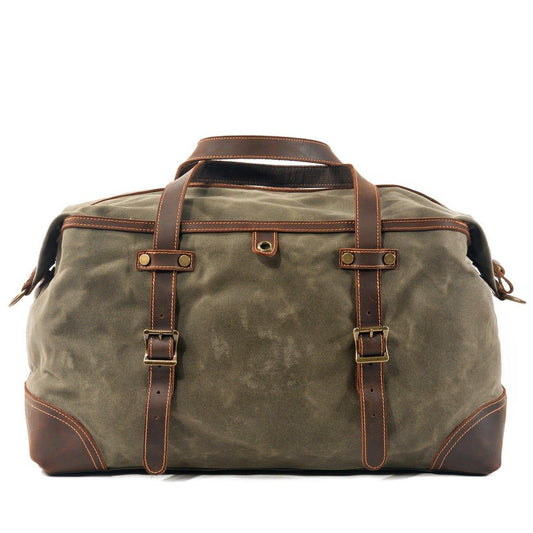
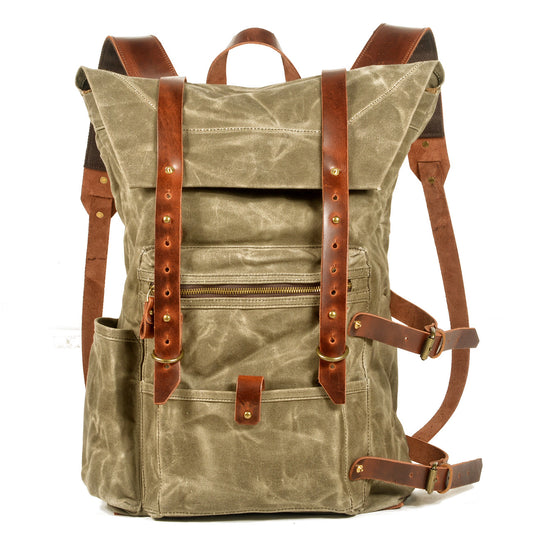
La toile de coton cirée de 10 à 18 oz vieillit en s'adoucissant et en se patinant plutôt qu'en se déchirant. L'abrasion ternit d'abord la finition cirée, que vous pouvez restaurer avec une barre de cire et un sèche-cheveux. Cette réparabilité est le véritable argument en sa faveur. Les inconvénients sont le poids et une couche de cire qui durcit par grand froid et s'adoucit par forte chaleur. Pour la plupart des voyageurs qui veulent un sac qui a l'air mieux à la cinquième année qu'à la première, la catégorie des sacs en toile cirée reste le meilleur équilibre entre résilience et caractère.
Bordure en cuir pleine fleur
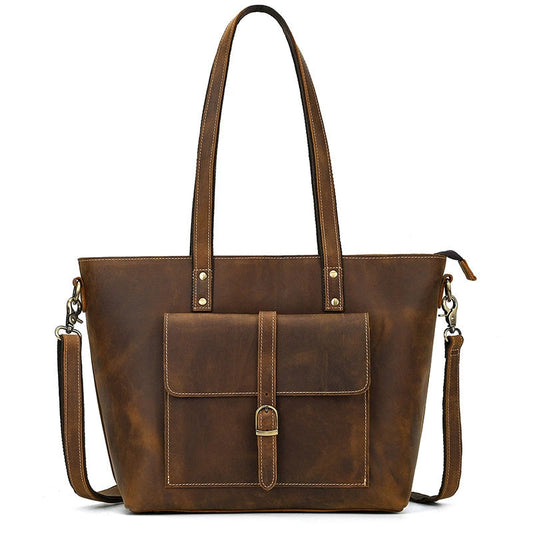
Utilisé comme panneaux de base, capuchons d'angle et patchs de sangle, le cuir pleine fleur est exceptionnel – il résiste à l'abrasion, rigidifie la structure et peut être traité indéfiniment. Utilisé comme coque entière, il devient suffisamment lourd pour empiéter sur votre franchise de bagage à main. Les hybrides les plus intelligents utilisent du cuir là où l'abrasion se produit et de la toile là où se trouve le volume. Évitez les étiquettes « cuir collé » ou « cuir véritable » sur les pièces structurelles ; ces qualités se délaminent plutôt que de se patiner.
Nylon balistique et Cordura
Mesurés en deniers, ces synthétiques l'emportent en termes de rapport résistance/poids et sèchent rapidement. Une base en Cordura 1000D est vraiment robuste. Le problème, c'est le comportement en cas de défaillance : une fois qu'un synthétique enduit est perforé ou que son revêtement se fissure, les dommages ont tendance à se propager, et la réparation sur le terrain est plus difficile que le ré-cirage de la toile. Ils sont le bon choix si le poids minimal est votre priorité.
| Matériau | Résistance à l'abrasion | Poids | Réparable sur le terrain | Idéal pour |
|---|---|---|---|---|
| Toile cirée 12–18 oz | Élevée | Plus lourd | Oui — recirer | Durabilité, patine |
| Garniture en cuir pleine fleur | Très élevée | Le plus lourd | Oui — entretenir | Bases et patchs d'ancrage |
| Cordura 1000D / balistique | Très élevée | Léger | Limitée | Voyage avec contraintes de poids |
| Toile non traitée 8 oz | Faible | Léger | Partiellement | Gym et courts séjours uniquement |
| Polyester enduit 600D | Faible–moyen | Le plus léger | Non | Budget, usage occasionnel |
Coutures et assemblages : Les détails que les photos de produits cachent
Deux sacs peuvent utiliser un tissu identique et durer des durées très différentes, car le fil et l'architecture des coutures font la plupart du travail discret.
- Densité des points. Environ 7 à 9 points par pouce est la plage durable sur les coutures portantes. Des coutures très espacées permettent aux coutures de glisser ; des coutures extrêmement denses perforent le tissu et créent une ligne de déchirure.
- Type de fil. Le fil de nylon ou de polyester collé résiste aux UV et à l'abrasion. Le fil enrobé de coton a une belle apparence et se détériore plus rapidement à l'extérieur.
- Finition des coutures. Les coutures internes bordées ou rubanées empêchent les bords bruts de s'effilocher. Retournez le sac – si vous voyez des bords de tissu bruts lâches partout, attendez-vous à un effilochage dans l'année.
- Lignes droites. Les lignes de couture irrégulières ne sont pas seulement esthétiques ; elles signalent des tolérances d'usine lâches, ce qui signifie généralement que les points d'arrêt sont également incohérents.
- Couches de renfort. Chaque fixation à forte charge doit avoir une deuxième couche cachée. Appuyez derrière un ancrage de sangle avec votre pouce ; vous devriez sentir un patch rigide, pas un tissu monocouche.
Une liste de contrôle d'inspection de dix minutes avant d'acheter
Que vous soyez en magasin ou que vous ouvriez un colis, cette séquence permet de détecter la plupart des problèmes tant que vous pouvez encore retourner le sac.
- Appuyez derrière les deux points d'ancrage des bretelles et confirmez la présence d'un renfort sous chacun.
- Lisez le curseur de la fermeture éclair – le numéro de jauge y est généralement estampé. L'ouverture principale doit être de #8 ou plus.
- Fermez et ouvrez complètement une fermeture éclair trois fois ; elle ne devrait pas nécessiter de seconde main pour la guider.
- Posez le sac sur un sol dur et vérifiez si la couture de base touche le sol ou est surélevée.
- Faites fléchir fermement un anneau en D ou une boucle et recherchez une ligne de moulage ou un blanchiment sous contrainte.
- Déployez et rangez le harnais trois fois, en vérifiant la tension de la fermeture éclair du compartiment de rangement.
- Soulevez le sac par la poignée supérieure avec environ 10 kg à l'intérieur et observez où le tissu se fronce – le froncement signifie que la charge se concentre.
- Retournez-le et inspectez la finition des coutures et les éventuels fils lâches.
- Confirmez que la housse d'ordinateur portable est suspendue au-dessus de la base plutôt que de reposer dessus.
- Vérifiez les conditions de garantie publiées et si des réparations sont proposées.
Réalité régionale : Comment le climat et le terrain accélèrent l'usure
L'endroit où vous voyagez détermine quel composant tombe en panne en premier, c'est pourquoi une seule réponse « sac le plus durable » ne fonctionne jamais.
Europe
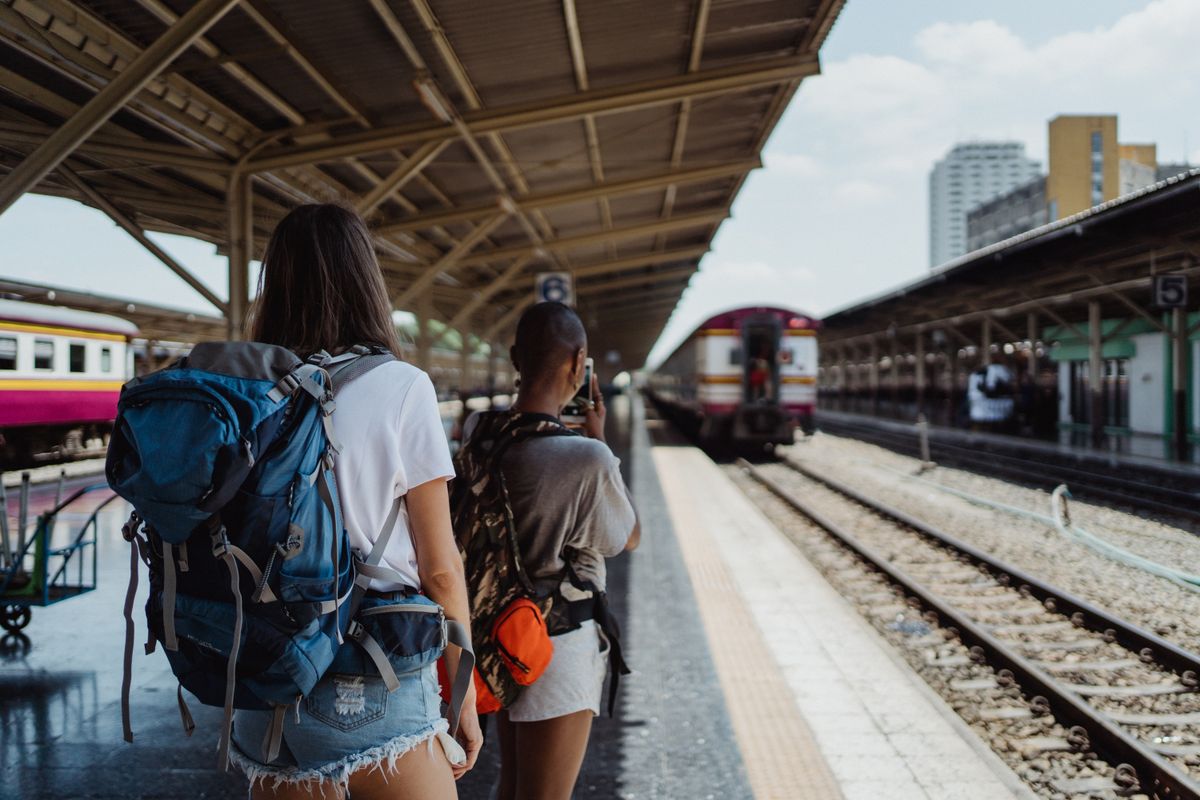
Les pavés, les bordures, les allées de train étroites et les longues marches en gare signifient qu'un hybride est porté sur le dos beaucoup plus que dans la plupart des régions. Les points d'ancrage et le confort du harnais sont primordiaux. Les hivers humides et frais récompensent également les finitions cirées et les bases surélevées, car les sacs passent beaucoup de temps sur des quais mouillés.
Asie
La chaleur et l'humidité sont le test de résistance. Une humidité élevée favorise la moisissure dans tout sac rangé humide, et la pluie de mousson trouve chaque fermeture éclair non scellée. Les foules denses dans les transports publics éraflent également bien plus les panneaux latéraux que les bases. Priorisez les panneaux dorsaux respirants, les fermetures éclair à rabat anti-tempête et les tissus que vous pouvez réellement faire sécher.
Les Amériques
Les longs trajets en voiture, les véhicules plus grands et les vols intérieurs fréquents concentrent l'usure sur les poignées, les boucles de préhension et l'abrasion de la base due aux chargements répétés dans les coffres de voiture et aux enregistrements en porte. La chaleur sèche du sud-ouest peut également fissurer les garnitures en cuir mal entretenues, de sorte qu'une habitude d'entretien est plus importante que ce que les voyageurs pensent.
Coût par utilisation : le calcul qui justifie un meilleur sac
La durabilité est plus facile à justifier lorsque vous la convertissez en un nombre par voyage. Supposons un voyageur modérément actif qui effectue environ 20 voyages par an, plus une utilisation hebdomadaire à la salle de sport ou pour une nuit, soit environ 70 utilisations par an.
| Catégorie | Prix typique | Durée de vie réaliste | Utilisations totales | Coût par utilisation |
|---|---|---|---|---|
| Polyester enduit économique | 45 $ | 1 an | ~70 | ~0,64 $ |
| Hybride toile de milieu de gamme | 120 $ | 4 ans | ~280 | ~0,43 $ |
| Toile cirée + garniture en cuir | 220 $ | 10 ans | ~700 | ~0,31 $ |
Le sac haut de gamme coûte environ cinq fois le prix d'achat et environ la moitié du coût par utilisation. Il permet également d'éviter les coûts cachés que le tableau ne peut pas montrer : un sac qui se fend en plein voyage, un remplacement d'urgence acheté aux prix de l'aéroport, et le gaspillage de trois sacs en décharge au lieu d'un seul. Si vous voyagez régulièrement, acheter au bas du marché est la stratégie la plus coûteuse.
Si vous comparez les options entre catégories avant de vous engager, il est utile d'examiner les sacs hybrides sac à dos-sac de voyage dédiés aux côtés des sacs de voyage conventionnels – voir comment la construction diffère entre un véritable hybride et un sac de voyage avec une sangle ajoutée rend les détails de renforcement beaucoup plus faciles à repérer.
Habitudes qui doublent la durée de vie d'un sac hybride sac à dos-sac de voyage
La construction fixe le plafond ; la manipulation décide si vous l'atteignez.
- Ne pas surcharger la fermeture éclair au maximum. Laisser environ 10 % de mou est le plus grand service que vous puissiez rendre à une fermeture éclair principale.
- Portez les charges lourdes sur votre dos, pas sur une seule épaule. Un port sur une seule épaule avec 15 kg est ce qui déchire les points d'ancrage.
- Rangez le harnais avant l'enregistrement. Les sangles lâches dans un système de bagages sont la cause la plus fréquente de dommages catastrophiques.
- Séchez-le complètement avant de le ranger. Aérez-le ouvert, loin de la chaleur directe, et ne le rangez jamais compressé s'il est humide.
- Nettoyez la saleté des chaînes de fermeture éclair. Une brosse à dents sèche le long des dents tous les quelques mois prévient la plupart de l'usure des fermetures éclair.
- Ré-cirez annuellement. Sur la toile cirée, une soirée d'entretien restaure la résistance à l'eau et la durée de vie à l'abrasion.
- Conditionnez le cuir deux fois par an. Légèrement, sur les garnitures et les bases, surtout dans les climats secs.
- Rangez-le gonflé, pas plié. Le fait de le bourrer lâchement de papier empêche les panneaux de se froisser en lignes faibles permanentes.
Réparation, garantie et quand arrêter de réparer
Avant d'acheter, vérifiez si le fabricant répare les sacs – une marque qui propose des réparations payantes vous dit implicitement que le sac vaut la peine d'être réparé. Les points d'ancrage recousus, les curseurs remplacés et les nouvelles boucles sont des réparations courantes et peu coûteuses dans n'importe quel atelier de réparation de bagages ou de chaussures. Le remplacement complet de la chaîne de fermeture éclair est plus complexe mais reste économique sur un bon sac.
Le moment d'arrêter est la délamination ou la défaillance généralisée du tissu. Lorsqu'une coque enduite se fissure sur plusieurs panneaux, ou que la toile est devenue fine et poudreuse sur de grandes surfaces, une nouvelle couture ne fait que déplacer la déchirure. Réparez les composants ; remplacez les tissus.
Foire aux questions
Combien de temps doit durer un sac hybride sac à dos-sac de voyage ?
Un sac hybride bien construit en toile cirée ou avec des garnitures en cuir devrait durer de 8 à 12 ans d'utilisation régulière avec un entretien de base. Les sacs en toile de milieu de gamme offrent généralement 3 à 5 ans, et les sacs en polyester enduit bon marché présentent souvent des défaillances des points d'ancrage ou des fermetures éclair dans les 12 à 18 mois d'utilisation fréquente.
Qu'est-ce qui cède en premier sur un sac de voyage convertible en sac à dos ?
Les points d'ancrage des bretelles cèdent le plus souvent, suivis de la fermeture éclair principale et des coins du panneau de base. Tous les trois sont des zones de transition de charge, c'est pourquoi les patchs de renfort, une fermeture éclair principale #8 ou #10 et une base double couche sont les trois spécifications pour lesquelles il vaut la peine de payer.
La toile cirée ou le nylon sont-ils plus durables pour un sac hybride ?
Le nylon balistique et le Cordura 1000D obtiennent de meilleurs résultats lors des tests d'abrasion bruts, mais la toile cirée est plus réparable sur le terrain et vieillit plus gracieusement. Si vous voulez un poids minimal, choisissez le nylon. Si vous voulez un sac que vous pouvez entretenir pendant une décennie, choisissez la toile cirée avec des points de contrainte renforcés en cuir.
Puis-je réparer moi-même une sangle d'épaule déchirée ?
Les petites défaillances de couture peuvent être renforcées avec une aiguille robuste et du fil de nylon collé, mais une réparation appropriée ajoute un patch de renfort afin que la nouvelle couture ne déchire pas le même tissage. Pour tout ancrage supportant un poids réel, un cordonnier ou un atelier de réparation de bagages avec une machine à pied entraîneur est le meilleur choix.
Un sac plus grand s'use-t-il plus vite ?
Indirectement, oui. Une plus grande capacité encourage des charges plus lourdes, et la charge est ce qui entraîne la défaillance des ancrages et des fermetures éclair. Un hybride de 40 L porté à 12 kg durera généralement plus longtemps qu'un hybride de 60 L habituellement porté à 20 kg, même si les deux sont construits de manière identique.
Comment dois-je ranger un hybride entre les voyages ?
Videz-le complètement, aérez-le pendant une journée, puis rangez-le, légèrement rembourré et droit, dans un endroit ventilé. Évitez les récipients en plastique scellés, les sous-sols humides et de le suspendre par une seule sangle pendant des mois, ce qui déforme lentement le point d'ancrage dont vous avez le plus besoin intact.
L'essentiel
Bien choisir un sac à dos-sac de voyage hybride est moins une question de marques que de se concentrer sur six points spécifiques du sac. Des points d'ancrage de sangle renforcés, une fermeture éclair principale n° 8 ou n° 10, une base à double couche ou en cuir, de la quincaillerie métallique dense, une poche de rangement de harnais qui fonctionne en douceur, et des poignées qui transfèrent la force dans de longues coutures — si vous avez cela, presque tout le reste est une question de préférence.
Ajoutez une décennie de soins de routine et le calcul du coût par utilisation tourne résolument en votre faveur. Le sac de voyage le plus polyvalent ne mérite ce titre que s'il survit à la polyvalence, alors achetez en fonction des points de tension, pas du style, et un seul hybride pourra véritablement couvrir votre sac de sport, votre sac de week-end et votre bagage à main pendant des années.