
Vintage-Ledertaschen: Der Einkaufsführer für Riemen, Kapazität und tägliches Tragen im Jahr 2026

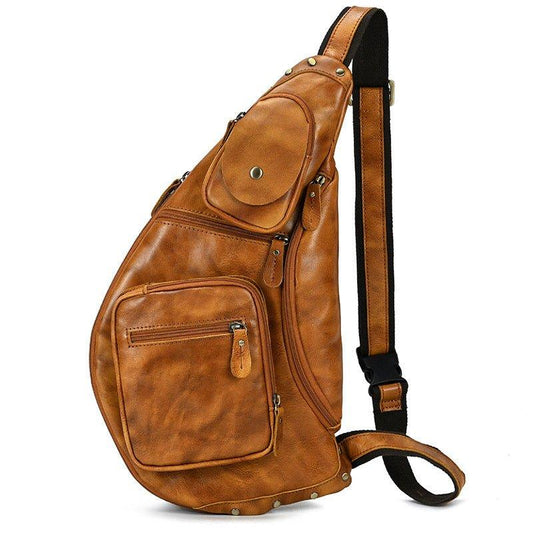
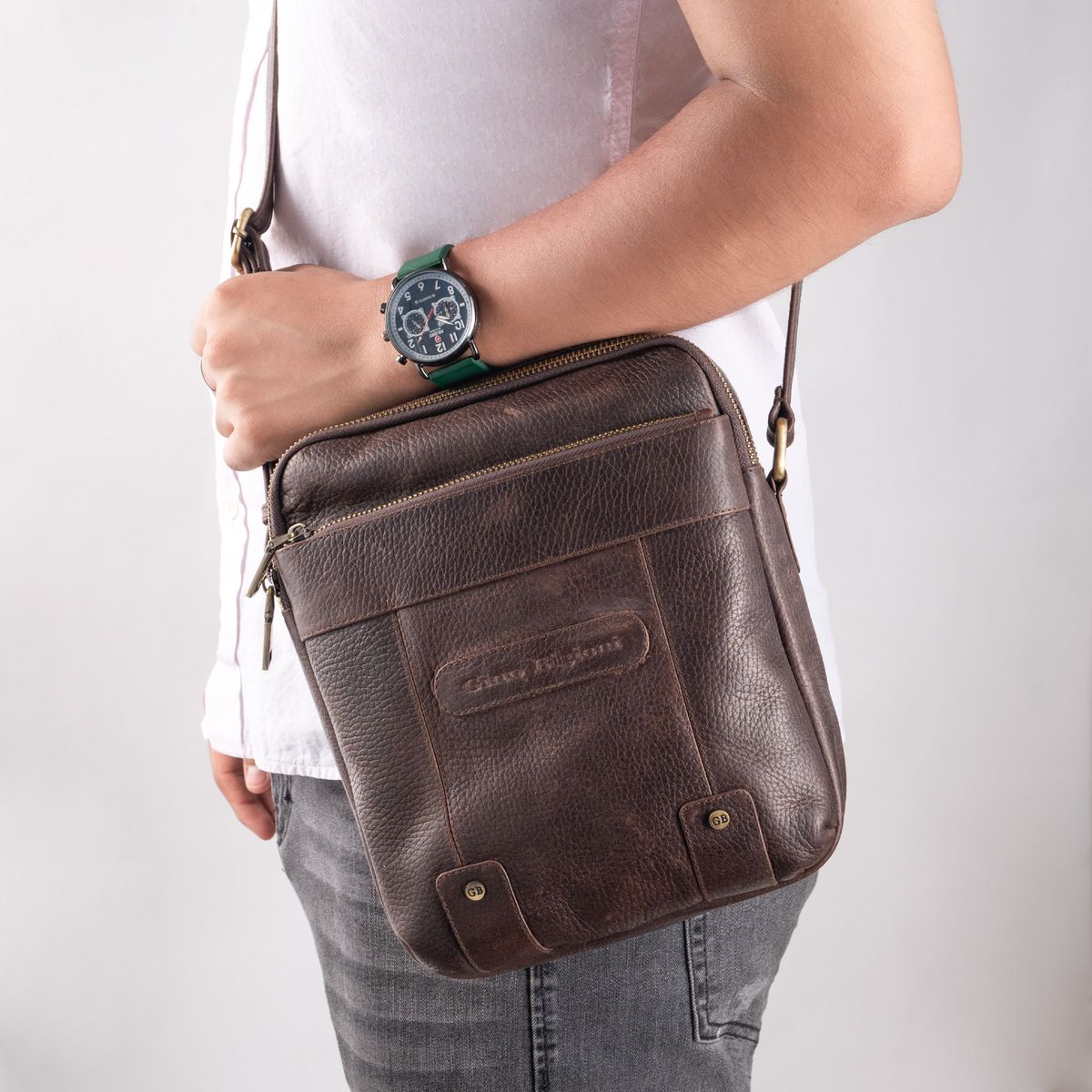
Eine Vintage-Lederslingbag ist eine der praktischsten Tragemöglichkeiten, die ein Reisender wählen kann. Quer über den Körper getragen und zum Zugriff nach vorne gedreht, hält sie das Nötigste in Reichweite, ohne den Umfang eines Rucksacks. Dieser Einkaufsführer erklärt, was eine gut gebaute Slingbag von einem Modeaccessoire unterscheidet: das Gurtsystem, das Fassungsvermögen, das zu Ihrem Tag passt, die Lederqualität, die bestimmt, wie sie altert, und die Gewohnheiten des täglichen Tragens, die sie nützlich machen. Ob Sie in einer europäischen Hauptstadt pendeln, asiatische Straßenmärkte erkunden oder durch Amerika reisen, die richtige Lederslingbag transportiert Ihr Telefon, Portemonnaie, Reisepass und Kamera in einem kompakten, sicheren Paket. Wir werden auch Slingbags mit Umhängetaschen und Rucksäcken vergleichen, damit Sie mit Zuversicht wählen können, und wir werden die häufigsten Fehler behandeln, die einen guten Kauf zu einem Bedauern machen. Eine gute Vintage-Lederslingbag verdient ihren Platz auf jeder Reise.
Was eine Slingbag von einem Rucksack oder einer Messenger Bag unterscheidet
Ein Rucksack verteilt das Gewicht auf zwei Schultern und fasst am meisten, zwingt Sie aber, ihn abzunehmen, um etwas zu erreichen. Eine Messenger Bag hängt an einer Schulter und schwingt zur Seite, was am Schreibtisch in Ordnung ist, aber auf dem Fahrrad unhandlich. Eine Slingbag sitzt diagonal über Brust oder Rücken und dreht sich mit einer Bewegung von hinten nach vorne, so dass Sie Ihr Telefon oder Portemonnaie erreichen können, ohne anzuhalten. Für leichtes alltägliches Tragen – die Ausrüstung, die Sie für ein paar Stunden benötigen – ist diese Zugriffsgeschwindigkeit unschlagbar. Der Kompromiss ist das Fassungsvermögen: Die meisten Slingbags fassen zwischen 3 und 10 Liter, genug für das Nötigste, aber nicht für Wechselkleidung, also kombinieren Sie sie auf mehrtägigen Reisen mit einer größeren Tasche. Betrachten Sie die Slingbag als Ihre körpernahe Steuerzentrale und den Rucksack als Ihren Stauraum; zusammen decken sie jede Reise ab.
Die Anatomie einer gut gebauten Slingbag
Gurtsystem und Rotation
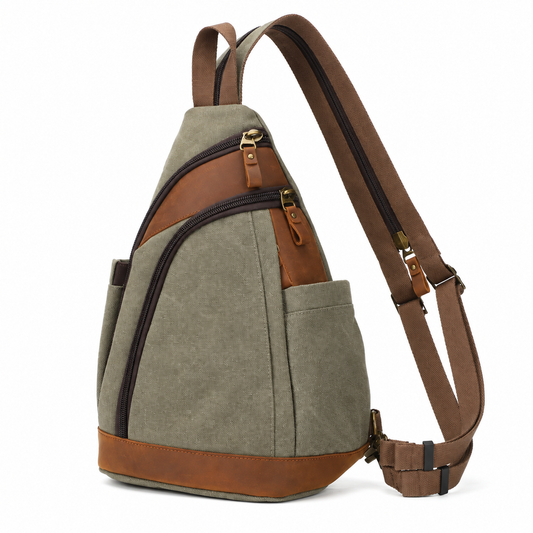
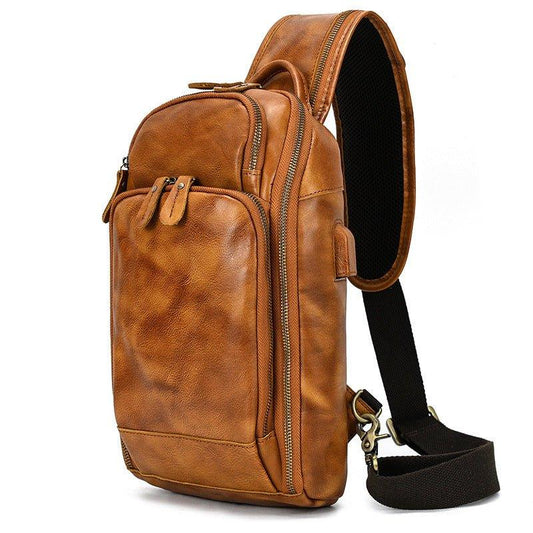
Der Gurt ist das wichtigste Teil. Achten Sie auf einen breiten, gepolsterten Schulterbereich und einen verschiebbaren Versteller, der es der Tasche ermöglicht, sanft von hinten nach vorne zu gleiten. Ein Stabilisatorgurt über der gegenüberliegenden Schulter verhindert, dass die Tasche beim Gehen oder Radfahren wackelt. Billige Slingbags verwenden dünnes Gurtband, das nach einer Stunde einschneidet; eine hochwertige Vintage-Lederslingbag kombiniert einen Lederkorpus mit einem verstärkten, bequemen Gurt, so dass das Gewicht niemals zur Last wird. Testen Sie die Rotation im Laden: Eine gute Slingbag schwingt mit einem einzigen flüssigen Zug nach vorne, während eine schlechte am Arm hängen bleibt oder nicht an Ort und Stelle bleibt.
Kapazität und Fächer
Slingbags mit einem einzigen Fach sind leicht und einfach. Modelle mit zwei Fächern verfügen über eine schnell zugängliche Vordertasche für Fahrkarten und Bargeld. Für Reisen ist ein Hauptfach plus eine versteckte Reißverschlusstasche der optimale Kompromiss: sichtbare Gegenstände vorne, Wertsachen dicht am Körper verstaut, wo ein Taschendieb sie nicht erreichen kann. Vermeiden Sie Taschen mit einem Dutzend kleiner Fächer; sie sehen im Ausstellungsraum organisiert aus, verschwenden aber den Platz, den Sie tatsächlich für eine Wasserflasche oder eine Kompaktkamera benötigen.
Beschläge und Reißverschlüsse
YKK- oder gleichwertige Reißverschlüsse mit Metallzügen halten weitaus länger als unbekannte Kunststoffschieber. Lederriemen sollten mit Nieten oder geschweißten D-Ringen befestigt sein, nicht mit Klebstoff. Fahren Sie mit dem Finger über jede Naht; eine straffe, gleichmäßige Naht ist ein Zeichen dafür, dass die Tasche jahrelangem täglichen Gebrauch standhalten wird, anstatt nach einer feuchten Saison im Ausland auseinanderzufallen. Der Verschluss an der Vorderklappe sollte mit einem selbstbewussten Schnappen schließen, nicht mit einem vagen magnetischen Flüstern, das aufspringt, wenn Sie sich über ein Geländer beugen.
Kapazität nach Anwendungsfall
| Anwendungsfall | Kapazität | Was passt hinein |
|---|---|---|
| Tägliches Pendeln | 3–5 L | Telefon, Geldbörse, Schlüssel, Ohrhörer, kleines Notizbuch |
| Reise-Tagesrucksack | 5–8 L | Oben Genanntes plus Reisepass, Sonnenbrille, Powerbank, Kompaktkamera |
| Foto-Slingbag | 6–10 L | Spiegellose Kamera, ein Objektiv, Zubehör |
| Fahrrad-Besorgungen | 4–6 L | Telefon, Geldbörse, leichte Schicht, kleines Werkzeugset |
Vergrößern Sie die Größe nur, wenn Sie ständig eine Kamera oder ein Tablet tragen; ansonsten bleibt eine kleinere Slingbag bequemer und diskreter, was in überfüllten Verkehrsmitteln und engen Museen wichtig ist, wo eine sperrige Tasche eher zur Belastung als zum Vorteil wird.
Lederqualität – worauf Sie achten sollten
Vollnarbenleder, Obernarbenleder und Echtleder
Vollnarbenleder behält die oberste Schicht intakt, so dass es eine reiche Patina entwickelt und am besten widerstandsfähig gegen Abnutzung ist. Obernarbenleder ist glatt geschliffen und immer noch strapazierfähig, oft zu einem niedrigeren Preis. "Echtleder" ist ein Sammelbegriff, der auch minderwertige Spaltleder bedeuten kann – überprüfen Sie die Beschreibung, bevor Sie von Qualität ausgehen. Für eine Vintage-Lederslingbag, die lange halten soll, ist Vollnarbenleder der Goldstandard und dasjenige, das mit zunehmendem Alter am besten aussieht und die Geschichte jeder Stadt, die es besucht hat, durch seinen sich entwickelnden Farbton erzählt.
Pflanzliche vs. Chromgerbung
Pflanzlich gegerbtes Leder ist umweltfreundlicher und altert zu einem wärmeren Farbton, der für Vintage-Looks bevorzugt wird. Chromgegerbtes Leder ist von Haus aus weicher und wasserabweisender. Beides ist nicht falsch; wählen Sie pflanzliche Gerbung, wenn Sie eine handgefertigte Patina lieben, die mit Sonnenlicht dunkler wird, Chrom, wenn Sie geringen Pflegeaufwand in feuchten Regionen wünschen, wo Schimmel und Feuchtigkeit ständige Probleme sind und Sie die Tasche lieber nicht schonen möchten.
Passform, Trageposition und Komfort
Tragen Sie die Slingbag hoch auf dem Rücken oder an der Hüfte, nicht tief hinter sich, wo sie schwingt. Stellen Sie sie so ein, dass die Tasche beim Drehen vor Ihnen sitzt, nicht an Ihren Knien. Ein gepolsterter Gurt verhindert Druck auf den Nacken während langer Stadtrundgänge in Europa oder Asien. Probieren Sie die Tasche mit Ihrer tatsächlichen Last an, bevor Sie sich festlegen – eine leere Slingbag fühlt sich immer gut an, aber eine beladene offenbart jeden Fehler im Gurt und jede Lücke in der Polsterung. Stehen, sitzen und schwingen Sie sie im Geschäft nach vorne; die Tasche sollte sich wie ein Teil Ihrer Körperhaltung anfühlen, nicht wie ein Anhängsel.
Effektive interne Organisation
Weniger ist mehr. Eine schmale Einschubtasche für ein Telefon, eine Stiftschlaufe und eine Reißverschlusstasche für Karten decken die meisten Bedürfnisse ab. Überfrachtete Slingbags verschwenden Platz und verlangsamen Sie. Wenn Sie eine Kompaktkamera tragen, geben Sie ihr eine gepolsterte Hülle oder wählen Sie ein Modell, das dafür dimensioniert ist. Halten Sie den Innenraum übersichtlich, damit Sie alles ertasten können, auch in einem dunklen Taxi oder einem schwach beleuchteten Zugabteil, wo Sie sich kein Tasten leisten können. Ein einziger gut platzierter Schlüsselanhänger verhindert die kleine Panik eines verlorenen Hostel-Schlüssels um Mitternacht.
Eine Lederslingbag auf Reisen verwenden
Europa
In europäischen Städten tragen Sie die Tasche in überfüllten U-Bahnen vorne und bewahren Sie Wertsachen in der versteckten Tasche auf. Die kompakte Größe passt unter Cafétische und problemlos in Museen mit Taschenkontrollen, so dass Sie nie an der Tür abgewiesen werden, weil Sie etwas zu Großes tragen. Eine Lederslingbag wirkt auch eher wie ein lokales Accessoire als ein Touristenkoffer, was Ihnen hilft, sich einzufügen.
Asien
Asiatische Märkte sind dicht bevölkert und feucht. Eine Slingbag, die vorne getragen wird, schreckt Taschendiebe ab, und die geringe Größe bewegt sich durch Menschenmengen, ohne hängen zu bleiben. Fügen Sie ein Silicagel-Päckchen hinzu, wenn Sie Elektronik in der Regenzeit tragen, und halten Sie die Tasche in überfüllten Nachtmärkten, wo ein Rucksack unmöglich zu bewachen wäre, eng am Körper. Der schnelle Zugriff durch Drehen bedeutet, dass Sie einen Straßenhändler bezahlen und Wechselgeld einstecken können, ohne die Tasche jemals abzustellen.
Amerika
Für Roadtrips und Städtetrips in Amerika ist eine Slingbag die perfekte Zweittasche – bewahren Sie Ihren Reisepass und Ihre Karten am Körper auf, während ein größerer Rucksack im Kofferraum mitfährt. Sie eignet sich auch als Tagesrucksack für Themenparks oder Konzerte, wo Rucksäcke verboten sind, und als Tasche für Spaziergänge, wenn Sie das große Gepäck im Hotel lassen. Eine Slingbag deckt mehr Reisemomente ab, als die meisten Leute erwarten.
Slingbag vs. Umhängetasche vs. Rucksack – schneller Vergleich
- Slingbag: schnellster Zugriff, 3–10 L, am besten für das Nötigste und leichte Kameraausrüstung, diagonal getragen und nach vorne gedreht.
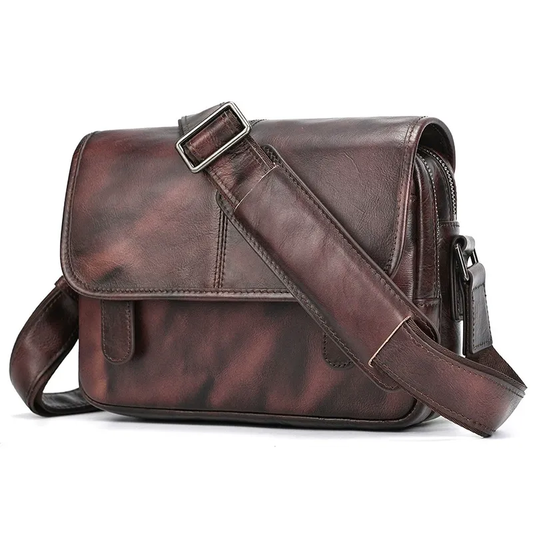
- Umhängetasche: ähnliche Größe, an einer Schulter getragen, langsamere Rotation, eher „Handtaschen“-Look, oft weniger sicher am Körper.
- Rucksack: 15–40 L, größtes Fassungsvermögen und Komfort für schwere Lasten, aber kein schneller Zugriff und leicht von hinten zu bestehlen, wenn unbeaufsichtigt.
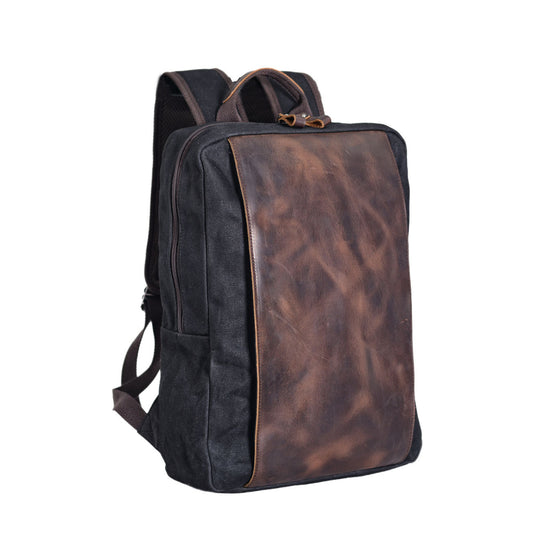
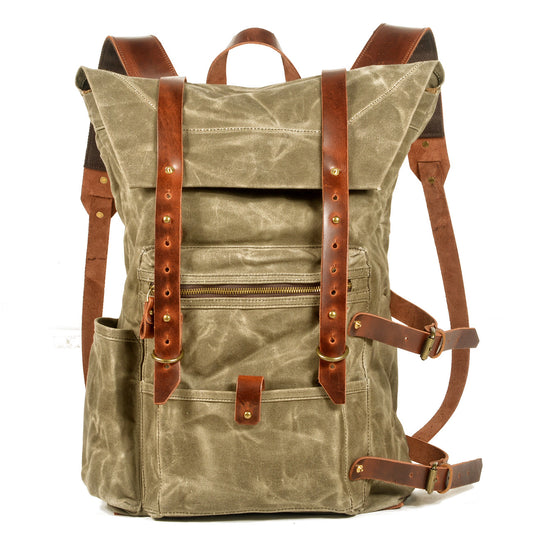
Wählen Sie eine Slingbag, wenn Ihre Last leicht ist und Geschwindigkeit zählt; wählen Sie einen Rucksack, wenn Sie Kleidung oder einen Laptop für einen ganzen Tag benötigen. Für eine lederorientierte Alltagsoption stöbern Sie in unseren Slingbags oder kombinieren Sie den Look mit einer Vintage-Canvas-Messenger Bag für größere Ausflüge. Wenn Sie mehr Kapazität benötigen, decken unsere echten Lederrucksäcke die Reisen mit schwerer Last ab, ohne auf Stil zu verzichten.
Häufige Kauffehler
Der erste Fehler ist, nur nach dem Aussehen zu wählen und den Gurt zu ignorieren. Eine schöne Tasche mit einem dünnen Gurt wird mittags schmerzhaft und landet am Ende in einer Hotelschublade. Der zweite ist, zu viel Kapazität zu kaufen; eine 10-Liter-Slingbag, die Sie nur zur Hälfte füllen, ist sperriger als nötig und schwingt mehr an Ihrer Hüfte. Der dritte ist, die versteckte Tasche wegzulassen – unterwegs ist ein Ort, den nur Sie fühlen können, mehr wert als eine zusätzliche Farboption. Der vierte ist, die Lederpflege zu vergessen; eine Tasche, die ohne Plan zur Pflege gekauft wurde, wird reißen, anstatt Patina zu entwickeln, und der Vintage-Look, für den Sie bezahlt haben, wird zu Vernachlässigung.
Budget- vs. Premium-Leder-Slingbags
Premium-Slingbags investieren in Vollnarbenleder, solide Beschläge und ein geprüftes Gurtsystem. Budget-Versionen verwenden oft gebundenes Leder, das reißt, und Kunststoffreißverschlüsse, die innerhalb einer Saison kaputt gehen. Sie brauchen nicht die teuerste Tasche, aber geben Sie genug aus, damit das Leder echt ist und der Reißverschluss eine bekannte Marke ist. Eine mittelpreisige Vollnarben-Slingbag wird drei billige überdauern und jedes Jahr besser aussehen, was sie zur kostengünstigeren Wahl macht, wenn man die Kosten pro Nutzung über ein Jahrzehnt Reisen berücksichtigt. Lesen Sie Bewertungen von Besitzern nach einem Jahr, nicht nur Unboxing-Videos, denn gebundenes Leder sieht am ersten Tag gut aus und versagt nach sechs Monaten. Dieser langfristige Blick ist der Unterschied zwischen einer Tasche, die Sie Freunden empfehlen, und einer, die Sie stillschweigend ersetzen.
Pflege von Vintage-Leder
Wischen Sie Staub wöchentlich mit einem trockenen Tuch ab. Pflegen Sie es alle paar Monate mit einer kleinen Menge Lederbalsam, insbesondere nach Reisen durch trockene oder sonnige Regionen, wo die Haut am schnellsten Feuchtigkeit verliert. Halten Sie die Tasche von längerer direkter Sonneneinstrahlung fern und stopfen Sie sie beim Lagern mit Papier aus, damit sie ihre Form behält und die Klappe sich nicht kräuselt. Ein wenig Pflege verwandelt eine neue Slingbag in eine personalisierte Vintage-Lederslingbag, die jedes Jahr besser aussieht und leise die Geschichte erzählt, wo sie gewesen ist, vom Pariser Regen über die Hitze Bangkoks bis zur Andenhöhe.
Häufig gestellte Fragen
Ist eine Lederslingbag zu schwer für Reisen?
Eine Vollnarben-Lederslingbag im Bereich von 5–8 L wiegt etwa 600–900 Gramm – spürbar, aber für das Nötigste handhabbar. Wenn das Gewicht entscheidend ist, suchen Sie nach einer Lederfrontplatte über einem leichteren Stoffkörper, die den Look beibehält und gleichzeitig die Last reduziert.
Wird Regen eine Lederslingbag ruinieren?
Leichter Nieselregen ist für behandeltes Leder in Ordnung, aber starker Regen kann Flecken verursachen. Tragen Sie einen Imprägnierbalsam auf und nehmen Sie eine packbare Hülle für Monsun- oder Winterreisen in Asien oder Europa mit, wo ein durchnässter Gurt Tage zum Trocknen benötigen und muffig werden kann.
Kann eine Slingbag einen Rucksack auf Reisen ersetzen?
Für Tagesausflüge und Städtereisen, ja. Für mehrtägige Reisen mit Kleidung und Laptop, nein – kombinieren Sie sie mit einer größeren Tasche und verwenden Sie die Slingbag für Wertsachen und tägliche Essentials, die jederzeit am Körper bleiben müssen.
Wie verhindere ich, dass die Tasche beim Gehen wackelt?
Verwenden Sie den Stabilisatorgurt über der gegenüberliegenden Schulter und ziehen Sie den Hauptgurt fest, damit die Tasche eng am Körper sitzt. Eine enge Passform eliminiert fast jedes Wackeln, und das Anpassen des Schiebers, sodass die Tasche an Ihren Rippen statt an Ihrer Hüfte liegt, hilft den meisten Menschen.
Wie lange hält eine hochwertige Lederslingbag?
Eine Vollnarben-Slingbag, die moderat gepflegt wird, wird täglich ein Jahrzehnt oder länger dienen. Die Beschläge können den Besitzer überdauern; das Leder gewinnt einfach an Charakter, was genau der Sinn des Kaufs von Vintage-Ware ist.
Fazit
Eine Vintage-Lederslingbag belohnt einen sorgfältigen Kauf. Priorisieren Sie ein reibungsloses Gurtsystem, die richtige Kapazität für Ihren Tag, Vollnarbenleder, das gut altert, und eine versteckte Tasche für Wertsachen. Quer über den Körper getragen und nach vorne gedreht, hält sie Ihre Essentials von europäischen U-Bahnen über asiatische Märkte bis hin zu Roadtrips in Amerika sicher und tut dies mit einem Stil, der umso besser wird, je länger Sie sie besitzen. Vermeiden Sie die häufigsten Kauffehler, wählen Sie echtes Leder anstatt gebundenes, und planen Sie ein wenig Pflege ein.
Wie man eine neue Lederslingbag einläuft
Vollnarbenleder ist anfangs fest und wird mit dem Gebrauch weicher. Tragen Sie die Tasche eine Woche lang täglich vor einer großen Reise, damit sich der Gurt an Ihre Schulter anpasst und die Klappe ihren Winkel lernt. Pflegen Sie sie leicht nach dem ersten Monat, nicht vorher, da eine übermäßige Pflege einer neuen Haut sie schlaff macht. Halten Sie die Tasche während des Einlaufens von direkter Hitze fern, da schnelles Trocknen die Maserung versteifen kann, anstatt sie zu entspannen. Eine eingelaufene Slingbag fühlt sich maßgeschneidert an, und die kleinen Kratzer aus den ersten Wochen werden Teil ihres Charakters, anstatt Mängel zu sein, die versteckt werden müssen. Geduld im ersten Monat zahlt sich für das restliche Jahrzehnt der Nutzung aus.
Reisedokumente und die Slingbag
Die versteckte Tasche existiert aus gutem Grund. Bewahren Sie Ihren Reisepass, eine Ersatzkarte und eine gefaltete Kopie Ihrer Reiseversicherung darin, dicht am Körper, durch jeden Transitknotenpunkt. Ein schlanker RFID-Schutz sorgt für zusätzliche Sicherheit in Regionen, in denen Kartenbetrug verbreitet ist, obwohl die physische Verdeckung wichtiger ist als die Technologie. Legen Sie niemals Ihr einziges Geld oder Ihre einzige ID in die leicht zugängliche Vordertasche; dieser Platz ist für Fahrkarten und Lippenbalsam, Dinge, die Sie sich leisten können, für einen Moment zu verlieren. Die Disziplin, was wohin gehört, macht eine Lederslingbag wirklich sicher und nicht nur stilvoll, und es ist eine Gewohnheit, die es wert ist, vor Ihrem ersten internationalen Flug entwickelt zu werden.
Wählen Sie mit den oben genannten Hinweisen und Sie werden weniger tragen und mehr genießen. Stöbern Sie in unseren Slingbags und Lederkollektionen, um eine Slingbag zu finden, die zu Ihrem Reiseleben passt.