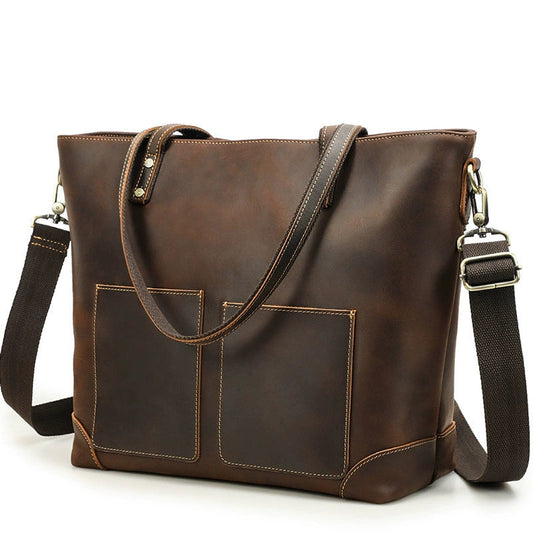
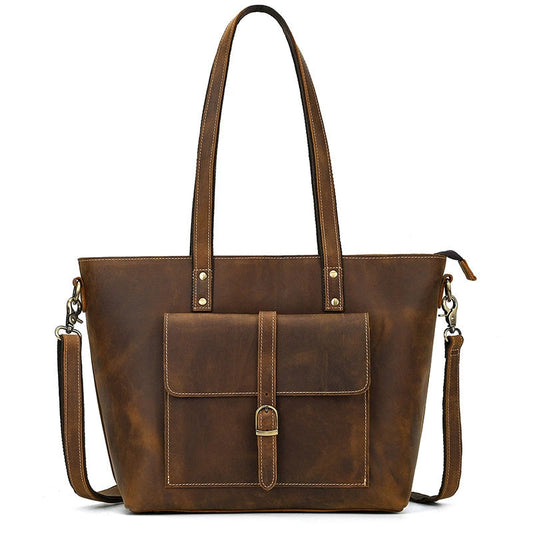
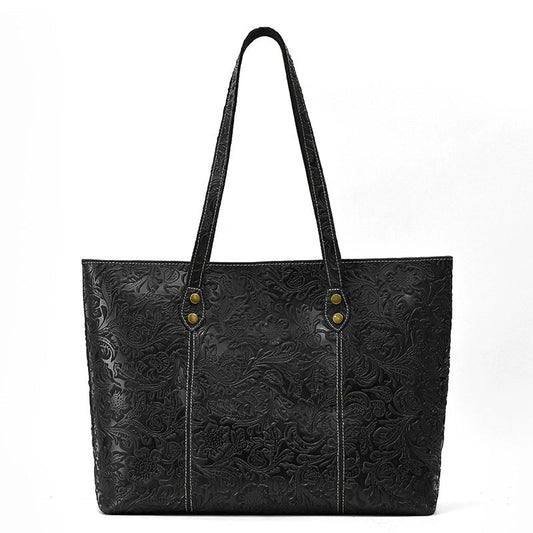
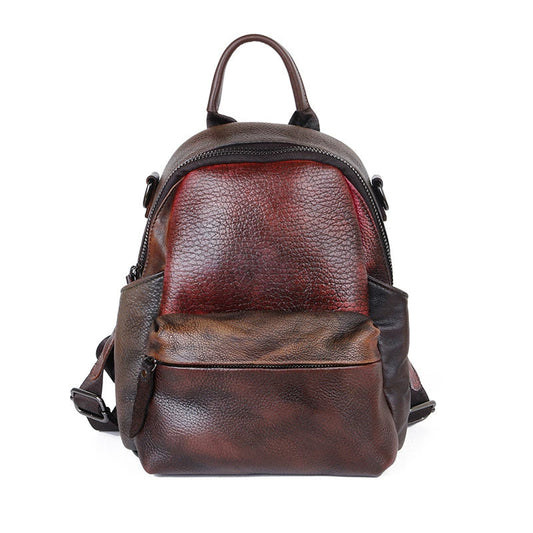

Vintage-Lederaktentasche vs. moderne Laptoptasche: Was Fachleute im Jahr 2026 tragen sollten

Die Vintage-Ledertasche erlebt einen unverkennbaren Moment. Wenn Sie im Jahr 2026 durch die Finanzviertel von London, Singapur oder New York gehen, werden Sie eine leise Spaltung bemerken: Die Hälfte der Fachleute trägt technische Nylon-Laptoptaschen voller Reißverschlüsse, und eine wachsende Zahl trägt Vollnarbenleder-Aktentaschen, die aussehen, als hätten sie Geschichten zu erzählen. Welche sollten Sie tragen? Dieser Leitfaden vergleicht die Vintage-Lederaktentasche mit der modernen Laptoptasche in Bezug auf Professionalität, Schutz, Langlebigkeit, Komfort und Kosten – mit regionalem Geschäftskulturkontext für Europa, Asien und Amerika –, damit Sie die richtige Entscheidung für Ihre Karriere und Ihren Arbeitsweg treffen können.
Warum die Vintage-Lederaktentasche 2026 zurück ist
Drei Kräfte treiben die Wiederbelebung an. Erstens stellte die Rückkehr ins Büro den natürlichen Lebensraum der Aktentasche wieder her: Hybride Fachleute pendeln jetzt zwei bis vier Tage pro Woche und treffen Kunden wieder persönlich. Zweitens schuf die Videoanruf-Müdigkeit eine Sehnsucht nach greifbarer, analoger Qualität – echten Materialien, Messingbeschlägen, sichtbaren Nähten. Drittens, Nachhaltigkeit: Eine Vollnarbenleder-Aktentasche ist eine Anschaffung für 20 bis 40 Jahre, während die durchschnittliche synthetische Laptoptasche alle drei bis fünf Jahre ersetzt wird.
Eine Lederaktentasche im Vintage-Stil kommuniziert etwas, das eine technische Tasche nicht kann: Beständigkeit, Urteilsvermögen und Liebe zum Detail. In kundennahen Berufen – Jura, Finanzen, Beratung, Architektur, Vertrieb – führen diese Signale immer noch zu Vertrauen. Wie ein geschäftsführender Partner es ausdrückte: „Niemand hat jemals einen Pitch verloren, weil seine Aktentasche zu gut aussah.“
- Erster Eindruck: Leder wirkt senior und durchdacht; Nylon wirkt junior oder technisch.
- Langlebigkeit: Vollnarbenleder entwickelt eine Patina und überdauert mehrere Laptops.
- Vielseitigkeit: Eine gute Aktentasche passt vom Sitzungssaal bis zur Business-Class-Kabine und zum Wochenendcafé.
- Wiederverkauf und Reparatur: Hochwertige Lederwaren behalten ihren Wert und können professionell restauriert werden.
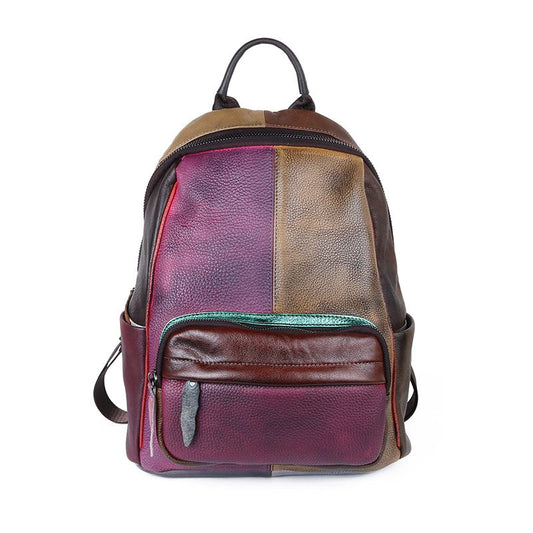
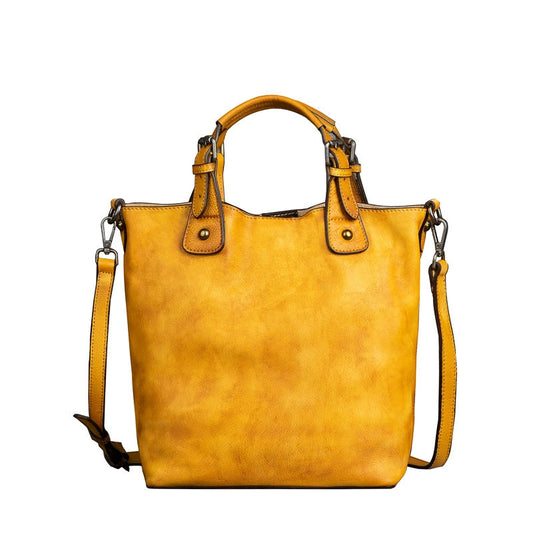
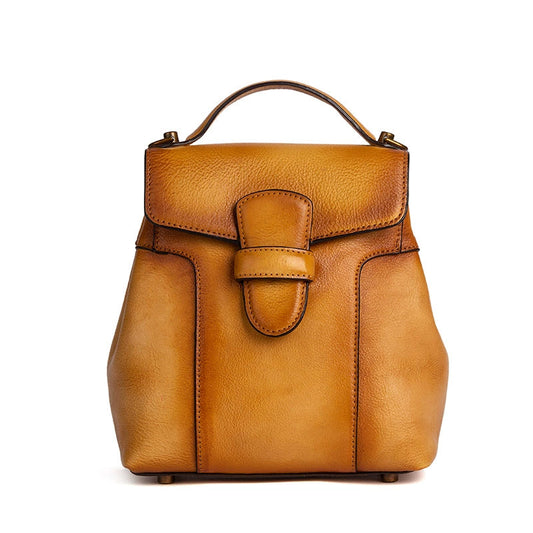
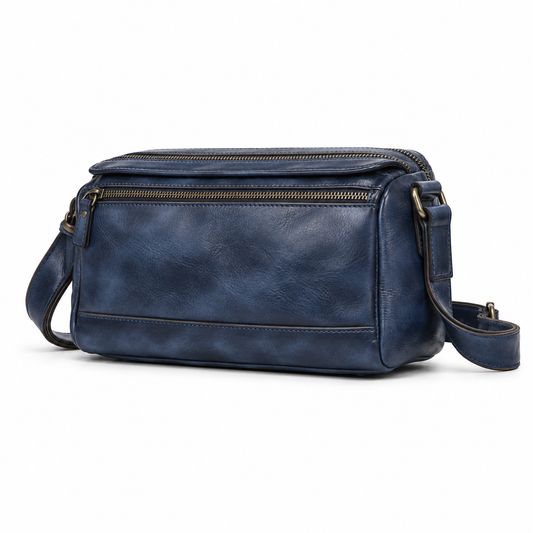
Um die Bandbreite der Kategorie zu sehen – Klapptaschen, klassische Aktentaschen mit zwei Fächern, schmale Portfolios – erkunden Sie die Kollektion echter Lederaktentaschen.
Was moderne Laptoptaschen richtig machen
Fairness zuerst: Die moderne Laptoptasche existiert, weil sie echte Probleme löst. Gepolsterte Fächer, die nach militärischen Fallteststandards konstruiert sind, wasserabweisende Außenhüllen, Trolley-Hüllen, spezielle Taschen für Ladegeräte, Kabel, Mäuse und Powerbanks. Wenn Ihr Job geräteintensiv ist – Außendiensttechnik, IT-Beratung, Fotografie – ist Organisation ein echtes Produktivitätsmerkmal.
- Schutz: Strukturierte Schaumstoffpolsterung schützt vor Stürzen und Stößen.
- Gewicht: Technische Stoffe halten das Leergewicht bei etwa 0,8–1,2 kg im Vergleich zu 1,5–2,5 kg bei Leder.
- Wetter: Versiegelte Reißverschlüsse und DWR-Beschichtungen trotzen Regengüssen.
- Organisation: Speziell angefertigte Taschen für jedes Zubehör.
Der Kompromiss liegt in Ästhetik und Material: Synthetische Taschen verschleißen sichtbar, veralten schnell, da Designs ständig wechseln, und kommunizieren Funktion statt Seniorität.
Vintage-Lederaktentasche vs. Laptoptasche: Der direkte Vergleich
| Faktor | Vintage-Lederaktentasche | Moderne Laptoptasche |
|---|---|---|
| Professioneller Eindruck | Gehoben, senior, zeitlos | Neutral bis lässig/technisch |
| Laptopschutz | Gut mit gepolstertem Einschub | Hervorragend von Anfang an |
| Haltbarkeit | 20–40 Jahre; verbessert sich mit dem Alter | 3–7 Jahre; verschleißt sichtbar |
| Gewicht | 1,5–2,5 kg leer | 0,8–1,2 kg leer |
| Witterungsbeständigkeit | Gut bei Pflege; Durchnässen vermeiden | Ausgezeichnet |
| Organisation | 2–3 Fächer, einfach | 10+ speziell angefertigte Taschen |
| Reparierbarkeit | Vollständig reparierbar durch Schuster/Lederarbeiter | Selten reparierbar |
| Kosten über 10 Jahre | Eine Anschaffung, geringe Pflegekosten | 2–3 Ersatzanschaffungen typisch |
Professionelles Signal und erster Eindruck
Forschungsergebnisse zum ersten Eindruck zeigen immer wieder, dass Accessoires als bewusste Entscheidungen wahrgenommen werden, im Gegensatz zu Merkmalen, die man nicht beeinflussen kann. Eine Vintage-Lederaktentasche signalisiert, dass Sie Entscheidungen langfristig treffen – genau die Eigenschaft, die Kunden bei einem Berater wünschen. In kreativen und technischen Bereichen ist die Kalkulation weicher, aber auch dort ist Leder von „Corporate“ zu „Craft“ gewandert und passt zur Maker-Kultur, die diese Branchen feiern.
Technischer Schutz: Auch bei Leder lösbar
Der größte echte Vorteil der Laptoptasche – der gepolsterte Schutz – ist mit einer 20-Dollar-Neoprenhülle in Ihrer Aktentasche gelöst. Hülle plus Vollnarbenlederhülle bietet tatsächlich hervorragenden Schutz: Leder ist stichfest, reißt bei Kälte nicht und absorbiert Stöße besser als dünne Nylonwände. Für Kabel und Ladegeräte sorgt ein kleines Leder- oder Canvas-Etui für Ordnung im Inneren, ohne dass fünfzehn eingebaute Taschen benötigt werden.
Langlebigkeit und die tatsächlichen Kosten pro Jahr
Rechnen Sie nach. Eine hochwertige Lederaktentasche für 250–400 $, zweimal im Jahr gepflegt, hält über 20 Jahre: Das sind etwa 15–20 $ pro Jahr. Eine 120 $ teure technische Laptoptasche, die alle vier Jahre ersetzt wird, kostet 30 $ pro Jahr – und sieht die Hälfte ihrer Lebensdauer abgenutzt aus. Vollnarbenleder ist die seltene Produktkategorie, bei der die Premium-Option auch die sparsame ist.
Komfort und der Arbeitsweg
Das Gewicht spricht für Nylon, aber der Tragestil ist wichtiger. Wählen Sie eine Aktentasche mit abnehmbarem, gepolstertem Schultergurt, und Sie verteilen die Last auf dem Zugweg bequem. Viele Vintage-Designs verfügen heute über einen hinteren Trolley-Gurt für Reisegepäck. Wenn Ihr Arbeitsweg Radfahren beinhaltet, sollten Sie eine Ledertasche oder ein wandelbares Design anstelle einer starren Aktentasche mit zwei Fächern in Betracht ziehen.

Regionale Unternehmenskultur: Was wo gut ankommt
Europa
In London, Frankfurt, Paris und Mailand ist die Lederaktentasche nie wirklich verschwunden. Die kontinentale Geschäftskultur schätzt Understatement und Materialqualität; eine patinierte braune oder dunkelbraune Aktentasche passt nahtlos vom Kunden-Sitzungssaal bis zum Erste-Klasse-Zugabteil. Schwarzes Leder bleibt die sicherste Wahl in deutschsprachigen Märkten und in Rechtskreisen.
Asien
In Tokio, Seoul, Hongkong und Singapur ist die Präsentationsdisziplin hoch und auf Details wird geachtet. Eine strukturierte, gut gepflegte Aktentasche in Dunkelbraun oder Schwarz entspricht den Erwartungen im Bank- und Rechtswesen. In Chinas Tech-Hubs ist die Stimmung entspannter, aber Leder genießt in kundenorientierten Besprechungen immer noch Respekt. Entscheidend ist Qualität ohne Protzigkeit – Handwerkskunst statt Logos – das ist die Erfolgsformel in den meisten asiatischen Geschäftskulturen.
Amerika
Die New Yorker Finanzwelt und die Washingtoner Rechtsbranche bleiben Aktentaschen-Territorium, wobei Vintage-Stile zunehmend als selbstbewusst statt altmodisch wahrgenommen werden. An der Westküste und in den lateinamerikanischen Startup-Szenen gleicht eine weichere Ledertasche oder Messenger Bag den Unterschied zwischen Eleganz und Zugänglichkeit aus. In Brasilien und Mexiko spielt die persönliche Präsentation im beziehungsorientierten Geschäft eine wichtige Rolle – Leder hilft dabei.
So wählen Sie eine Vintage-Lederaktentasche: Einkaufsführer
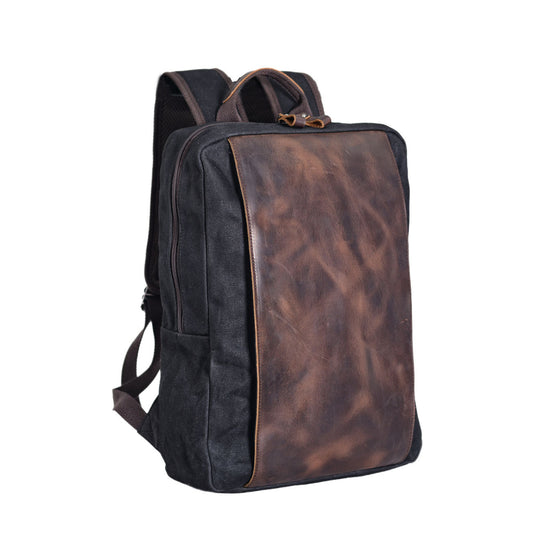
- Lederqualität: Bestehen Sie auf Vollnarbenleder oder Top-Grain-Leder. Vollnarben-Crazy-Horse-Leder entwickelt die schnellste, reichste Patina und kaschiert Kratzer mit einem Daumenstrich.
- Konstruktion: Achten Sie auf Sattlerstiche oder dichte Doppelsteppstiche, verstärkte Ecken und einen strukturierten Boden mit Füßen.
- Beschläge: Massive Messingschnallen und YKK- oder gleichwertige Reißverschlüsse; vermeiden Sie beschichtetes Zinkdruckguss, das abblättert.
- Größe: Ein 15–16 Zoll Laptopfach deckt die meisten Geräte ab; überprüfen Sie die Innenmaße (nicht die Außenmaße).
- Tragemöglichkeiten: Ein Tragegriff oben plus abnehmbarer Schultergurt ist der vielseitige Standard; eine Trolley-Hülle ist ein Bonus für Flieger.
- Innenraum: Ein oder zwei Trennwände sind besser als ein Labyrinth von Taschen; Baumwoll- oder Canvas-Futter ist haltbarer als glänzendes Polyester.
- Farbe: Dunkelbraun ist am vielseitigsten; Tan altert am dramatischsten; Schwarz ist der konservative sichere Hafen.
Vergleichen Sie die Silhouetten nebeneinander in der Aktentaschenkollektion, die von schlanken Portfolios bis hin zu vollen Vintage-Designs mit doppelter Fächerung reicht. Und da ein Aktentaschen-Upgrade oft einen müden Geldbeutel entlarvt, ergänzen viele Profis das Set mit einem schlanken Begleiter aus der Ledergeldbörsen-Kollektion.
Pflege Ihrer Lederaktentasche
- Alle vier bis sechs Monate mit einem neutralen Lederbalsam pflegen – häufiger in trockenen oder klimatisierten Umgebungen.
- In den Regen gekommen? Mit einem Tuch abtupfen, bei Raumtemperatur fern von Heizkörpern lufttrocknen lassen, dann nach dem Trocknen pflegen.
- Mit Papier ausgestopft auf einem Regal lagern, niemals langfristig am Riemen hängen lassen.
- Inhalt rotieren, um dauerhafte Ausbuchtungen zu vermeiden; Leder merkt sich das.
- Schrammen auf Crazy-Horse-Leder lassen sich normalerweise mit Fingertippwärme auspolieren; tiefere Kratzer verleihen Charakter.
Eine Woche im Leben: Die Vintage-Lederaktentasche im Einsatz
Abstrakte Vergleiche helfen, aber stellen Sie sich eine gewöhnliche Arbeitswoche vor. Montag ist ein Kundengespräch: Ihre Aktentasche liegt auf dem Konferenztisch neben Laptops und Kaffeetassen, und sie gehört dorthin – ein Qualitätsobjekt unter Werkzeugen. Mittwoch ist eine Bahnfahrt und dicht gedrängte interne Meetings; der Schultergurt trägt die Last durch die Bahnhofsmenge, und der strukturierte Boden lässt die Tasche aufrecht neben Ihrem Schreibtisch stehen, anstatt zu einer Stolperfalle zu werden. Freitag endet mit einem Flug: Die Trolley-Hülle gleitet über Ihren Handgepäckgriff, die Aktentasche gilt als Ihr persönlicher Gegenstand, und im Hotel dient sie als Übernachtungsorganizer für Dokumente, Ladegeräte und ein Taschenbuch.
Nun stellen Sie sich die gleiche Woche mit einer technischen Laptoptasche vor. Sie erfüllt jede funktionale Aufgabe ausreichend – aber beim Pitch wirkt sie wie Ausrüstung, nicht wie Präsenz; am Flughafen ist sie nur ein weiteres schwarzes Nylonrechteck unter Hunderten. Die Aktentasche kann alles, was die Laptoptasche kann, mit einer zusätzlichen Hülle, und sie kann eine Sache, die die Laptoptasche niemals können wird: Sie repräsentiert Sie, bevor Sie ein Wort sagen.
Was man in einer professionellen Aktentasche aufbewahren sollte (und was nicht)
- Täglicher Kern: Laptop in einer schlanken Hülle, Notizbuch und Stift, Telefonladegerät und ein Kabel, Visitenkarten, schlanke Geldbörse.
- Meeting-Kit: Gedruckte Agenda oder Portfolio, ein funktionierender Ersatzstift, Atemerfrischer.
- Reisezubehör: Passetui, kompakte Powerbank, gefaltete Tragetasche für Dokumente, die Sie erhalten.
- Weglassen: Das zweite Ladegerät, die drei Monate alten Quittungen, der vorsorgliche Regenschirm, der besser im Büro aufgehoben ist. Eine Aktentasche trägt sich am besten mit zwei Dritteln Fassungsvermögen, und Leder behält seine Form, wenn es nicht überladen ist.
Häufige Fehler beim Kauf einer Lederaktentasche
- Auf "Echtleder"-Etiketten hereinfallen. Kontraintuitiv ist "echtes Leder" die niedrigste brauchbare Qualität. Bestehen Sie auf Vollnarbenleder oder Top-Grain-Leder; fragen Sie, welches der Hersteller verwendet, und gehen Sie bei vagen Antworten weg.
- Zu groß kaufen. Eine übergroße Aktentasche sieht aus wie Gepäck und verleitet zum Überpacken. Wenn Sie einen 14-Zoll-Laptop tragen, ist eine schlanke 15-Zoll-Tasche die Obergrenze für den täglichen Gebrauch.
- Den Riemen ignorieren. Eine schöne Tasche mit einem dünnen, rutschigen Riemen wird bis Donnerstag zu einer schulterzerstörenden Last. Achten Sie auf einen breiten, gepolsterten, abnehmbaren Riemen mit massiven Metallclips.
- Beschläge zuletzt beurteilen. Reißverschlüsse und Verschlüsse sind die beweglichen Teile, die zuerst versagen. Testen Sie jeden Reißverschluss und jede Schnalle persönlich oder prüfen Sie Bewertungen speziell auf Beschwerdefälle bei Beschlägen.
- Perfektion von Naturleder erwarten. Naturmerkmale, leichte Farbabweichungen und Narben sind ein Beweis für die Authentizität des Vollnarbenleders, keine Mängel. Gleichmäßige, plastikglatte Oberflächen bedeuten normalerweise stark korrigiertes oder Spaltleder.
- Die erste Pflege überspringen. Neues Leder wird aufgrund der Lagerung leicht trocken geliefert. Eine leichte Pflege in der ersten Woche bereitet die Tasche auf Jahrzehnte vor.
Das Nachhaltigkeitsargument für den einmaligen Lederkauf
Fachleute wägen zunehmend die Umweltverträglichkeit neben dem Stil ab, und die Arithmetik spricht für Langlebigkeit. Eine synthetische Laptoptasche ist ein Erdölprodukt mit einer Funktionsdauer von wenigen Jahren und keinem realistischen Recyclingweg; multipliziert über eine vierzigjährige Karriere, sind das acht bis zwölf Taschen auf der Mülldeponie. Eine Vollnarbenleder-Aktentasche, zweimal im Jahr gepflegt und vielleicht einmal im Jahrzehnt neu genäht, deckt die gleiche Karriere mit einem einzigen Objekt ab – und Leder als Nebenprodukt der Lebensmittelindustrie hat einen materiell anderen Fußabdruck als Neuplastik, das für die Entsorgung hergestellt wird. Haltbarkeit ist die am meisten unterschätzte Form der Nachhaltigkeit, und nichts in der professionellen Garderobe demonstriert dies besser als eine Aktentasche, die die Laptops in ihr überdauert.
Es gibt auch eine menschliche Dimension: Ein reparierbares Objekt unterstützt eine Reparaturwirtschaft. Schuster, Lederarbeiter und Restaurierungsspezialisten können Nähte erneuern, Riemen ersetzen und ausgetrocknetes Leder wiederbeleben – Fähigkeiten, die verschwinden, wenn alles, was wir tragen, Einwegartikel sind. Die Wahl von Leder ist, leise, eine Stimme für diese Wirtschaft.

Vintage-Lederaktentaschen-Stile erklärt: Welche Silhouette passt zu Ihrer Arbeit?
"Vintage-Lederaktentasche" umfasst verschiedene Silhouetten, und die Wahl der richtigen ist ebenso wichtig wie die Wahl des Leders überhaupt:
- Der klassische Doppel-Gusset: Zwei erweiterbare Fächer, Umschlagklappe, Schnallen- oder Verschluss. Die formellste und geräumigste Option – ideal für Anwälte, Banker und alle, die neben einem Laptop noch Papier bewegen.
- Die schlanke Portfolio-Aktentasche: Ein einziges Reißverschlussfach, minimale Beschläge, oft unter 8 cm tief. Perfekt für den Laptop-und-Notizbuch-Profi, der Eleganz ohne Volumen wünscht, und die einfachste Silhouette für Abendessen nach der Arbeit.
- Die Klapptasche (Satchel): Weichere Konstruktion, längerer Riemen, entspannter Vintage-Charakter. Sie überbrückt kreative und geschäftliche Umgebungen und funktioniert besonders gut in der Wissenschaft, den Medien und im Design.
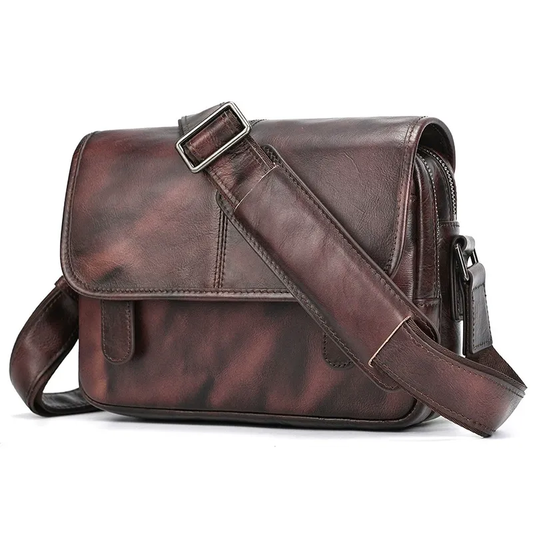
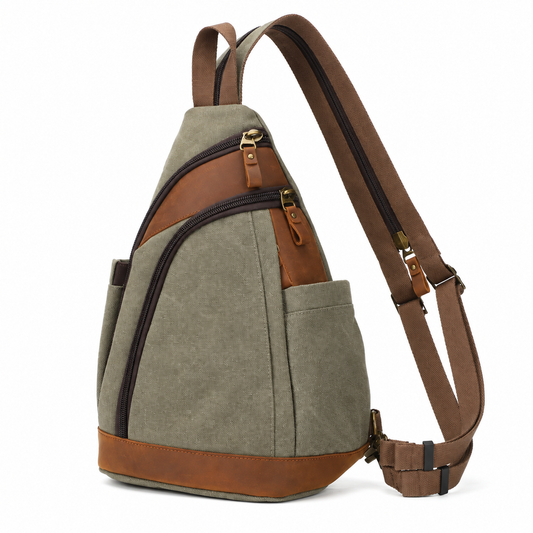
- Die wandelbare Akten-Messenger-Tasche: Ein strukturierter Korpus mit sowohl einem oberen Griff als auch einem robusten Umhängegurt, manchmal versteckte Rucksackgurte. Der Kompromiss für Pendler, die mit dem Fahrrad fahren oder lange zu Fuß gehen.
Passen Sie die Silhouette an Ihr formellstes wiederkehrendes Meeting an, nicht an Ihren lässigsten Tag – es ist viel einfacher, eine edle Aktentasche mit lässiger Kleidung herunterzustufen, als eine schlaffe Satchel für einen Sitzungssaal aufzuwerten.
Farbe und Patina: Das Leder wählen, das so altert, wie Sie es wünschen
Die Farbwahl bei Leder ist eigentlich eine Entscheidung darüber, wie die Tasche in fünf Jahren aussehen wird. Schwarzes Leder altert fast vollständig und bleibt formell – die richtige Wahl für Konservatismus in Recht und Finanzen. Dunkelbraun beginnt raffiniert und wird subtil reicher, der vielseitigste Weg für Profis in allen Branchen und auf allen Kontinenten. Hellbraun und Cognac verändern sich am dramatischsten: Innerhalb eines Jahres täglichen Gebrauchs werden Griffe dunkler, Kanten polieren sich, und die Tasche wird unverkennbar zu Ihrer. Crazy-Horse-Finishes beschleunigen diese Geschichte und entwickeln innerhalb von Monaten sichtbaren Charakter. Wenn Sie Ihre Aktentasche als Arbeitswerkzeug betrachten, wählen Sie Schwarz oder Dunkelbraun; wenn Sie sie als Begleitobjekt betrachten, dessen Spuren Ihre Karriere dokumentieren, wählen Sie Hellbraun und lassen Sie die Zeit die Veredelung übernehmen.
Ihre neue Aktentasche einlaufen
Eine hochwertige Vollnarbenleder-Aktentasche wird konstruktionsbedingt steif geliefert – eine Struktur, die sich im ersten Monat des Gebrauchs entspannen und anpassen wird. Beschleunigen Sie den Vorgang sanft: Beladen Sie sie mit Ihrem normalen täglichen Inhalt, biegen Sie die Klappe und die Seitenfalten jeden Abend von Hand und tragen Sie sie täglich, anstatt sie für besondere Anlässe aufzuheben. Vermeiden Sie Abkürzungen wie Ölen oder Hitze, die Leder zu stark aufweichen und die Silhouette ruinieren. Nach der vierten Woche wird sich der Griff an Ihren Griff angepasst haben, der Riemen wird natürlich auf Ihrer Schulter sitzen und die Tasche wird sich mit vertrauter Leichtigkeit öffnen. Diese Einlaufphase ist kein Fehler; es ist der Beginn einer Tasche, die unverkennbar zu Ihrer wird.
Häufig gestellte Fragen
Ist eine Vintage-Lederaktentasche professionell genug für Tech-Unternehmen?
Ja – im Jahr 2026 hat das Pendel ausgeschlagen. Leder wirkt jetzt handwerklich und bewusst statt steif und korporativ. Eine weichere, weniger strukturierte Ledertasche gleicht den Unterschied in lässigen Umgebungen perfekt aus.
Schützt eine Lederaktentasche meinen Laptop ohne Hülle?
Vollnarbenleder bietet soliden Schutz vor Stößen und Durchstichen, aber eine dünne gepolsterte Hülle ist eine günstige Versicherung und für den täglichen Pendelverkehr mit Bahn oder Fahrrad empfehlenswert.
Wie schwer ist eine Lederaktentasche für den täglichen Pendelverkehr?
Rechnen Sie mit 1,5–2,5 kg Leergewicht. Mit einem Laptop und dem Nötigsten tragen Sie insgesamt 4–5 kg; ein gepolsterter Schultergurt macht dies für typische Pendelwege bequem.
Was ist Crazy-Horse-Leder und warum ist es für Vintage-Aktentaschen so beliebt?
Crazy Horse ist vollnarbiges Leder, das mit Wachsen behandelt wird, die ihre Farbe ändern, wenn sie gerieben oder gebogen werden, wodurch ein Used-Look entsteht, der sich mit der Zeit vertieft. Es verbirgt tägliche Kratzer besser als jede andere Oberfläche, was es ideal für strapazierfähige Pendeltaschen macht.
Vintage-Lederaktentasche oder Messenger Bag – was ist besser für das Geschäft?
Eine strukturierte Aktentasche passt zu formellen, kundenorientierten Rollen; eine Messenger Bag passt zu Fahrradpendlern und lässigen Büros. Wenn Sie auch nur gelegentlich an formellen Besprechungen teilnehmen, ist die Aktentasche die sicherere Einzelinvestition.
Das Urteil: Was sollten Fachleute 2026 tragen?
Wenn Ihre Arbeit viel Ausrüstung erfordert und Ihr Umfeld technisch ist, hat eine moderne Laptoptasche ihre Berechtigung. Für alle anderen gewinnt die Vintage-Lederaktentasche das jahrzehntelange Spiel: Sie schützt Ihre Technik mit einem einfachen Einschub, wertet jeden ersten Eindruck von Frankfurt über Singapur bis New York auf, kostet pro Jahr weniger als Einweg-Synthetik-Taschen und verwandelt tägliche Abnutzung in Charakter statt Verfall. In einer Zeit, in der so viel vom Berufsleben virtuell und flüchtig ist, ist das Tragen einer Vintage-Lederaktentasche eine kleine, tägliche Erklärung, dass Sie Dinge auf Dauer bauen – einschließlich Ihres Rufs.