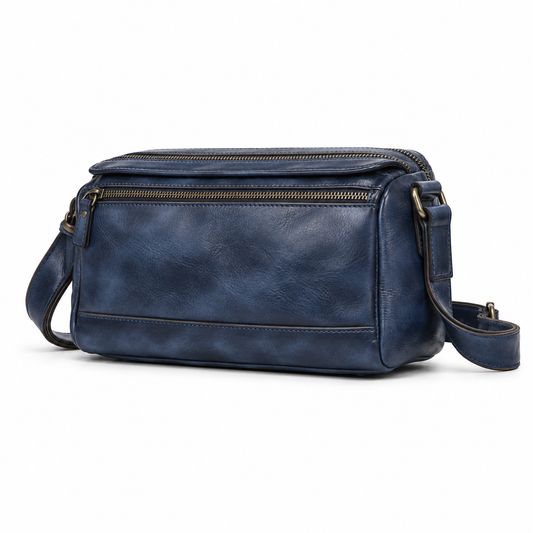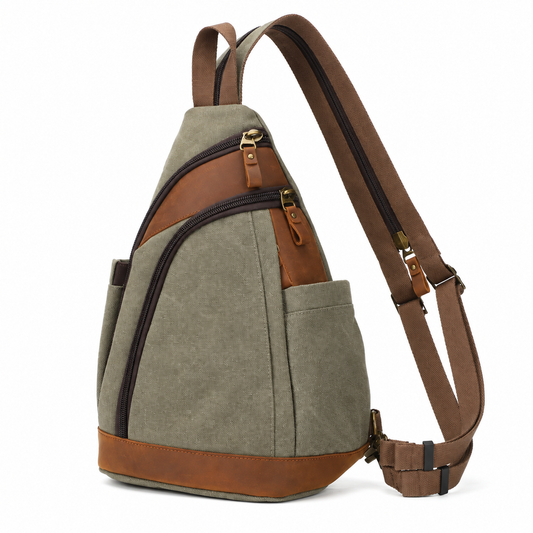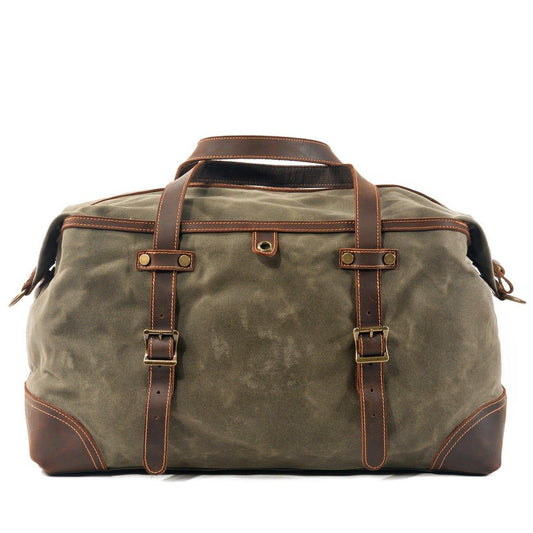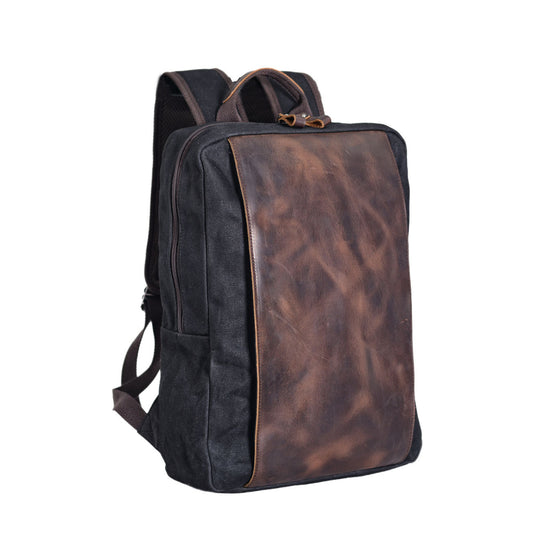
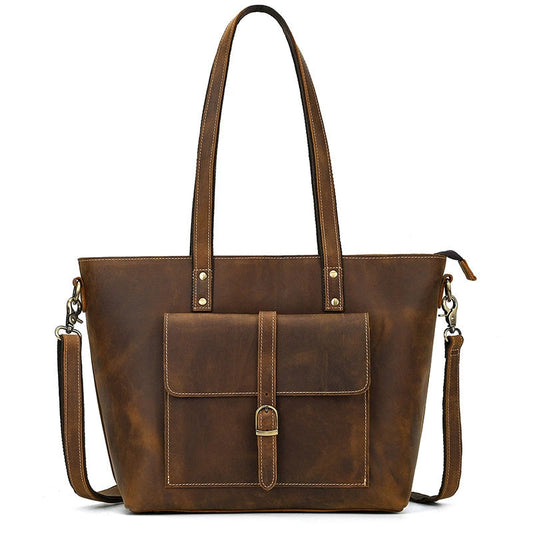

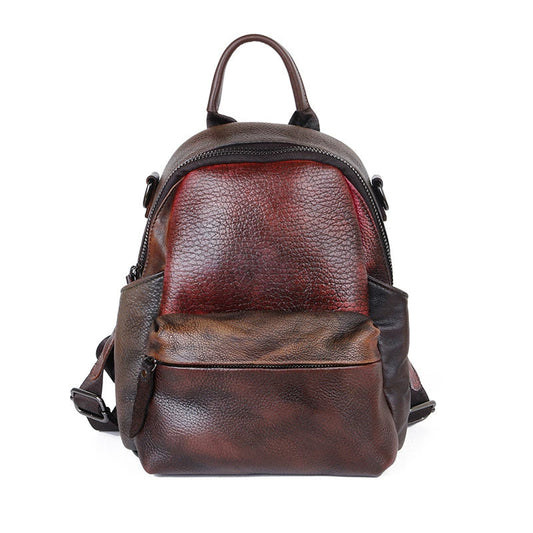

Vintage Lederrucksack vs. Canvas-Rucksack: Welcher Reisebegleiter gewinnt im Jahr 2026?

Wenn es um die Wahl eines Reiserucksacks geht, gibt es wenige Debatten, die so viel Leidenschaft wecken wie die zwischen einem Vintage-Lederrucksack und einem Canvas-Rucksack. Beide Materialien haben eine lange Geschichte – Leder wird seit Jahrhunderten verwendet, während gewachstes Canvas das goldene Zeitalter der Erkundung prägte. Im Jahr 2026 bleiben diese beiden klassischen Materialien die erste Wahl für Reisende, die Wert auf Haltbarkeit, Ästhetik und Nachhaltigkeit legen, anstatt auf synthetisches Einweggepäck. Aber welches verdient einen Platz bei Ihrem nächsten Abenteuer?
Dieser Leitfaden beleuchtet jeden wichtigen Faktor: Gewicht, Wetterbeständigkeit, Haltbarkeit, Stil, Pflege und Kosten. Ob Sie durch europäische Bahnhöfe pendeln, südostasiatische Pfade erkunden oder nordamerikanische Flughäfen navigieren – das richtige Material kann Ihre Reise entscheidend beeinflussen. Tauchen wir ein in das ultimative Duell: Vintage-Lederrucksack vs. Canvas-Rucksack.
Gewicht: Das Erste, was Sie bemerken werden
Das Gewicht ist oft der ausschlaggebende Faktor bei der Entscheidung zwischen Vintage-Lederrucksack und Canvas-Rucksack. Ein Vollnarben-Lederrucksack wiegt leer typischerweise zwischen 1,5 kg und 2,5 kg. Gewachste Canvas-Rucksäcke wiegen hingegen meist zwischen 0,8 kg und 1,5 kg. Das ist ein Unterschied von etwa 1 kg – ungefähr das Gewicht einer gefüllten Wasserflasche oder einer Kompaktkamera.
Für Flugreisende, die auf die Gewichtsgrenzen für Handgepäck achten müssen (besonders bei europäischen Billigfluglinien wie Ryanair und easyJet, wo 10 kg Standard sind), ist dieses Kilogramm entscheidend. Für Roadtripper oder Bahnreisende mit weniger restriktiven Grenzen wird das zusätzliche Gewicht von Leder akzeptabler. Stöbern Sie in unserer Kollektion echter Lederrucksäcke, um die Gewichte verschiedener Stile zu vergleichen.
Wetterbeständigkeit: Canvas überrascht viele Reisende
Hier wird der Vergleich zwischen Vintage-Lederrucksack und Canvas-Rucksack interessant. Viele gehen davon aus, dass Leder wetterbeständiger ist, aber die Wahrheit ist nuancierter.
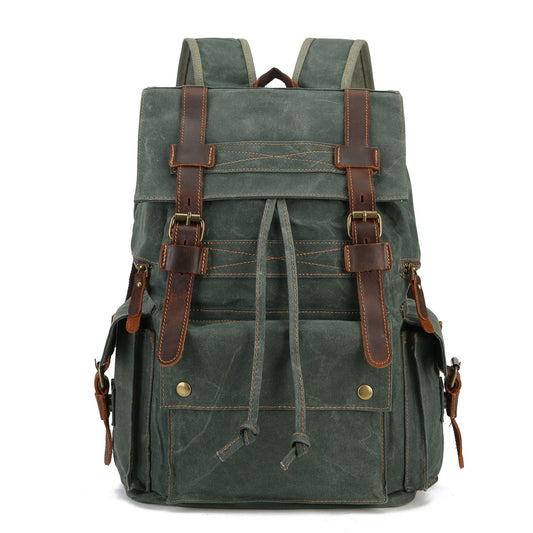
Gewachstes Canvas ist dank seiner Wachsimprägnierung von Natur aus wasserabweisend. Regen perlt ab. Bei leichtem bis mäßigem Regen hält ein gewachster Canvas-Rucksack den Inhalt ohne zusätzliche Behandlung trocken. Bei anhaltendem starkem Regen dringt Wasser jedoch irgendwann durch Nähte und Reißverschlüsse.
Leder bietet anfangs eine gute Wasserbeständigkeit, aber längere Exposition verursacht ernsthafte Schäden. Wasser entzieht dem Leder natürliche Öle, was zu Steifheit, Rissbildung und Verfärbung führt. Ein Lederrucksack, der in einen plötzlichen Sturm gerät, muss anschließend sofort getrocknet und gepflegt werden.
| Wetterfaktor | Vintage-Leder | Gewachstes Canvas |
|---|---|---|
| Leichter Regen | Gut (trocken wischen) | Exzellent (perlt ab) |
| Starker Regen | Schlecht (saugt auf, fleckt) | Mäßig (Nähte können undicht werden) |
| Schnee | Schlecht (Feuchtigkeitsschaden) | Gut (Schnee perlt ab) |
| Luftfeuchtigkeit | Mäßig (kann Schimmel entwickeln) | Gut (atmungsaktiv) |
| Erholung nach Nässe | Benötigt Pflege | Lufttrocknen, jährlich neu wachsen |
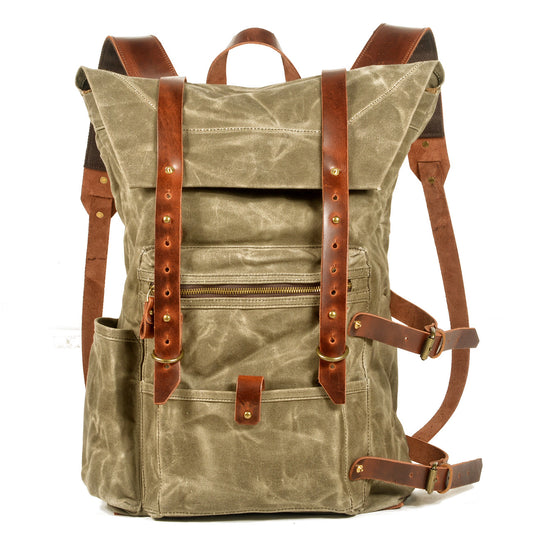
Für Reisende, die in regnerische Gegenden wie London, Seattle oder Südostasien während der Monsunzeit reisen, hat gewachstes Canvas einen klaren Vorteil. Entdecken Sie unsere Kollektion an gewachsten Canvas-Taschen für wettertaugliche Optionen.
Haltbarkeit und Alterung: Zwei verschiedene Arten von Robustheit

Beide Materialien in der Debatte Vintage-Lederrucksack vs. Canvas-Rucksack sind außergewöhnlich haltbar – aber sie altern unterschiedlich.
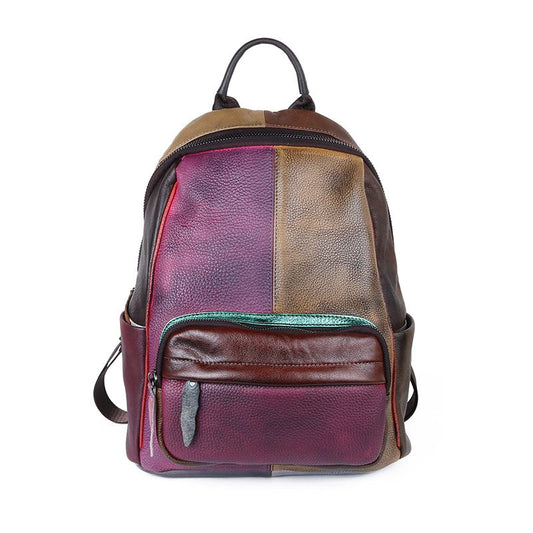
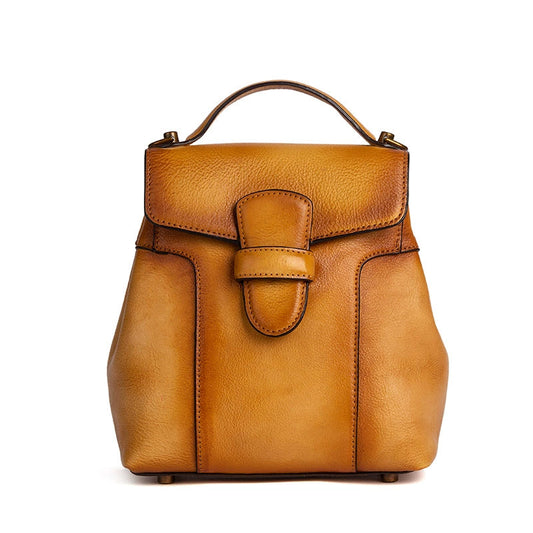
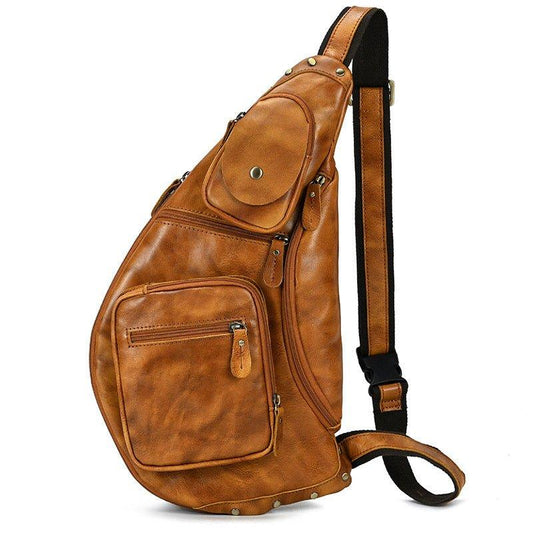
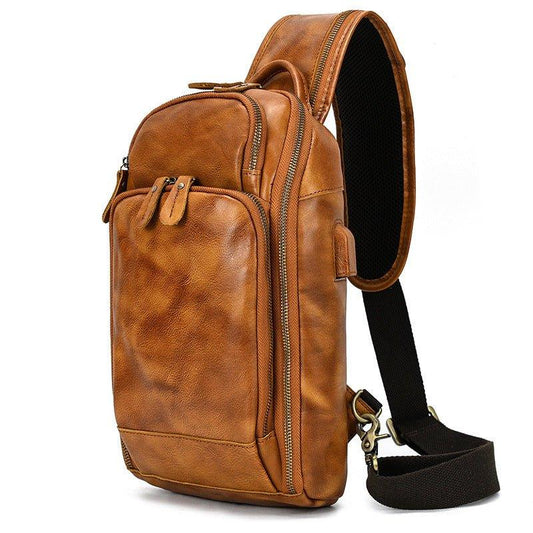
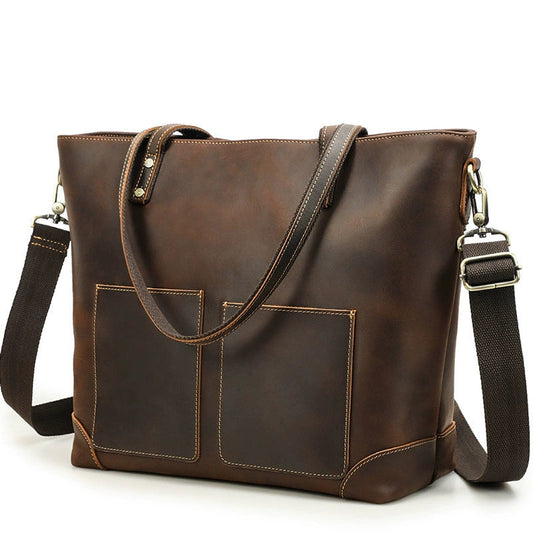
Vollnarbenleder kann bei richtiger Pflege leicht 20–30 Jahre halten. Es entwickelt eine reiche Patina – die Oberfläche dunkelt ab und glänzt an häufig berührten Stellen, wodurch ein einzigartiger, personalisierter Look entsteht. Kratzer und Schrammen verschmelzen mit der Patina, anstatt wie Beschädigungen auszusehen. Ein gut gepflegter Lederrucksack sieht nach fünf Jahren oft besser aus als am ersten Tag.
Gewachstes Canvas hält bei starkem Gebrauch typischerweise 10–15 Jahre. Es entwickelt keine Patina im traditionellen Sinne, aber es entwickelt Charakter – die Wachsbeschichtung erzeugt subtile Knitterspuren, und der Stoff wird wunderbar weich. Canvas kann unter extremer Abnutzung (scharfe Steine, Metallkanten) reißen, während Leder im gleichen Szenario typischerweise nur Kratzer bekommen würde.
Stil und Vielseitigkeit: Wohin Sie gehen, ist wichtig
Stil ist subjektiv, aber der Kontext spielt bei der Entscheidung zwischen Vintage-Lederrucksack und Canvas-Rucksack eine enorme Rolle.
Lederrucksäcke glänzen in urbanen und professionellen Umgebungen. Mit einem Vintage-Lederrucksack zu einem Geschäftstreffen in Mailand, in ein Pariser Café oder in einen Tokioter Coworking Space zu gehen, signalisiert Raffinesse. Leder passt natürlich zu Business-Casual-Kleidung und geht nahtlos vom Flughafen zum Sitzungssaal über.
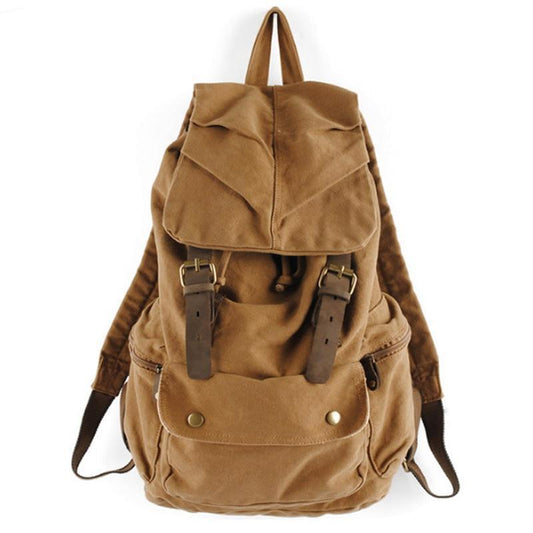
Canvas-Rucksäcke dominieren in Outdoor- und legeren Umgebungen. Sie passen perfekt zu Wanderwegen in den Schweizer Alpen, Strandstädten in Thailand oder Wochenmärkten in Portland. Canvas strahlt eine zugängliche, abenteuerliche Atmosphäre aus, die Leder nicht ganz erreichen kann.
Die ideale Lösung für viele Reisende? Beides besitzen. Den Lederrucksack für Geschäftsreisen und Städtetrips verwenden; den Canvas-Rucksack für Outdoor-Abenteuer und lässige Reisen mitnehmen.
Pflege: Die versteckten Kosten des Besitzes
Die Pflege ist der Punkt, an dem viele Reisende das Engagement für einen Vintage-Lederrucksack vs. Canvas-Rucksack unterschätzen.
Pflege routine für Leder:
- Alle 3–6 Monate mit einem hochwertigen Lederpflegemittel behandeln
- Nach Kontakt mit Schmutz oder Salz mit einem feuchten Tuch reinigen
- In einem Staubbeutel an einem kühlen, trockenen Ort aufbewahren
- Längere direkte Sonneneinstrahlung vermeiden (verursacht Ausbleichen und Austrocknen)
- Niemals scharfe chemische Reiniger verwenden
Pflege routine für Canvas:
- Getrockneten Schmutz und Ablagerungen mit einer weichen Bürste abbürsten
- Flecken mit einem feuchten Tuch und milder Seife reinigen
- Alle 12–18 Monate neu wachsen (DIY oder professioneller Service)
- Vor der Lagerung vollständig an der Luft trocknen
- Maschinenwäsche vermeiden (entfernt die Wachsbeschichtung)
Leder erfordert häufigere Aufmerksamkeit, aber weniger Spezialwissen. Canvas benötigt weniger häufige Pflege, aber das Nachwachsen ist eine spezielle Fähigkeit.
Kostenvergleich: Investition vs. Wert
| Preisklasse | Vintage-Leder | Gewachstes Canvas |
|---|---|---|
| Einstiegslevel | 150–300 $ | 80–150 $ |
| Mittelklasse | 300–600 $ | 150–300 $ |
| Premium | 600–1.200 $+ | 300–500 $ |
| Kosten pro Jahr (10 Jahre) | 30–60 $ | 15–30 $ |
Leder hat höhere Anschaffungskosten, aber über seine längere Lebensdauer amortisiert sich der Jahrespreis erheblich. Canvas bietet eine niedrigere Einstiegshürde, was es zur praktischen Wahl für preisbewusste Reisende oder diejenigen macht, die neu in Premium-Taschen sind.
Regionaler Reisekontext: Was funktioniert wo
Europa: Lederrucksäcke dominieren in Städten wie Florenz, Wien und Barcelona, wo Stil zählt. Canvas brilliert in alpinen Regionen (Schweiz, Österreich, Bayern), wo Outdoor-Aktivitäten im Vordergrund stehen.
Asien: Canvas gewinnt in feuchten Klimazonen (Thailand, Vietnam, Indonesien), wo Leder Schimmelrisiko birgt. Leder funktioniert gut in trockeneren, kühleren Reisezielen wie Japan, Südkorea und Nordchina.
Amerika: Canvas ist die Standardwahl für Nationalparkreisen (Yosemite, Banff, Patagonien). Leder glänzt in urbanen Zentren wie New York, San Francisco und Mexiko-Stadt.
Umweltaspekte
Beide Materialien haben eine ökologische Fußspur, die es zu berücksichtigen gilt. Die Lederproduktion umfasst Gerbchemikalien und Viehzucht. Canvas (insbesondere Bio-Baumwoll-Canvas) hat einen geringeren Herstellungs-Fußabdruck, muss aber möglicherweise früher ersetzt werden. Die nachhaltigste Wahl? Die Tasche, die Sie am längsten verwenden werden – was für die meisten Menschen ein gut gepflegter Lederrucksack ist.
Häufig gestellte Fragen
Kann ich einen Lederrucksack zum Wandern verwenden?
Für Tageswanderungen auf gut gepflegten Wegen, ja. Für mehrtägige Wanderungen mit starkem Regen, Bachüberquerungen oder rauem Gelände ist ein Canvas- oder technischer Rucksack weitaus praktischer. Leder ist nass schwer und trocknet langsam.
Hält gewachstes Canvas wirklich Wasser ab?
Gewachstes Canvas weist Wasser bei leichtem bis mäßigem Regen wirksam ab. Wasser perlt von der Oberfläche ab. Bei anhaltendem Starkregen kann jedoch Wasser durch Nähte und Reißverschlussbereiche eindringen. Es ist wasserabweisend, nicht wasserdicht.
Woran erkenne ich, ob ein Lederrucksack echtes Vollnarbenleder ist?
Achten Sie auf natürliche Narbenmuster und leichte Unvollkommenheiten – das sind Merkmale von echtem Vollnarbenleder. Die Oberfläche sollte sich geschmeidig anfühlen, nicht plastisch. Ein „korrigiertes Narbenleder“ oder „Echtleder“-Etikett weist oft auf geringere Qualität hin. Achten Sie auf Transparenz bezüglich der Gerberei und der Lederherkunft.
Welches Material ist besser für Flugreisen geeignet?
Canvas ist aufgrund seines geringeren Gewichts im Allgemeinen besser für Flugreisen geeignet, da es hilft, die Gewichtsgrenzen für Handgepäck einzuhalten. Wenn Sie jedoch Gepäck aufgeben oder mit Fluggesellschaften mit großzügigen Gewichtsgrenzen fliegen, bietet Leder einen besseren Schutz für den Inhalt und ein eleganteres Aussehen am Zielort.
Kann ich einen beschädigten Leder- oder Canvas-Rucksack reparieren?
Ja, beide Materialien sind sehr gut reparierbar. Leder kann von jedem kompetenten Schuster oder Lederarbeiter neu vernäht, geflickt und neu konditioniert werden. Canvas kann von jedem Schneider oder Reparaturdienst für Taschen geflickt und neu vernäht werden. Diese Reparierbarkeit ist ein Grund, warum beide Materialien synthetischen Alternativen im langfristigen Wert überlegen sind.
Fazit: Welchen sollten Sie wählen?
Die Entscheidung zwischen Vintage-Lederrucksack und Canvas-Rucksack hängt letztendlich von Ihrem Reisestil ab:
- Wählen Sie Leder, wenn Sie zeitlosen Stil priorisieren, die Tasche jahrzehntelang behalten möchten, hauptsächlich in urbanen/trockenen Umgebungen reisen und das zusätzliche Gewicht und den Pflegeaufwand nicht stören.
- Wählen Sie Canvas, wenn Sie leichtes Tragen priorisieren, häufig nasses Wetter erleben, in Outdoor- oder feuchten Gegenden reisen und eine geringere Anfangsinvestition mit einfacherer Pflege bevorzugen.
Was auch immer Sie wählen, die Investition in einen hochwertigen Rucksack aus Naturmaterialien ist eine Entscheidung, die Sie jedes Mal schätzen werden, wenn Sie packen. Sowohl Vintage-Leder als auch gewachstes Canvas stellen eine Ablehnung der Wegwerfkultur dar – ein Bekenntnis, bewusst zu reisen und etwas mit sich zu tragen, das eine Geschichte erzählt.