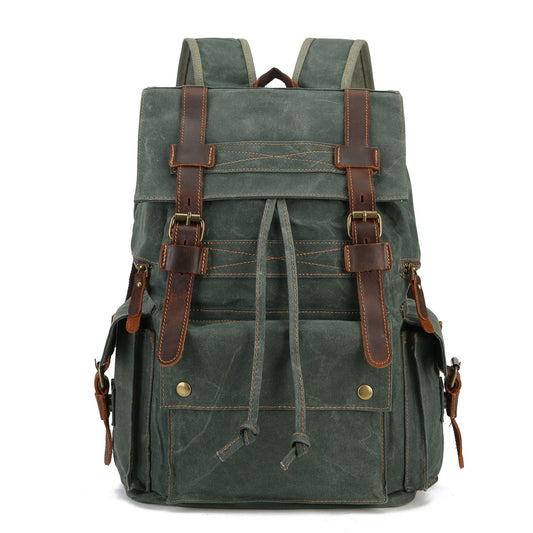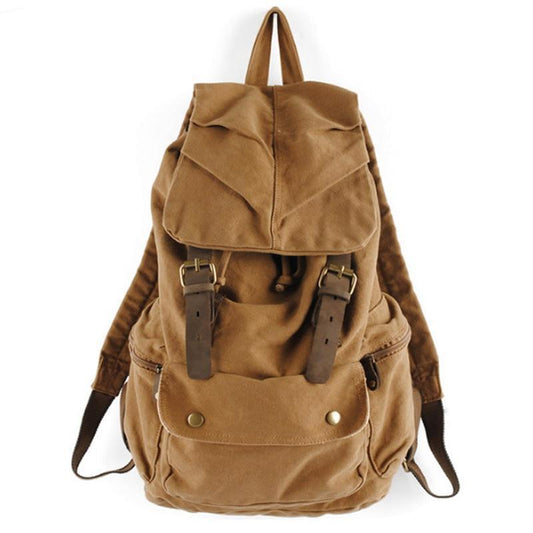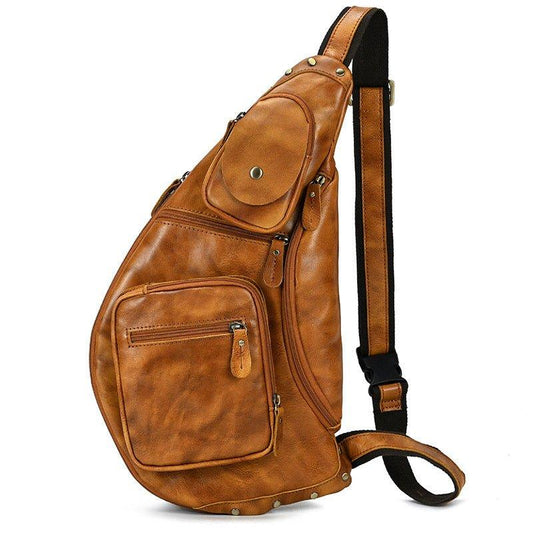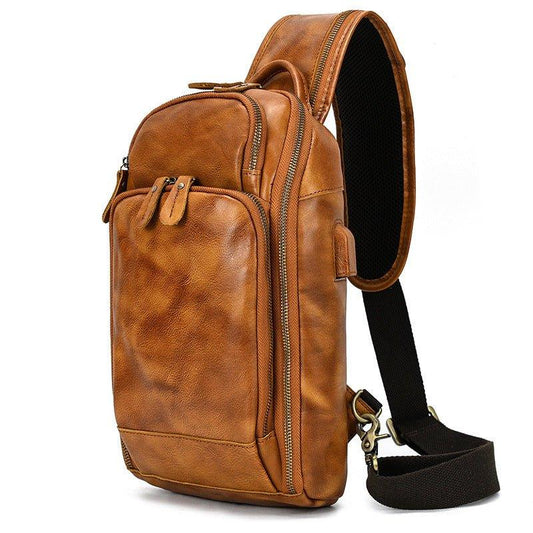

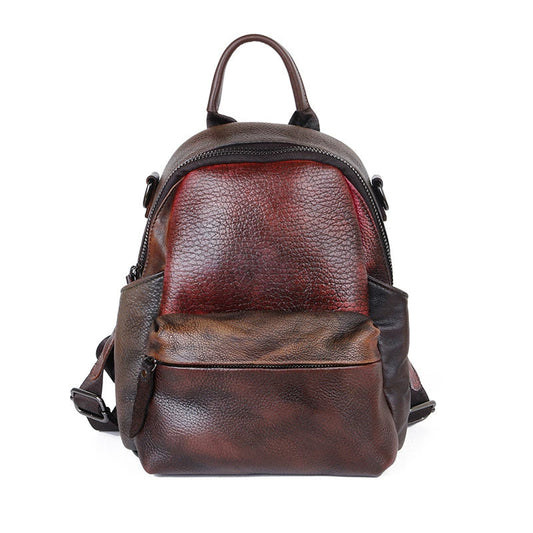

Die besten Rucksäcke aus gewachstem Canvas für Wanderungen und Abenteuerreisen im Jahr 2026

Die besten Rucksäcke aus gewachstem Segeltuch für Wanderungen und Abenteuerreisen im Jahr 2026
Wenn Sie sich den idealen Wanderbegleiter vorstellen, denken Sie wahrscheinlich an etwas Robustes, Zuverlässiges und Langlebiges. Genau das bringt ein Rucksack aus gewachstem Segeltuch auf den Weg. Im Jahr 2026 wenden sich immer mehr Abenteuerreisende von Rucksäcken aus synthetischem Nylon ab und entdecken die zeitlose Anziehungskraft von gewachstem Segeltuch wieder – einem Material, das seit über einem Jahrhundert Ausrüstung schützt, von Militärfeldsäcken im Ersten Weltkrieg bis zu den Schultern moderner Entdecker, die südostasiatische Dschungel und europäische Alpenpässe durchqueren.
Doch was macht gewachstes Segeltuch so besonders für Wanderungen und Abenteuerreisen? Es geht nicht nur um die Ästhetik, obwohl der Vintage-Look am Wanderweg sicherlich Blicke auf sich zieht. Gewachstes Segeltuch bietet eine einzigartige Kombination aus Wasserbeständigkeit, Haltbarkeit und Atmungsaktivität, die synthetische Stoffe nur schwer erreichen können. Im Gegensatz zu laminierten wasserdichten Beschichtungen, die mit der Zeit abblättern und sich delaminieren können, entwickelt gewachstes Segeltuch mit dem Alter Charakter – die Falten, Schrammen und subtile Patina erzählen die Geschichte jedes zurückgelegten Kilometers.
In diesem umfassenden Leitfaden führen wir Sie durch alles, was Sie wissen müssen, um den besten Rucksack aus gewachstem Segeltuch für Ihr nächstes Outdoor-Abenteuer auszuwählen. Egal, ob Sie einen Wochenendausflug in den Rocky Mountains, eine mehrtägige Wanderung auf dem Jakobsweg oder eine Rucksackreise durch die Reisterrassen Nordvietnams planen, der richtige Rucksack macht den Unterschied.
Warum einen Rucksack aus gewachstem Segeltuch für Wanderungen wählen?
Der Wanderrucksackmarkt wird von ultraleichten Rucksäcken aus Nylon und Polyester dominiert. Warum sollte man sich also bewusst für einen schwereren Rucksack aus gewachstem Segeltuch entscheiden? Die Antwort liegt in den einzigartigen Vorteilen, die gewachstes Segeltuch bietet – Vorteile, die viel wichtiger sind als ein paar zusätzliche Unzen auf dem Rücken.
Hervorragende Haltbarkeit und Reißfestigkeit
Gewachstes Segeltuch wird aus dicht gepackten Baumwollfasern gewebt und anschließend mit Wachs imprägniert. Das Ergebnis ist ein Gewebe mit außergewöhnlicher Zugfestigkeit und Abriebfestigkeit. Wo ein Nylonrucksack an einem scharfen Ast hängen bleiben und reißen könnte, steckt ein Rucksack aus gewachstem Segeltuch den Missbrauch weg. Deshalb ist gewachstes Segeltuch seit Generationen das Material der Wahl für militärische Feldausrüstung, Feuerwehrschläuche und Segeltuch. Für Wanderer, die abseits der etablierten Pfade unterwegs sind – sei es beim Buschwandern durch die patagonische Buschlandschaft oder beim Klettern über vulkanisches Gestein in Island – ist diese Haltbarkeit kein Luxus; sie ist eine Notwendigkeit.
Natürliche Wasserbeständigkeit ohne Chemikalien
Die Wachsbeschichtung eines Rucksacks aus gewachstem Segeltuch stößt Wasser auf natürliche Weise ab. Regen perlt von der Oberfläche ab, anstatt durchzusickern. Im Gegensatz zu synthetischen wasserdichten Beschichtungen, die auf perfluorierte Verbindungen (PFCs) angewiesen sind – Chemikalien, die in der Europäischen Union inzwischen eingeschränkt und in Nordamerika und Asien zunehmend kritisiert werden – erzielt gewachstes Segeltuch Wasserbeständigkeit durch einen vollständig natürlichen Prozess. Für umweltbewusste Wanderer ist dies ein erheblicher Vorteil. Und wenn das Wachs nach jahrelangem Gebrauch schließlich dünn wird, können Sie den Stoff einfach zu Hause selbst nachwachsen und so die Lebensdauer des Rucksacks nahezu unbegrenzt verlängern.
Atmungsaktivität und Feuchtigkeitsregulierung
Hier ist eine kontraintuitive Tatsache: Gewachstes Segeltuch atmet. Im Gegensatz zu vollständig wasserdichten Membrangeweben wie Gore-Tex, die Feuchtigkeit im Inneren einschließen, lässt gewachstes Segeltuch Luft zirkulieren und blockiert gleichzeitig Regen. Das bedeutet, dass Ihre Ausrüstung bei langen, schweißtreibenden Anstiegen im Rucksack trockener bleibt. Jeder, der schon einmal nach einem feuchten Tag auf dem Trail einen feuchten Schlafsack aus einem „wasserdichten“ Nylonrucksack gezogen hat, wird diesen Unterschied zu schätzen wissen.
Ästhetischer Reiz, der anmutig altert
Seien wir ehrlich: Ein gut getragener Rucksack aus gewachstem Segeltuch sieht unglaublich aus. Das Gewebe entwickelt im Laufe der Zeit eine einzigartige Patina, mit Falten und Gebrauchsspuren, die die Geschichte Ihrer Abenteuer erzählen. Im Gegensatz zu synthetischen Rucksäcken, die nach einer Saison harten Gebrauchs schäbig und abgenutzt aussehen, sieht ein Rucksack aus gewachstem Segeltuch umso besser aus, je mehr Sie ihn benutzen. Diese Vintage-Ästhetik spricht Reisende an, die Handwerkskunst und Charakter über Wegwerfkonsumgüter schätzen.

Wichtige Merkmale, auf die Sie bei einem Wanderrucksack aus gewachstem Segeltuch achten sollten
Nicht alle Rucksäcke aus gewachstem Segeltuch sind gleich. Achten Sie beim Kauf eines Rucksacks, der Ihnen auf dem Trail gute Dienste leisten wird, auf diese wichtigen Merkmale:
Wachsgewicht und Segeltuchdichte
Das Gewicht der Wachsbeschichtung und die Dichte der Segeltuchbindung wirken sich direkt auf die Wasserbeständigkeit und Haltbarkeit aus. Achten Sie auf Rucksäcke aus 16 oz bis 24 oz gewachstem Segeltuch – höhere Gewichte bieten mehr Schutz, erhöhen aber auch das Gewicht. Für Tageswanderungen in gemäßigten Klimazonen ist 16 oz Segeltuch in der Regel ausreichend. Für mehrtägige Wanderungen bei nassen Bedingungen bietet 20 oz oder mehr mehr Sicherheit.
Lederverstärkungen und Beschläge
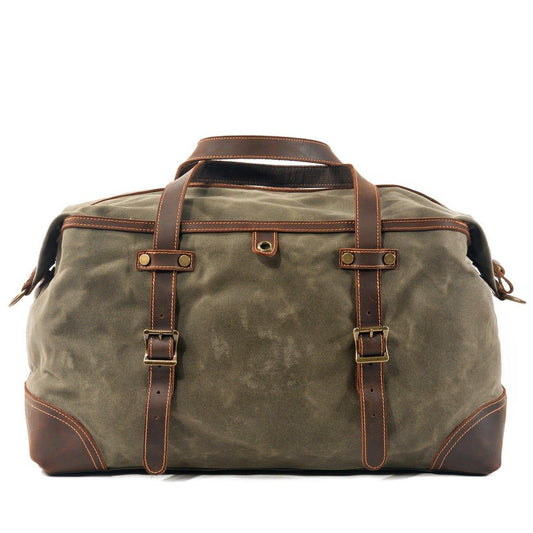
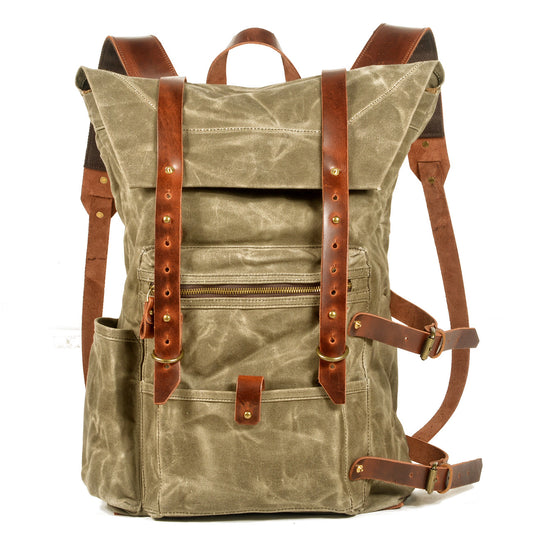
Hochwertige Rucksäcke aus gewachstem Segeltuch verfügen typischerweise über Vollnarbenlederriemen, Bodenplatten und Befestigungspunkte. Leder nimmt Feuchtigkeit besser auf als Gurtband und entwickelt im Laufe der Zeit eine eigene schöne Patina. Achten Sie auch auf die Beschläge: Schnallen und D-Ringe aus massivem Messing oder Edelstahl halten länger als billigere Alternativen aus Zinklegierungen, insbesondere in salzigen Küstengebieten oder feuchten tropischen Bedingungen.
Komfort und ergonomisches Design
Traditionelle Rucksäcke aus gewachstem Segeltuch im Rucksackstil verfügen oft nicht über die gepolsterten Hüftgurte und konturierten Schultergurte, die bei modernen Wanderrucksäcken zu finden sind. Wenn Sie mehr als 7–9 kg (15–20 Pfund) tragen möchten, suchen Sie nach Modellen mit gepolsterten Schultergurten, einem Brustgurt und mindestens einem einfachen Hüftgurt. Einige Premium-Marken für gewachstes Segeltuch integrieren mittlerweile moderne ergonomische Merkmale, während sie die klassische Ästhetik beibehalten – das Beste aus beiden Welten.
Verschlusssysteme
Der klassische Rucksack aus gewachstem Segeltuch verwendet einen Rollverschluss oder Kordelzug mit einer Schnallenklappe – ein Design, das seit Jahrhunderten funktioniert und hervorragenden Wetterschutz bietet. Einige moderne Interpretationen fügen Reißverschlussfächer für schnellen Zugriff hinzu. Obwohl Reißverschlüsse praktisch sind, sind sie auch die häufigste Fehlerquelle bei jedem Rucksack. Für ernsthafte Wanderungen bleibt der traditionelle Schnallenklappenverschluss die zuverlässigste Option.
Kapazität und Organisation
Rucksäcke aus gewachstem Segeltuch für Wanderungen haben typischerweise ein Fassungsvermögen von 20 bis 45 Litern. Ein 20-25-Liter-Rucksack eignet sich gut für Tageswanderungen, um Wasser, Mittagessen, eine Regenjacke und ein Erste-Hilfe-Set zu transportieren. Für Übernachtungen oder Hüttenwanderungen in den Alpen oder den japanischen Alpen bieten 30-40 Liter Platz für Wechselkleidung, einen Schlafsack-Inlett und Kochutensilien. Achten Sie auf Rucksäcke mit externen Befestigungspunkten und Kompressionsriemen – diese ermöglichen es Ihnen, ein Zelt, Trekkingstöcke oder eine zusammengerollte Jacke außen am Rucksack zu befestigen.

Die besten Rucksäcke aus gewachstem Segeltuch für verschiedene Wanderarten
Verschiedene Abenteuer erfordern unterschiedliche Ausrüstung. So passen Sie Ihren Rucksack aus gewachstem Segeltuch an Ihren Wanderstil an:
Tageswanderungen und Spaziergänge in der Natur (20–28 Liter)
Für ein paar Stunden auf gut gepflegten Wegen – denken Sie an den Lake District in England, die Blue Mountains außerhalb von Sydney oder die Nationalparks von Taiwan – ist ein kompakter Tagesrucksack aus gewachstem Segeltuch ideal. Suchen Sie nach einem Rucksack mit etwa 22–25 Litern Fassungsvermögen, bequemen Schultergurten und mindestens einer Außentasche für schnellen Zugriff auf eine Wasserflasche oder eine Wanderkarte. Die Vintage-Segeltuch-Ästhetik passt perfekt zum gemütlichen Tempo einer Tageswanderung, bei der Sie eher für Fotos anhalten und die Landschaft genießen.
Wochenend-Rucksacktouren und Hüttentouren (30–40 Liter)
Für Übernachtungen oder mehrtägige Hüttentouren – beliebt in den Dolomiten Italiens, den Schweizer Alpen und den japanischen Nordalpen – benötigen Sie einen größeren Rucksack aus gewachstem Segeltuch mit mehr Organisationsmöglichkeiten. Suchen Sie nach einem Fassungsvermögen von 30–40 Litern mit einem separaten Schlafsackfach oder externen Riemen zur Befestigung von Ausrüstung. Gepolsterte Hüftgurte werden bei dieser Gewichtsklasse unerlässlich, ebenso wie Lastenhebergurte, die den Rucksack für eine bessere Gewichtsverteilung näher an Ihren Körper ziehen.
Abenteuerreisen und vielseitiger Einsatz in verschiedenen Umgebungen
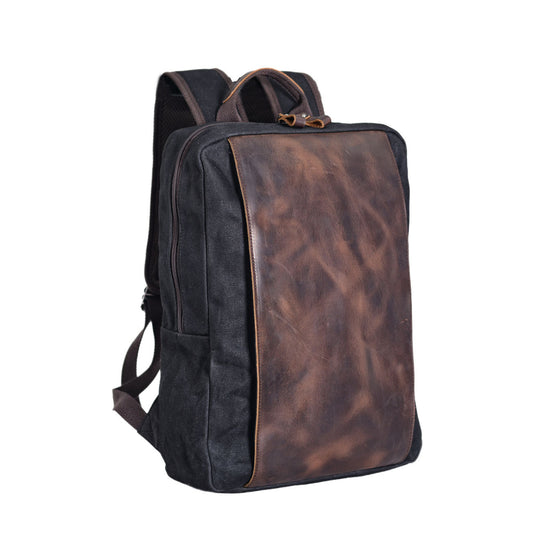
Für Reisende, die Wandern mit Stadterkundungen verbinden – Rucksackreisen durch Südamerika, Südostasien oder Osteuropa – ist Vielseitigkeit der Schlüssel. Ein Rucksack aus gewachstem Segeltuch im Bereich von 30–35 Litern kann sowohl als Wanderrucksack als auch als Handgepäck dienen. Das robuste Aussehen des Materials sorgt dafür, dass Sie beim Betreten eines Hostels in Buenos Aires oder einer Pension in Chiang Mai nach einem Wandertag nicht fehl am Platz wirken. Suchen Sie nach Rucksäcken mit einem Laptopfach oder einem Dokumentenfach für die Reisetage zwischen den Wanderungen.
Vergleich: Rucksäcke aus gewachstem Segeltuch vs. synthetische Wanderrucksäcke
| Merkmal | Gewachstes Segeltuch | Synthetik (Nylon/Polyester) |
|---|---|---|
| Haltbarkeit | Ausgezeichnet – widersteht Rissen, Durchstichen und Abrieb | Gut – aber anfällig für Hängenbleiben und UV-Abbau |
| Wasserbeständigkeit | Natürliche Wachsbeschichtung; nachwachsbar | Chemische Beschichtungen; bauen sich mit der Zeit ab |
| Gewicht | Schwerer (1,1–1,8 kg / 2,5–4 Pfund leer) | Leichter (0,45–1,1 kg / 1–2,5 Pfund leer) |
| Atmungsaktivität | Natürlich atmungsaktiv | Kann Feuchtigkeit im Inneren einschließen |
| Ästhetik | Vintage, charakterbildende Patina | Technisch, modernes Aussehen |
| Umweltauswirkungen | Naturmaterialien, PFC-frei | Auf Erdölbasis, PFC-Beschichtungen |
| Lebensdauer | Jahrzehnte bei richtiger Pflege | Typisch 3–7 Jahre |
| Preisspanne | 80–300 $+ | 50–400 $+ |
So pflegen Sie Ihren Wanderrucksack aus gewachstem Segeltuch

Eines der besten Dinge an einem Rucksack aus gewachstem Segeltuch ist, wie einfach er zu pflegen ist. Mit minimalem Aufwand kann Ihr Rucksack Jahrzehnte halten – und mit jedem Jahr besser aussehen.
Reinigung Ihres Rucksacks aus gewachstem Segeltuch
Waschen Sie einen Rucksack aus gewachstem Segeltuch niemals in der Maschine. Die Bewegung löst die Wachsbeschichtung ab, und das Waschmittel zersetzt die natürlichen Öle. Reinigen Sie stattdessen punktuell mit kaltem Wasser und einer weichen Bürste oder einem Schwamm. Bei hartnäckigem Schmutz verwenden Sie eine milde Sattelseife oder einen speziell für gewachste Stoffe entwickelten Segeltuchreiniger. Spülen Sie gründlich mit kaltem Wasser ab und lassen Sie den Rucksack an der Luft trocknen, fern von direkter Hitze oder Sonnenlicht. Verwenden Sie keine Waschmaschine, Trockner oder Bügeleisen – Hitze schmilzt das Wachs und beschädigt die Wasserbeständigkeit des Stoffes dauerhaft.
Nachwachsen: Wann und wie
Nach ein oder zwei Jahren regelmäßigen Wanderns werden Sie möglicherweise feststellen, dass Wasser nicht mehr auf der Oberfläche Ihres Rucksacks abperlt. Das bedeutet, es ist Zeit, ihn nachzuwachsen. Das Nachwachsen eines Rucksacks aus gewachstem Segeltuch ist ein unkompliziertes DIY-Projekt. Sie benötigen einen Wachsstift für gewachstes Segeltuch (erhältlich von Marken wie Otter Wax, Fjallraven oder Barbour), ein sauberes Tuch und einen Föhn. Reiben Sie den Wachsstift in kleinen kreisenden Bewegungen auf das Segeltuch und verwenden Sie dann den Föhn auf niedriger Hitzestufe, um das Wachs in die Fasern zu schmelzen. Arbeiten Sie in kleinen Abschnitten und wischen Sie überschüssiges Material ab. Der gesamte Vorgang dauert etwa 30–45 Minuten und stellt die Wasserbeständigkeit des Rucksacks wie neu wieder her.
Lederpflege
Wenn Ihr Rucksack aus gewachstem Segeltuch Lederriemen oder -besätze hat, pflegen Sie das Leder alle sechs Monate mit einem hochwertigen Lederbalsam oder -conditioner. Dies verhindert Risse und hält das Leder geschmeidig. Achten Sie besonders auf Belastungspunkte wie Riemenbefestigungen und Schnallenlöcher, die am meisten beansprucht werden.
Wo Sie mit Ihrem Rucksack aus gewachstem Segeltuch wandern können: Regionale Wanderführer
Ein Rucksack aus gewachstem Segeltuch ist auf Wanderwegen auf der ganzen Welt zu Hause. Hier sind einige regionale Highlights für 2026:
Europa: Klassische Alpenrouten
Europa bietet einige der am besten gepflegten und landschaftlich schönsten Wanderwege der Welt. Der Tour du Mont Blanc, der den höchsten Gipfel Westeuropas durch Frankreich, Italien und die Schweiz umrundet, ist eine Bucket-List-Wanderung, die perfekt zum altmodischen Charme eines Rucksacks aus gewachstem Segeltuch passt. Für etwas weniger Anspruchsvolles bietet der West Highland Way in Schottland stimmungsvolle Seen und Highland-Landschaften, wobei Sie die Wasserbeständigkeit des gewachsten Segeltuchs im bekanntlich feuchten Klima Schottlands sicherlich zu schätzen wissen werden.
Asien: Uralte Pfade und tropische Wanderungen
In Asien bieten die Pilgerwege von Kumano Kodo in Japan ein spirituelles Wandererlebnis durch Zedernwälder und Bergdörfer. Der Rucksack aus gewachstem Segeltuch passt perfekt zur traditionellen Ästhetik der alten japanischen Pfade. Weiter südlich bieten die Reisterrassen Balis und die Bergstämme-Pfade Nordthailands und Vietnams tropische Wanderungen, bei denen Atmungsaktivität wichtig ist – ein weiterer Bereich, in dem gewachstes Segeltuch versiegelte synthetische Stoffe übertrifft.
Amerika: Von Patagonien bis zum Pacific Crest
In Nordamerika bieten Abschnitte des Pacific Crest Trail und des Appalachian Trail Weltklasse-Wanderungen. Während Durchwanderer typischerweise ultraleichte Ausrüstung bevorzugen, können Etappenwanderer und Wochenendkrieger die Haltbarkeit und den Charakter eines Rucksacks aus gewachstem Segeltuch genießen. In Südamerika stellt der W Trek in Chiles Patagonien jede Ausrüstung mit heftigen Winden und unvorhersehbarem Wetter auf die Probe – die Art von Bedingungen, unter denen die Haltbarkeit von gewachstem Segeltuch wirklich glänzt.
Nachhaltigkeit und ethische Überlegungen
Die Wahl eines Rucksacks aus gewachstem Segeltuch ist von Natur aus eine nachhaltigere Entscheidung als der Kauf einer synthetischen Alternative. Das Grundmaterial – Baumwoll-Segeltuch – ist eine erneuerbare Ressource. Die Wachsbeschichtung ist natürlich und biologisch abbaubar. Und da Rucksäcke aus gewachstem Segeltuch nachgewachst und repariert werden können, anstatt ersetzt zu werden, erzeugen sie über ihre Lebensdauer deutlich weniger Abfall.
Achten Sie beim Kauf eines Rucksacks aus gewachstem Segeltuch auf Marken, die ihr Segeltuch von Mühlen mit Umweltzertifizierungen beziehen und ihr Leder von Gerbereien, die nachhaltige Praktiken anwenden. Viele handwerkliche Rucksackhersteller bieten mittlerweile Reparaturservices an – ein Zeichen für eine Marke, die langfristig hinter ihren Produkten steht. Wenn Sie unsere Kollektion an gewachsten Segeltuchtaschen durchsuchen, finden Sie Optionen, die sowohl Handwerkskunst als auch Nachhaltigkeit priorisieren.
Häufig gestellte Fragen
Sind Rucksäcke aus gewachstem Segeltuch zu schwer für ernsthafte Wanderungen?
Rucksäcke aus gewachstem Segeltuch sind schwerer als ultraleichte Nylonrucksäcke, wiegen typischerweise 2,5 bis 4 Pfund leer im Vergleich zu 1 bis 2,5 Pfund bei synthetischen Rucksäcken. Für Tageswanderungen und Wochenendausflüge ist der Gewichtsunterschied für die meisten Wanderer überschaubar. Wenn Sie jedoch eine mehrwöchige Durchquerung planen, bei der jedes Gramm zählt, ist ein Rucksack aus gewachstem Segeltuch möglicherweise nicht die beste Wahl. Der Kompromiss liegt in der Haltbarkeit und Langlebigkeit – ein Rucksack aus gewachstem Segeltuch wird wahrscheinlich mehrere synthetische Rucksäcke überdauern, was ihn auf lange Sicht zur wirtschaftlicheren und nachhaltigeren Wahl macht.
Kann ich einen Rucksack aus gewachstem Segeltuch bei starkem Regen verwenden?
Ja – gewachstes Segeltuch bietet hervorragende Wasserbeständigkeit bei mäßigem bis starkem Regen. Wasser perlt ab und rollt von der Oberfläche. Bei anhaltendem sintflutartigem Regen kann jedoch schließlich Wasser durch Nähte und Verschlusspunkte eindringen. Für längere Wanderungen bei sehr nassen Bedingungen sollten Sie einen Rucksackliner oder einen Dry Bag in Ihrem Rucksack aus gewachstem Segeltuch für empfindliche Gegenstände wie Elektronik und Schlafsäcke verwenden. Der Rucksack selbst hält Ihre Ausrüstung unter allen, außer den extremsten Bedingungen, trocken.
Wann weiß ich, dass ich meinen Rucksack nachwachsen muss?
Das verräterische Zeichen ist die Wasseraufnahme. Wenn Sie bemerken, dass Wasser nicht mehr von der Oberfläche Ihres Rucksacks abperlt, sondern in den Stoff eindringt, ist es Zeit, ihn nachzuwachsen. Weitere Anzeichen sind, dass sich das Segeltuch trocken oder steif anfühlt oder sichtbare Verblassungen und Abnutzungen in stark beanspruchten Bereichen wie dem Boden des Rucksacks auftreten. Für regelmäßige Wanderer ist ein jährliches Nachwachsen in der Regel ausreichend. Für gelegentliche Benutzer kann alle zwei Jahre genügen.
Funktionieren Rucksäcke aus gewachstem Segeltuch in heißen Klimazonen?
Ja, und sie haben sogar einen Vorteil gegenüber synthetischen Rucksäcken bei heißem Wetter. Die Atmungsaktivität von gewachstem Segeltuch ermöglicht die Luftzirkulation, was den Saunaeffekt verhindert, der in versiegelten Nylonrucksäcken auftreten kann. An tropischen Reisezielen wie Thailand, Costa Rica oder Nordaustralien sorgt ein Rucksack aus gewachstem Segeltuch dafür, dass Ihre Ausrüstung nicht zu einem feuchten, schweißgetränkten Chaos wird.
Sind Rucksäcke aus gewachstem Segeltuch für Flugreisen geeignet?
Viele Rucksäcke aus gewachstem Segeltuch im Bereich von 25–35 Litern erfüllen die Handgepäckbestimmungen der meisten Fluggesellschaften. Die Strapazierfähigkeit des Materials macht sie auch zu einer ausgezeichneten Wahl für aufgegebenes Gepäck – sie halten der rauen Behandlung durch Gepäckabfertiger weitaus besser stand als leichte Nylontaschen. Für vielseitigere Reiseoptionen sehen Sie sich unsere Auswahl an Wanderrucksäcken an, die sowohl auf dem Wanderweg als auch auf Reisen gleichermaßen gut funktionieren.
Fazit: Ist ein Rucksack aus gewachstem Segeltuch das Richtige für Ihre Abenteuer im Jahr 2026?
Ein Rucksack aus gewachstem Segeltuch ist nicht für jeden Wanderer die richtige Wahl. Wenn es Ihre Priorität ist, jedes mögliche Gramm von Ihrem Rucksackgewicht zu sparen, oder wenn Sie eine schlanke, High-Tech-Ästhetik bevorzugen, dann werden Ihnen moderne synthetische Rucksäcke gute Dienste leisten. Wenn Sie jedoch Wert auf Haltbarkeit, natürliche Materialien, zeitlosen Stil und Ausrüstung legen, die mit jedem Abenteuer Charakter entwickelt, könnte ein Rucksack aus gewachstem Segeltuch die beste Wanderinvestition sein, die Sie im Jahr 2026 tätigen.
Es gibt etwas zutiefst Befriedigendes daran, mit Ausrüstung zu wandern, die einen mit einer längeren Tradition der Erkundung verbindet. Jede Falte im Segeltuch, jede verdunkelte Kante der Lederriemen, jede subtile Farbverschiebung des Stoffes erzählt eine Geschichte. Ein Rucksack aus gewachstem Segeltuch ist nicht nur ein Ausrüstungsgegenstand – er ist ein Begleiter auf dem Weg, der umso persönlicher und schöner wird, je weiter Sie gemeinsam gehen.
Egal, ob Sie einen Wochenendausflug in die Berge, eine mehrtägige Wanderung über einen Kontinent oder ein Jahr Abenteuerreisen über verschiedene Hemisphären planen, der richtige Rucksack aus gewachstem Segeltuch wird Ihre Ausrüstung – und Ihre Erinnerungen – mit Stil und Zuverlässigkeit tragen, die synthetische Rucksäcke einfach nicht erreichen können.