

Die besten Taschen für digitale Nomaden, die weltweit remote arbeiten (Leitfaden 2026)

Die besten Taschen für digitale Nomaden zu finden, bedeutet nicht, dem neuesten Tech-Pack-Trend nachzujagen – es geht darum, Ausrüstung zu wählen, die einen Laptop auf fünfzig Flügen pro Jahr schützt, alles, was Sie besitzen, durch Kopfsteinpflastergassen in Lissabon und U-Bahn-Treppen in Tokio trägt und trotzdem professionell aussieht, wenn Sie in ein Kundengespräch oder einen Co-Working-Space in Mexiko-Stadt gehen. In diesem Leitfaden für 2026 gehen wir auf jede Tasche ein, die ein Remote-Mitarbeiter tatsächlich braucht: den täglichen Arbeitsrucksack, die „One-Bag“-Reisetasche, die minimalistische Tages-Sling-Bag und das Organisationszubehör, das das System zusammenhält. Egal, ob Sie ein erfahrener ortsunabhängiger Profi sind oder Ihr erstes Arbeitsjahr im Ausland planen, dieser Leitfaden zu den besten Taschen für digitale Nomaden hilft Ihnen dabei, ein Setup aufzubauen, das hält.
Was digitale Nomaden wirklich von einer Tasche erwarten
Reisen mit Remote-Arbeit ist eine andere Disziplin als Urlaubsreisen. Sie packen nicht für eine Woche – Sie packen für ein offenes Leben, und Ihre Tasche ist Ihr Büro, Ihr Kleiderschrank und Ihr Sicherheitssystem in einem. Nach einem Jahrzehnt, in dem sich die Nomadenkultur von Strandherbergen zu ernsthaften professionellen Lebensstilen entwickelt hat, sind die Anforderungen klar geworden:
- Laptopschutz über alles. Ihr Computer ist Ihr Einkommen. Ein gepolstertes, aufgehängtes Laptopfach, das den Boden nicht berührt, wenn die Tasche abgestellt wird, ist unerlässlich.
- Handgepäcktauglichkeit. Aufgegebenes Gepäck ist ein Risiko, wenn sich Ihr Reiseplan wöchentlich ändert. Die gesamte Ausrüstung sollte den Handgepäckbeschränkungen der Fluggesellschaften entsprechen – typischerweise 55 x 40 x 20 cm in Europa und etwas größer in Amerika.
- Haltbarkeit gemessen in Jahren, nicht in Reisen. Vollnarbiges Leder, dickes gewachstes Segeltuch, schwere Nähte und Metallbeschläge überleben die über 300 Reisetage im Jahr, die Fast-Fashion-Gepäck zerstören.
- Professionelles Erscheinungsbild. Videoanrufe, Kundenessen, Visatermine, Grenzkontrollen. Eine Tasche, die wie ein erwachsenes Gepäckstück aussieht – nicht wie Festivalausrüstung – erleichtert jede dieser Interaktionen.
- Sicherheitsmerkmale. Abschließbare Reißverschlüsse, versteckte Taschen für Reisepässe und Ersatzkarten sowie ein unauffälliges Design, das nicht "teure Elektronik drin" schreit.
- Komfort unter Last. Die vollständige Ausrüstung eines Nomaden wiegt oft 8–12 kg. Gepolsterte Gurte, eine stabile Rückenplatte und eine ausgewogene Gewichtsverteilung schützen Ihre Schultern an langen Reisetagen.
Das Kernsystem: Drei Taschen, die jeder digitale Nomade braucht
Erfahrene Nomaden einigen sich auf dieselbe Architektur: eine Hauptreisetasche, eine tägliche Arbeitstasche und eine minimalistische Sling Bag. Manche fassen die ersten beiden zu einer einzigen Tasche zusammen – mehr zum One-Bag-Travel weiter unten.
1. Die Hauptreisetasche: Rucksack oder Duffle Hybrid (35–45L)
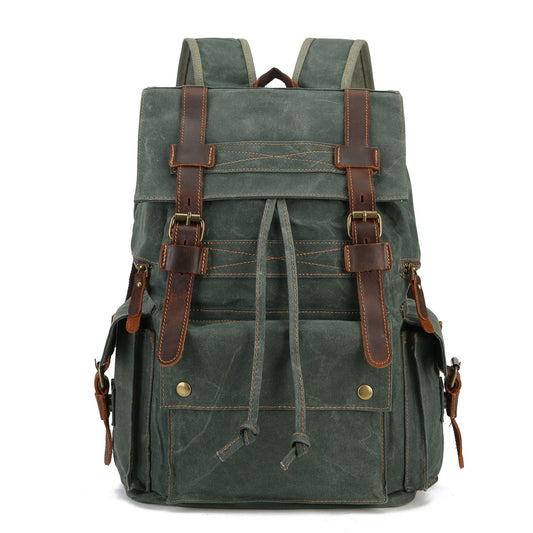
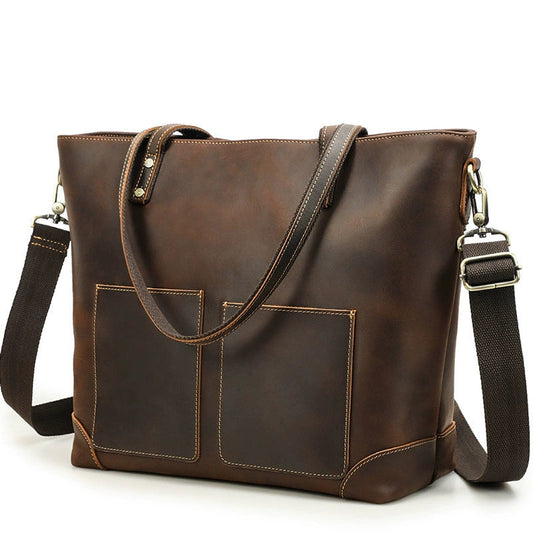
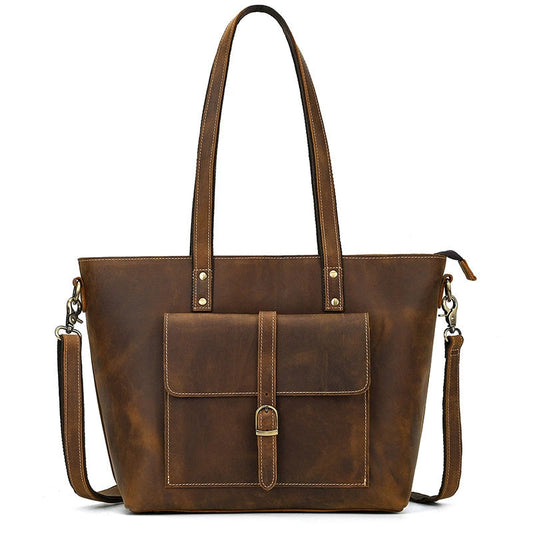
Diese trägt Ihr Leben zwischen den Städten. Der Sweet Spot liegt bei 35–45 Litern: groß genug für eine Capsule Wardrobe und Ausrüstung, klein genug, um als Handgepäck mitgenommen zu werden. Achten Sie auf eine Clamshell- oder Weitöffnung, damit Sie sie wie einen Koffer packen können, auf Kompressionsriemen zur Stabilisierung teilweiser Ladungen und auf eine Rückenplatte, die Ihr Hemd in der Hitze von Bangkok nicht durchnässt. Canvas-und-Leder-Designs glänzen hier – sie halten rauen Transport aus und sehen gleichzeitig raffiniert genug für Hotellobbys und Kundenstädte aus.
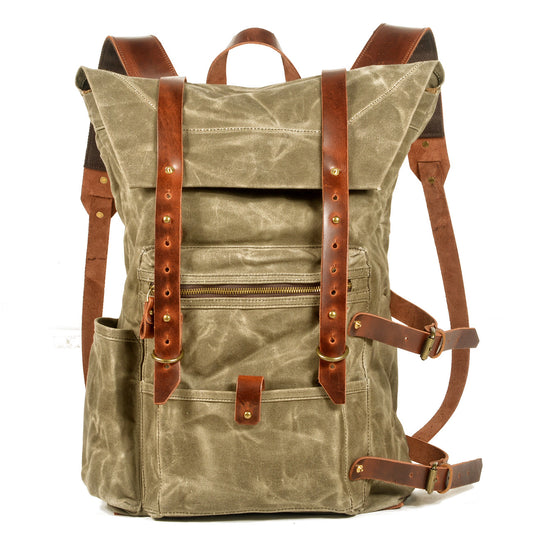
2. Die tägliche Arbeitstasche: Laptop-Rucksack (20–25L)
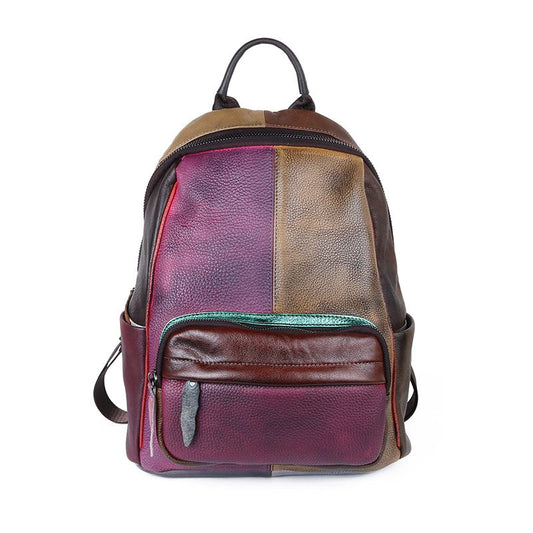
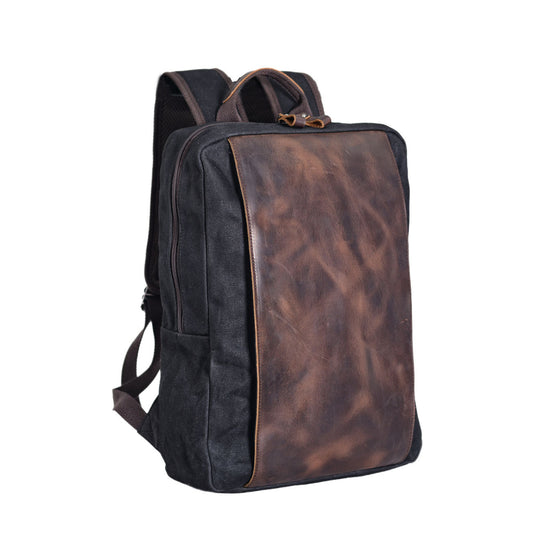
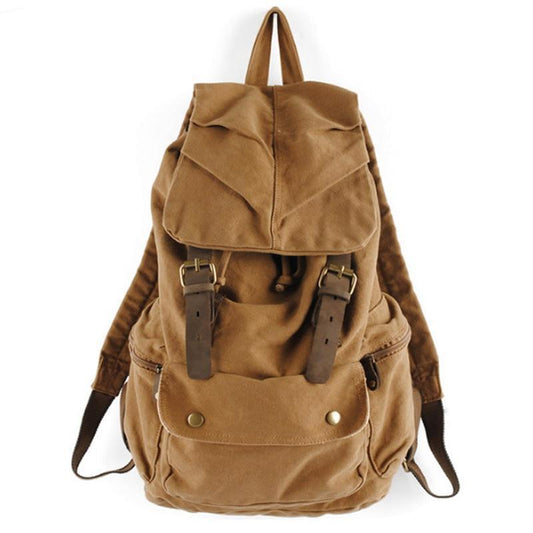
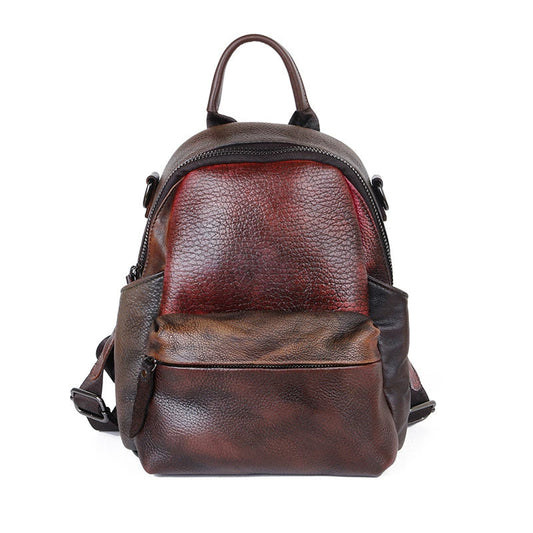
Ihr täglicher Begleiter zwischen Wohnung und Co-Working-Space. Er braucht ein gepolstertes 15–16 Zoll Laptopfach, ein Organizer-Panel für Ladegeräte und Kabel, eine Wasserflaschentasche und schnellen Zugriff für Telefon und Schlüssel. Ein Vintage-Rucksack aus Canvas und Leder bietet die ideale Balance für Remote-Profis: robust genug für den täglichen Gebrauch, gutaussehend genug für Meetings. Die Kollektion von Canvas- und Lederrucksäcken ist genau für diese Rolle gemacht – gewachste Canvas-Körper mit Lederbesatz, die wunderschön altern, anstatt sich abzunutzen.
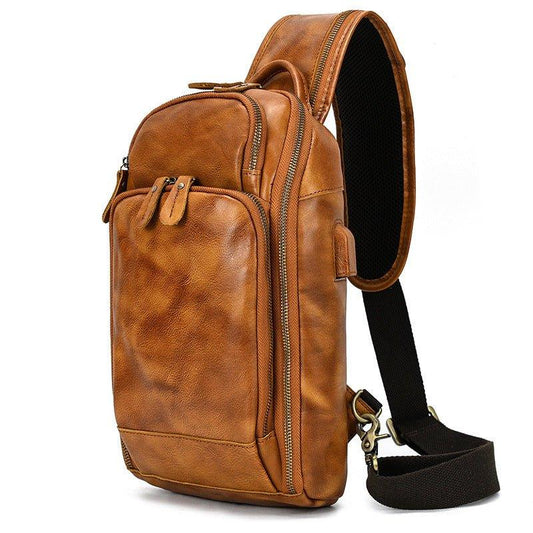
3. Die minimalistische Sling Bag oder Tagestasche (3–8L)
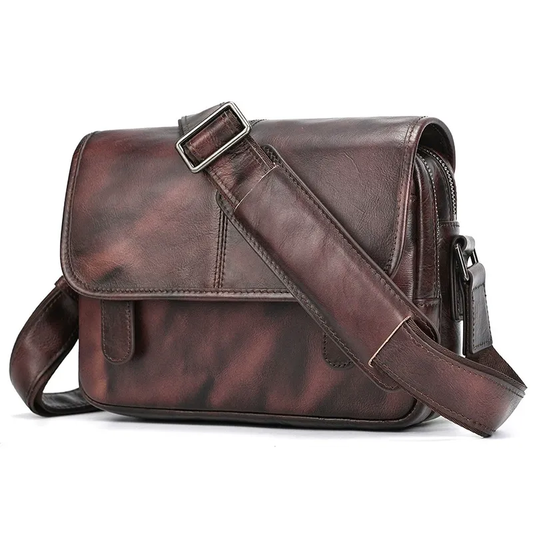
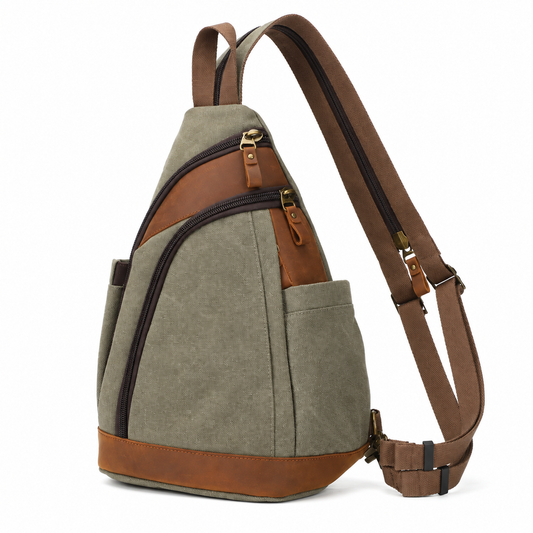
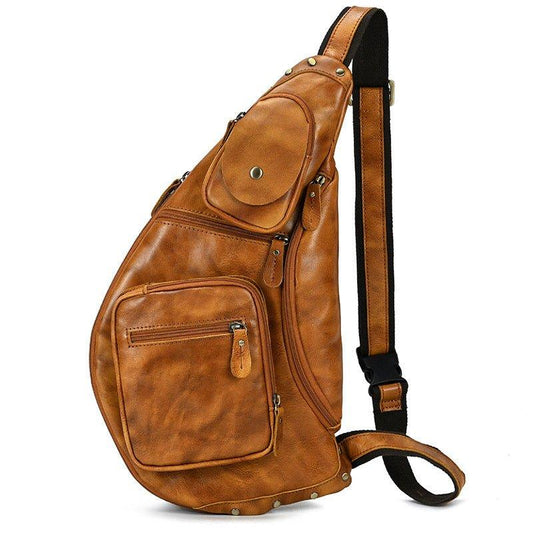
Für Abende, Marktgänge und Tage, an denen der Laptop zu Hause bleibt. Eine kompakte Sling Bag fasst Pass, Telefon, Geldbörse, eine Powerbank und ein Taschenbuch – als Crossbody-Bag vorne getragen in überfüllten Verkehrsmitteln, wo sie gleichzeitig als Diebstahlschutz dient. Sling Bags aus Leder und gewachstem Canvas aus der Sling-Bag-Kollektion lassen sich flach in Ihrer Haupttasche verstauen und wiegen fast nichts.

One-Bag-Reisen vs. Two-Bag-Reisen: Was passt zu Ihnen?
Die große Nomaden-Debatte. Hier ist der ehrliche Vergleich:
- One-Bag (ein einziger 35–45L Rucksack): Maximale Mobilität. Sie verlassen jeden Flughafen in wenigen Minuten, warten nie am Gepäckband und fliegen mit Billigfluglinien ohne zusätzliche Gebühren. Der Preis: eine strenge Capsule Wardrobe, alle paar Tage Wäsche waschen und alles auf einmal auf dem Rücken tragen.
- Two-Bag (40L Haupttasche + 20L Tagestasche): Das beliebteste Setup. Die Haupttasche reist als Handgepäck; der Tagesrucksack passt als persönlicher Gegenstand unter den Sitz. Sie erhalten am Zielort eine echte Bürotasche und insgesamt ca. 60L Kapazität, während Sie immer noch auf aufgegebenes Gepäck verzichten.
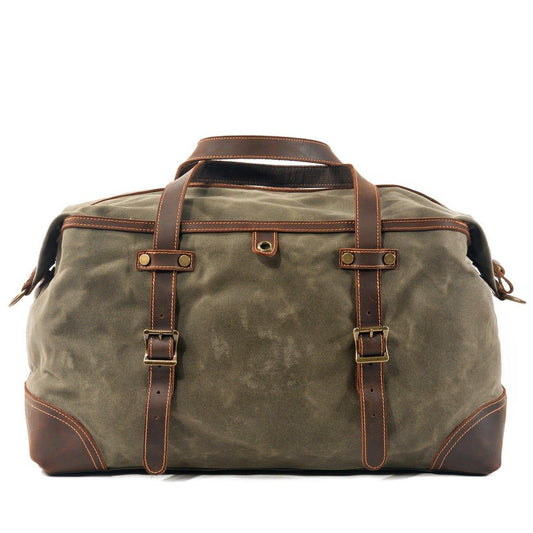
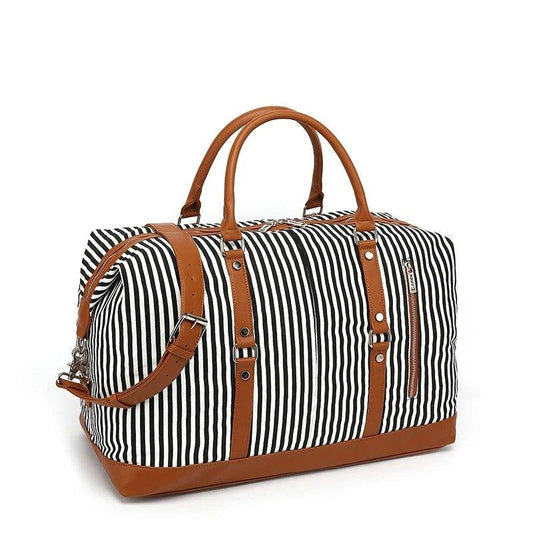
- Duffle + Rucksack: Bevorzugt von Nomaden, die sich für ein bis drei Monate in jeder Stadt niederlassen. Eine Leder- oder Canvas-Duffle transportiert den Großteil zwischen den Basen; der Rucksack bewältigt das tägliche Leben. Weniger bequem bei langen Transitzeiten, bequemer überall sonst.
Die meisten Nomaden im ersten Jahr beginnen mit zwei Taschen und reduzieren allmählich das Gewicht. Im zweiten Jahr sind viele für kurze Sprünge One-Bagger und für saisonale Umzüge Two-Bagger.
Materialien sind wichtig: Warum Canvas und Leder technische Stoffe schlagen
Technische Nylon-Packs dominieren Nomadenforen, aber es gibt gute Gründe für Naturmaterialien, und diese werden umso stärker, je länger man reist:
- Langlebigkeit. Gewachstes Canvas mit 15–18 oz und Vollnarbenlederriemen überdauern Ripstop-Nylon um Jahre. Abrieb, der synthetische Stoffe zerfetzt, poliert gewachstes Canvas lediglich.
- Reparaturfähigkeit. Ein Schuster in jeder Stadt der Welt kann Canvas und Leder neu nähen. Delaminierte wasserdichte Laminate und gebrochene Plastikschnallen sind außerhalb von Spezialgeschäften oft nicht reparierbar.
- Unauffälliges Design. Ein Vintage-Canvas-Rucksack wirkt wie "Student" oder "Künstler", nicht wie "dreitausend Dollar Elektronik". Das ist auf Märkten von Medellín bis Marrakesch wichtig.
- Professionelle Ästhetik. Mit Leder besetztes Canvas gehört in einen Besprechungsraum. Die meisten technischen Packs nicht.
- Wetterbeständigkeit. Richtig gewachstes Canvas weist Regen bemerkenswert gut ab – siehe die Kollektion an gewachsten Canvas-Taschen für Stücke, die für die Regenzeit gemacht sind – und kann im Gegensatz zu laminierten Stoffen unbegrenzt nachgewachst werden, um die Barriere zu erneuern.
Der Kompromiss ist das Gewicht: Naturmaterialien sind schwerer als ultraleichtes Nylon. Für Nomaden, die Haltbarkeit, Sicherheit und Stil über eine Einsparung von 400 Gramm stellen, ist es ein lohnender Kompromiss.
Regionale Gegebenheiten: Ihre Tasche an Ihr Reiseziel anpassen
Südostasien (Bali, Chiang Mai, Da Nang, Bangkok)
Hitze, Feuchtigkeit, plötzliche Regenfälle und Scooter-Pendler prägen die Region. Priorisieren Sie wasserabweisende Materialien, schnell trocknende Rückenpaneele und einen Regenplan für Ihre Elektronik. Ein Rucksack aus gewachstem Canvas plus ein Dry Bag für Ihren Laptop bewältigt die Monsunzeit. Nächtliches Lüften verhindert Schimmel in tropischen Wohnungen.
Europa (Lissabon, Barcelona, Berlin, Budapest, Tiflis)
Billigfluglinien dominieren hier, und ihre Gepäckgrößenkontrollen sind gnadenlos. Halten Sie Ihre Haupttasche innerhalb von 55 x 40 x 20 cm und Ihr persönliches Gepäckstück wirklich klein. Kopfsteinpflaster bestraft Rollgepäck – Rucksäcke und Duffles gewinnen. Taschendiebstähle in Touristenzentren machen abschließbare Reißverschlüsse und vorne getragene Sling-Bags in U-Bahnen in Barcelona, Rom und Paris wertvoll.
Amerika (Mexiko-Stadt, Medellín, Buenos Aires, Austin)
Längere Entfernungen bedeuten mehr Flüge und Busse. Übernachtbusse in Lateinamerika machen eine schnittfeste Alltagstasche und ein abschließbares Hauptfach lohnenswert. Höhenstädte wie Mexiko-Stadt und Bogotá schwanken um 15 °C am Tag, also lassen Sie Platz für Schichten. Eine professionell aussehende Tasche erleichtert auch die wachsende Zahl an Visumsterminen für digitale Nomaden in der Region.
Winterbasen (Seoul, Winter in Tokio, Osteuropa)
Sperrige Kleidung schluckt Kapazität. Kompressionswürfel und eine etwas größere Haupttasche (45L) helfen. Leder funktioniert in kalter, trockener Luft hervorragend – einfach vor Beginn der Saison pflegen.
So packen Sie eine Digital Nomad Tasche: Die bewährte Ausstattung
- Tech-Kit (2–3 kg): Laptop, Ladegerät, Telefon, Powerbank, Universaladapter, Kabeltasche, Ohrhörer. Optional: kompakte Maus, Reisemonitor, E-Reader.
- Kleidung (3–4 kg): 5–7 Oberteile aus Merinowolle oder schnelltrocknend, 2 Unterteile, 1 elegante Schicht für Meetings, 7 Tage Unterwäsche und Socken, packbare Regenjacke, ein Paar vielseitige Schuhe, die auf der Reise getragen werden.
- Toilettenartikel und Gesundheit (1 kg): möglichst feste Toilettenartikel, verschreibungspflichtige Medikamente mit Dokumentation, kompakte Erste-Hilfe.
- Dokumente und Sicherheit (0,5 kg): Reisepass, Ersatzbankkarte getrennt von der Geldbörse aufbewahrt, ausgedruckte Visumdokumente, Versicherungskarte, ein paar Passfotos.
- Komfortartikel (unter 1 kg): packbare Tages-Sling, Reisekissen, falls Sie Überlandbusse nehmen, Notizbuch.
Gesamtziel: unter 12 kg für beide Taschen. Jedes Kilogramm darüber ist eine Steuer, die Sie für jede Treppe, jeden Bahnsteig und jedes Abfluggate für den Rest des Jahres zahlen.

Sicherheitsgewohnheiten, die Ihr mobiles Büro schützen
- Tragen Sie Sling Bags und Tagesrucksäcke in überfüllten Verkehrsmitteln vorne – gängige Praxis von der römischen U-Bahn bis zur BTS in Bangkok.
- Verwenden Sie einen Karabiner oder ein kleines Schloss, um Reißverschlüsse zusammenzuklippen; Gelegenheitstäter suchen sich leichtere Ziele.
- Bewahren Sie eine Ersatzkarte und 100 $ Notbargeld an einem anderen Ort als Ihrer Brieftasche auf – in einer versteckten Innentasche oder einem schlanken Etui in Ihrer Haupttasche.
- In Cafés schlingen Sie ein Stuhlbein durch Ihren Rucksackgurt. Schnapp-und-Renn-Diebstähle zielen auf unbefestigte Taschen ab.
- Sichern Sie Ihre Arbeit täglich in der Cloud. Die Tasche schützt den Laptop; das Backup schützt das Geschäft.
Taschenvergleich auf einen Blick
- Canvas-Leder-Rucksack (20–25L): tägliche Arbeit und Co-Working. Stärken: professionelles Aussehen, Laptopschutz, altert schön. Ideal für: jeden Nomaden, jede Region.
- Reiserucksack (35–45L): Umzug von Stadt zu Stadt. Stärken: Handgepäck, Handgepäck-tauglich, kopfsteinpflasterfest. Ideal für: schnelle Reiserouten, Europa, Südostasien.
- Leder-/Canvas-Duffle (40–50L): langsames Reisen zwischen längeren Aufenthalten. Stärken: große Öffnung, einfaches Packen, raffiniertes Aussehen. Ideal für: 1–3 Monate Basen, Amerika.
- Sling Bag (3–8L): Abende und Erledigungen. Stärken: federleicht, diebstahlsicher bei frontalem Tragen, flach verstaubar. Ideal für: jeden – die am häufigsten genutzte Tasche an den meisten Tagen.
Häufig gestellte Fragen: Beste Taschen für digitale Nomaden
Welche Rucksackgröße ist am besten für digitale Nomaden?
Eine 35–45 Liter Haupttasche, gepaart mit einem 20–25 Liter Tages-Laptop-Rucksack, deckt die meisten Nomaden ab. Die 40-Liter-Marke ist der Sweet Spot: Bei fast allen Fluggesellschaften als Handgepäck zugelassen, groß genug für einen Monat Capsule-Garderobe und leicht genug, um einen Kilometer ohne Elend zu laufen.
Ist One-Bag-Travel für Remote-Worker realistisch?
Ja, mit Disziplin. Tausende Nomaden leben aus einem einzigen 35–45L-Pack. Es erfordert eine strenge Capsule Wardrobe, Wäsche alle drei bis vier Tage und rücksichtslose Ausrüstungsauswahl. Wenn Ihre Arbeit zusätzliche Ausrüstung erfordert – Kameras, Audioausrüstung, ein zweiter Monitor – ist ein Zwei-Taschen-System realistischer und vermeidet dennoch aufgegebenes Gepäck.
Sind Leder- und Leinwandtaschen zu schwer für Vollzeitreisen?
Sie wiegen mehr als ultraleichtes Nylon – typischerweise 0,5 bis 1 kg mehr – zahlen sich aber in Lebensdauer, Reparierbarkeit und Aussehen aus. Eine Tasche aus gewachstem Canvas und Leder kann von jedem Schuster auf der Welt nachgenäht und unbegrenzt nachgewachst werden, während laminierte technische Stoffe irreversibel zerfallen. Für mehrjährige Reisen sind Naturmaterialien pro Nutzungsjahr oft die günstigere Wahl.
Wie schütze ich meinen Laptop, wenn ich ständig reise?
Verwenden Sie eine Tasche mit einem gepolsterten, schwebenden Laptopfach, das über dem Taschenboden sitzt, fügen Sie eine Neoprenhülle für doppelten Schutz hinzu, bewahren Sie den Laptop in Ihrem persönlichen Gegenstand auf (niemals über Kopf, niemals aufgegeben) und sichern Sie täglich in der Cloud. In feuchten Klimazonen fügen Sie einen schlanken Dry Bag oder eine Reißverschlusstasche als Feuchtigkeitsbarriere hinzu.
Welche Funktionen sind bei einer Digital-Nomaden-Arbeitstasche am wichtigsten?
In dieser Reihenfolge: Laptopschutz, bequeme Gurte, Organisation für Kabel und Ladegeräte, unauffälliges professionelles Design, abschließbare oder sicherbare Reißverschlüsse und Materialien, die jahrelangem täglichen Gebrauch standhalten. Alles andere – USB-Anschlüsse, versteckte Fächer, modulare Erweiterungen – ist nett zu haben, aber zweitrangig.
Wie viele Taschen sollte ein digitaler Nomade insgesamt besitzen?
Drei ist die bewährte Zahl: eine 35–45L Haupttasche, ein 20–25L Tagesrucksack aus Canvas und Leder und eine kleine, packbare Sling Bag. Zusammen decken sie jedes Szenario ab, von interkontinentalen Umzügen bis zum Lebensmitteleinkauf, ohne Kapazität zu duplizieren oder unnötiges Gewicht hinzuzufügen. Fügen Sie eine vierte Tasche nur hinzu, wenn Ihre Arbeit dies wirklich erfordert – z. B. einen Kameraeinsatz für Fotografen – und widerstehen Sie dem Sammeln von Taschen für hypothetische Reisen. Zusätzliche Taschen reisen entweder leer oder bleiben im Lager; ein enges Drei-Taschen-Set reist voll und verdient seinen Platz jeden einzelnen Tag.
Sollten digitale Nomaden Rollgepäck verwenden?
Im Allgemeinen nein, es sei denn, Sie haben einen physischen Grund, Gewicht zu vermeiden. Räder fügen ein Kilogramm oder mehr hinzu, versagen auf Kopfsteinpflaster, Schotter und Treppen und kennzeichnen Sie als Touristen. Rucksäcke und Duffles bewältigen das echte Terrain des Nomadenlebens – U-Bahn-Treppen, Altstadtstraßen, Busbahnhöfe – viel besser.
Budgetierung für Ihr Nomaden-Taschensystem: Wo und wie viel ausgeben
Ein häufiger Fehler im ersten Jahr ist, viel Geld für die falsche Tasche auszugeben. So teilen erfahrene Nomaden ihr Ausrüstungsbudget auf:
- Geben Sie am meisten für Ihren täglichen Arbeitsrucksack aus. Er wird an über 300 Tagen im Jahr benutzt und trägt Ihre einkommensschaffende Ausrüstung. Ein langlebiger Rucksack aus Canvas und Leder im Bereich von 100–200 $ überdauert typischerweise drei billige synthetische Rucksäcke und sieht jedes Jahr, das er altert, besser aus.
- Geben Sie mäßig viel für die Hauptreisetasche aus. Sie leistet an Reisetagen harte Arbeit, liegt aber den Rest der Zeit im Schrank. Priorisieren Sie die Reißverschlussqualität und den Tragekomfort vor der Anzahl der Funktionen. Geben Sie wenig für Zubehör aus, aber lassen Sie es nicht weg. Packwürfel, eine Kabeltasche und ein Dry Bag für Elektronik kosten zusammen unter 50 $ und verbessern das tägliche Leben mehr als jede Premium-Taschenfunktion.
- Einmal kaufen, einmal weinen. Über eine fünfjährige Nomadenreise kostet eine 180 $-Tasche, die die ganze Reise hält, weniger als alle achtzehn Monate eine 70 $-Tasche zu ersetzen – und erspart Ihnen das Elend, wenn ein Reißverschluss in einer Abreise-Warteschlange in einem Land versagt, in dem Sie keinen Ersatz finden können.

Häufige Taschenfehler, die Nomaden im ersten Jahr machen
- Zu großes Einkaufen. Ein 60L Rucksack wird immer gefüllt, und dann wird er immer getragen. Kapazitätsdisziplin beginnt mit der Tasche selbst. Wenn es nicht in 45L passt, muss es wahrscheinlich nicht mit.
- Die Freigepäckgrenze für persönliche Gegenstände ignorieren. Billigfluglinien in Europa und Asien setzen winzige Größenvorgaben durch. Ein strukturierter Tagesrucksack, der wirklich unter den Sitz passt, spart über ein Jahr Hunderte an Gate-Gebühren.
- Aussehen über Laptopschutz wählen. Eine schöne Tasche mit einer dünnen Hülle ist ein Risiko, das Sie genau einmal verlieren. Überprüfen Sie echte Polsterung und ein schwebendes Fach vor allem anderen.
- Aus Angst statt Realität packen. Der "nur für den Fall"-Stapel – zusätzliche Schuhe, eine dritte Jacke, Ausrüstung für hypothetische Aktivitäten – macht die meisten Übergewichtstaschen aus. Fast alles ist vor Ort kaufbar, wenn der Bedarf tatsächlich entsteht.
- Den Testlauf überspringen. Laden Sie vor jeder Reise Ihre gesamte Ausrüstung und gehen Sie zwei Kilometer. Unbehagen zu Hause wird zu Schmerz in einer fremden Transitstation. Passen Sie Gurte an, verteilen Sie das Gewicht neu oder streichen Sie Gegenstände, bis der Spaziergang leichtfällt.
Das Muster hinter allen fünf Fehlern ist dasselbe: Optimierung für die Reise, die Sie sich vorstellen, anstatt für das Leben, das Sie tatsächlich leben werden. Das echte Nomadenleben besteht meistens aus gewöhnlichen Tagen – zur Arbeit gehen, Lebensmittel einkaufen, gelegentlich fliegen. Wählen Sie Taschen für diese Tage, und die außergewöhnlichen Tage regeln sich von selbst.
Fazit: Die besten Taschen für digitale Nomaden sind die, an die man nie denkt
Die besten Taschen für digitale Nomaden gehen in Ihrer Routine auf: Der Laptop ist immer gepolstert, der Pass immer auffindbar, die Last immer ausgewogen und nichts geht tausend Meilen von zu Hause entfernt kaputt. Bauen Sie das Drei-Taschen-System auf – eine 35–45L Haupttasche, einen 20–25L Canvas-und-Leder-Arbeitsrucksack und eine packbare Sling Bag – wählen Sie Materialien, die repariert werden können, anstatt zu verfallen, und halten Sie das Gesamtgewicht unter 12 kg. Tun Sie das, und Ihre Ausrüstung wird in den Hintergrund treten, während Sie sich auf die zwei Dinge konzentrieren, die wirklich wichtig sind: die Arbeit vor Ihnen und die Welt um Sie herum. Von Lissabon über Chiang Mai bis Mexiko-Stadt – das ist der ganze Sinn des Nomadenlebens.