
Auslandsstudium-Rucksack-Guide: Ein Rucksack für Campus, Handgepäck und Wochenendausflüge (2026)

Einen Rucksack für das Auslandsstudium auszuwählen, ist schwieriger, als eine Schultasche oder einen Reiserucksack zu kaufen, denn Sie erwerben einen einzigen Gegenstand, der für ein ganzes akademisches Jahr beide Aufgaben erfüllen muss. Von Montag bis Freitag trägt er einen Laptop, Notizbücher und eine Wasserflasche über den Campus. Am Freitagnachmittag wird er Ihr einziges Gepäck für einen Billigflug in ein anderes Land, und er muss in einen Größenrahmen passen, eine Hostel-Schlafsaal überleben und am Sonntagabend wieder bereit für eine Vorlesung sein.
Die meisten Studenten machen dabei einen von zwei Fehlern. Entweder bringen sie eine starre Laptop-Pendeltasche mit, die keine Kleidung für drei Tage fasst, oder sie nehmen einen 65-Liter-Trekkingrucksack mit, der in einem Seminarraum absurd aussieht und nicht abgeschlossen oder flach geöffnet werden kann. Dieser Leitfaden behandelt Größen, Laptopschutz, regionale Handgepäckbestimmungen, Sicherheit, Komfort und Materialien, damit Sie einen Rucksack kaufen können, der Campusleben und Wochenendreisen ohne Kompromisse meistert.
Warum ein Rucksack für das Auslandsstudium ein anderes Problem darstellt
Ein Campus-Rucksack optimiert für den täglichen Zugriff: schnellen Zugriff auf das Vorderfach, eine gepolsterte Laptophülle und eine Form, die gut unter einen Vorlesungssaal-Schreibtisch passt. Ein Reiserucksack optimiert für Volumen, Packorganisation und Airline-Konformität. Diese Ziele stehen in drei spezifischen Punkten im Konflikt.
- Öffnungsart. Toploader ist schnell für den Campusalltag und schrecklich zum Packen von Kleidung. Die Clamshell-Öffnung ist ausgezeichnet zum Packen und etwas langsamer, um ein Buch zwischen den Kursen herauszuholen.
- Struktur. Eine Campus-Tasche benötigt eine flache, schützende Rückseite für den Laptop. Eine Reisetasche benötigt einen Körper, der flexibel ist und komprimiert werden kann.
- Kapazität. Ein Campus-Tag benötigt 15-20 Liter nutzbaren Platz. Eine dreitägige Reise benötigt 30 Liter oder mehr.
Die gute Nachricht ist, dass diese Dinge miteinander vereinbar sind. Ein 28-32 Liter großer Rucksack mit Panel- oder Clamshell-Öffnung, einem speziellen Laptopfach, Kompressionsriemen und einem verstaubaren Hüftgurt erfüllt beide Aufgaben gut. Der Rest dieses Leitfadens erklärt, wie man einen solchen Rucksack findet.

Die Ein-Rucksack-Regel: Die richtige Größe für Ihren Auslandsstudien-Rucksack
Die Kapazität ist die erste Entscheidung und schränkt alles andere ein. Hier sehen Sie, wie sich die Bereiche in der Praxis verhalten.
| Kapazität | Campus-Leistung | Leistung bei Wochenendtrips | Passform für Airlines |
|---|---|---|---|
| 18-24 L | Ausgezeichnet – leicht, ordentlich | Eng; max. 2 Tage, minimale Packung | Persönlicher Gegenstand bei fast allen Fluggesellschaften |
| 25-32 L | Sehr gut – im leeren Zustand leicht überdimensioniert | Bequem für 3-4 Tage | Handgepäck; persönlicher Gegenstand bei vielen Fluggesellschaften, wenn komprimiert |
| 33-40 L | Sperrig in Hörsälen | Ausgezeichnet für 5-7 Tage | Nur Handgepäck; oft zu tief für günstige persönliche Gegenstände |
| 41 L+ | Unpraktisch im Alltag | Ausgezeichnet, verleitet aber zum Überpacken | Häufig am Gate eingecheckt |
18-24 Liter: die minimalistische Wahl
Ideal, wenn Ihr Programm laptop- und notizlastig ist und Sie wirklich sparsam reisen. Diese Größe passt überall unter die Freigepäckgrenzen für persönliche Gegenstände, sodass Sie die günstigsten Tarife fliegen können, ohne ein Handgepäckstück hinzuzufügen. Die Einschränkung ist real: Sie müssen auf der Reise Wäsche waschen und es passen nicht gleichzeitig eine Jacke, ein Laptop und Kleidung für drei Tage hinein.
25-32 Liter: der Sweet Spot
Dies ist die richtige Antwort für die meisten Studierenden im Auslandsstudium. Er schluckt an Wochentagen einen 14-Zoll-Laptop, ein Lehrbuch, eine Wasserflasche und ein Sport-Kit, und am Wochenende drei oder vier Tage Kleidung plus Toilettenartikel. Mit guten Kompressionsriemen lässt er sich, wenn leicht gepackt, bei den meisten Fluggesellschaften in die Größenprüfung für persönliche Gegenstände quetschen. Wenn Sie einen Rucksack für ein Auslandsjahr kaufen, kaufen Sie in diesem Bereich.
33-40 Liter: die Reisenden-Priorität
Wählen Sie dies nur, wenn Wochenendreisen die Hauptaktivität sind und die Nutzung auf dem Campus zweitrangig ist, oder wenn Sie in eine kalte Gegend reisen, wo sperrige Kleidung Ihr Packvolumen dominiert. Er trägt problemlos eine Woche. Der Nachteil ist, dass er im akademischen Alltag groß und klobig wirkt und ein leerer, schlaffer Rucksack an einem halbvollen Tag unordentlich aussieht. Strukturierte Optionen aus der Wanderrucksack-Kollektion decken das obere Ende dieses Bereichs mit richtigen Rahmen und Hüftgurten ab.
Laptop- und Technologiestandards für den Schutz
Ihr Laptop ist wahrscheinlich das teuerste Einzelstück, das Sie mit sich führen, und das häufigste Schadensszenario ist nicht Diebstahl – es ist das unsanfte Abstellen der Tasche auf einem gefliesten Boden. Achten Sie auf diese vier Merkmale.
- Eine schwebende Hülle. Der Boden des Laptopfachs sollte 2-4 cm über dem Taschenboden liegen, damit ein Sturz nicht direkt auf die Unterkante des Geräts übertragen wird. Dies ist das wichtigste Schutzmerkmal, und viele Taschen verzichten darauf.
- Polsterung auf beiden Seiten. Mindestens 8-10 mm geschlossenzelliger Schaumstoff hinten und vorne, nicht nur an der Rückenplatte.
- Ein Haltegurt. Ein Klettverschluss oder elastischer Gurt verhindert, dass der Laptop herausrutscht, wenn Sie die Tasche flach öffnen, was bei Sicherheitskontrollen am Flughafen ständig passiert.
- Idealerweise separater Zugang. Eine seitlich oder hinten zugängliche Laptophülle ermöglicht es Ihnen, das Gerät bei der Sicherheitskontrolle herauszuziehen, ohne das Hauptfach auspacken zu müssen.
Messen Sie Ihren tatsächlichen Laptop, anstatt sich auf eine angegebene Größenklasse zu verlassen. Ein 15-Zoll-Gerät von 2020 und ein 15-Zoll-Gerät von 2026 können sich in der Breite um zwei Zentimeter unterscheiden. Fügen Sie eine schlanke Hülle hinzu, wenn das Fach Ihres Rucksacks locker sitzt, denn ein Laptop, der in der Hülle verrutscht, erleidet wiederholt kleine Stöße an seinen Ecken.

Handgepäck- und persönlicher Gegenstand Vorschriften nach Region
Wochenendreisen sind der Bereich, in dem ein Rucksack für das Auslandsstudium sein Geld wert ist, und die Vorschriften der Fluggesellschaften unterscheiden sich je nach Region so stark, dass sie die Wahl der Größe beeinflussen.
Europa
Inner-europäische Billigfluggesellschaften sind die strengsten Vollstrecker der Welt. Kostenlose Freigepäckgrenzen für persönliche Gegenstände liegen üblicherweise bei etwa 40 x 20 x 25 cm, was ungefähr 18-20 Litern nutzbarem Volumen entspricht. Bezahltes Handgepäck bewegt sich typischerweise um 55 x 40 x 20 cm. Größenrahmen am Gate werden routinemäßig verwendet, und Gebühren am Gate sind strafend.
Die praktische Konsequenz: Wenn Sie planen, die meisten Wochenenden das europäische Billigflugnetz zu nutzen, kaufen Sie entweder im Bereich von 18-24 Litern oder einen 28-32 Liter Rucksack mit aggressiven Kompressionsriemen und packen Sie ihn bewusst leicht. Bahnreisen in ganz Europa haben keinerlei Größenbeschränkungen, sodass ein größerer Rucksack in Ordnung ist, wenn Züge Ihre Standardoption sind.
Asien
Asiatische Full-Service-Fluggesellschaften sind in der Regel großzügig bei den Abmessungen, aber streng beim Gewicht, wobei 7 kg Handgepäckbeschränkungen üblich sind und aktiv beim Check-in gewogen werden. Das kehrt die übliche Rechnung um: Eine Tasche, die problemlos in den Größenprüfer passt, kann immer noch abgelehnt werden, weil sie 9 kg wiegt. Halten Sie ein Leergewicht von unter 1,3 kg, wo immer Sie können, und denken Sie daran, dass schwere Gegenstände an der Theke in Ihre Jackentaschen wandern können.
Regionale Billigfluggesellschaften in Südostasien folgen einem ähnlichen Muster. Luftfeuchtigkeit ist der andere regionale Faktor – ein Rucksack, der schnell trocknet und Schimmelbildung widersteht, ist mehr wert als eine zusätzliche Tasche.
Amerika
Nordamerikanische Fluggesellschaften sind am entspanntesten, was die Abmessungen des Handgepäcks angeht, und wiegen selten das Kabinengepäck, obwohl Basic Economy-Tarife zunehmend nur noch einen persönlichen Gegenstand zulassen. Inländische lateinamerikanische Fluggesellschaften liegen irgendwo dazwischen, wobei Gewichtsbeschränkungen häufiger durchgesetzt werden als in den Vereinigten Staaten oder Kanada.
Ein 30-Liter-Rucksack funktioniert fast überall in Amerika. Die größere praktische Einschränkung sind Fernbusse, wo Ihr Gepäck möglicherweise in einen Unterflurstauraum kommt und von einer robusten, abriebfesten Außenseite profitiert.
Sicherheitsmerkmale, die in Schlafsälen, Zügen und Hostels wichtig sind
Ein Auslandsstudium bedeutet, dass Sie Ihre Sachen öfter unbeaufsichtigt lassen, als Sie es zu Hause tun würden – in einem Gemeinschaftsschlafsaal, einer Bibliothek, einem Hostel-Schließfach, einem Nachtzug. Designmerkmale sind wichtiger als jedes Schloss.
- Abschließbare Reißverschluss-Zipper. Zwei Schieber am Hauptfach, die zusammengeführt werden und ein kleines Vorhängeschloss aufnehmen können. Dies hält einen entschlossenen Dieb nicht auf, aber es verhindert opportunistische Zugriffe.
- Eine versteckte Rückwandtasche. Liegt flach an Ihrem Rücken, wenn getragen. Ideal für einen Reisepass oder eine Ersatzkarte.
- Schließfachfreundliche Form. Hostel-Schließfächer sind oft um 40 x 30 x 30 cm groß. Ein Rucksack über 35 Liter passt häufig nicht hinein, sodass Sie ihn auf dem Bett lassen müssen.
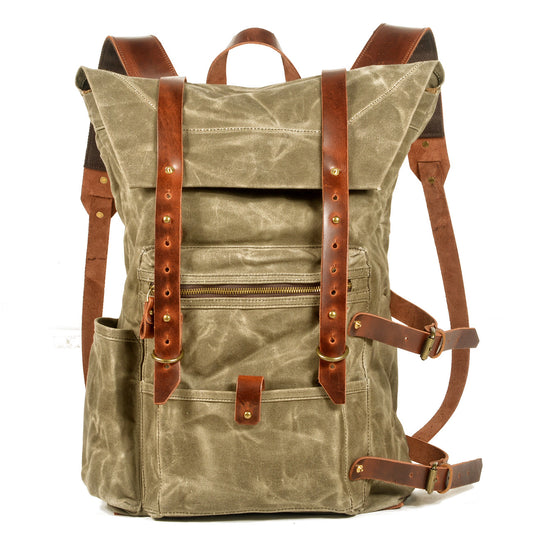
- Schnittfeste Einsätze oder ein unauffälliges Äußeres. Schnittfestes Gewebe ist in den meisten Studienorten ein Nischenbedarf; unauffällig auszusehen ist universell nützlich. Ein einfacher Rucksack aus gewachstem Canvas oder mit Lederbesatz wirkt eher wie eine Studententasche als ein Touristen-Ziel.
- Keine externen Netztaschen für Wertsachen. Nur Wasserflaschen. Alles, was in einer offenen Tasche in einer überfüllten U-Bahn sichtbar ist, ist eine Spende.
Noch eine Gewohnheit, die jede Hardware übertrifft: Teilen Sie Ihr Geld und Ihre Dokumente auf. Eine Karte und etwas Bargeld in Ihrer Geldbörse für den Tag, eine Ersatzkarte und Notfallbargeld in einer separaten Tasche oder in Ihrer Unterkunft. Der Verlust eines Rucksacks sollte niemals den Verlust von allem bedeuten.
Komfort und der tägliche Weg
Sie werden diese Tasche fünf Tage die Woche über Monate tragen. Komfortmerkmale, die für einen 20-minütigen Campusweg übertrieben erscheinen, zahlen sich kumulativ aus.
Schultergurt-System
Die Gurte sollten an der Schulter mindestens 6 cm breit sein, konturiert statt gerade und aus einem festen Schaumstoff bestehen, der sich nicht innerhalb eines Semesters flach drückt. Gerade Gurte scheuern am Hals bei Personen mit abfallenden Schultern.
Rückenpolster und Belüftung
Eine Rückenplatte aus Kanal-Schaumstoff mit Belüftungsrillen macht in mediterraner oder südostasiatischer Hitze einen echten Unterschied. Eine völlig flache Platte hinterlässt innerhalb von zehn Minuten Gehen bei hoher Luftfeuchtigkeit einen Schweißfleck auf Ihrem gesamten Rücken.
Hüftgurt und Brustgurt
Für den täglichen Campusgebrauch wünschen Sie sich einen abnehmbaren oder verstaubaren Hüftgurt – ein baumelnder Gürtel ist in einem Hörsaal störend. Für Reisetage möchten Sie ihn jedoch dabei haben. Ein Brustgurt ist klein, günstig und verhindert, dass die Schultergurte beim Beladen des Rucksacks nach außen rutschen; achten Sie auf einen, der vertikal auf einer Schiene verstellbar ist.
Rückenlänge
Unter 35 Litern muss die Rückenlänge selten angepasst werden. Darüber hinaus sollten Sie prüfen, ob die Gurthöhe zu Ihnen passt: Der Hüftgurt sollte Ihren oberen Beckenbereich umschließen, nicht Ihre Taille. Wenn der Hüftgurt eines großen Rucksacks über Ihren Hüftknochen liegt, ist der Rucksack zu lang für Ihren Oberkörper und wird niemals richtig getragen.
Materialien für einen zwei- bis vierjährigen Rucksack
| Material | Haltbarkeit | Wetter | Gewicht | Am besten für |
|---|---|---|---|---|
| Gewachstes Baumwoll-Canvas | Sehr hoch; altert zu Patina | Wasserabweisend, erneuerbar | Mittel | Allround-Nutzung im Auslandsstudium |
| Canvas mit Lederbesatz | Hoch; Leder schützt Verschleißstellen | Gut mit Pflege | Mittel-schwer | Smart-Casual-Campusse, Stadtprogramme |
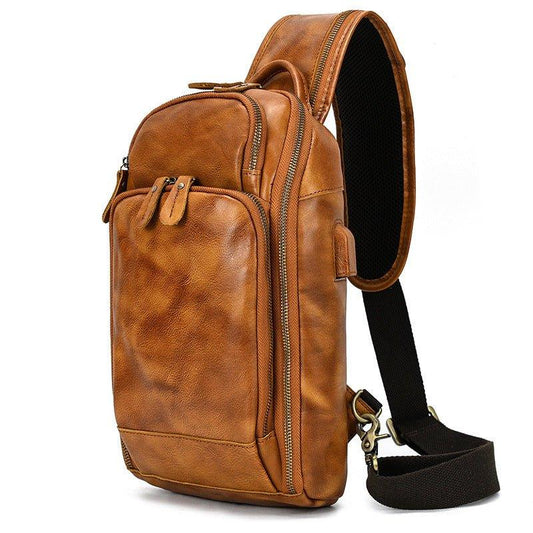
| Vollnarbiges Leder | Hervorragende Lebensdauer | Benötigt Pflege | Schwer | Postgraduiertenstudium, berufliches Umfeld |
| Beschichtetes Nylon / Polyester | Gut; kann an Ecken abreiben | Ausgezeichnet | Leicht | Häufige Wochenendreisen, feuchte Klimazonen |
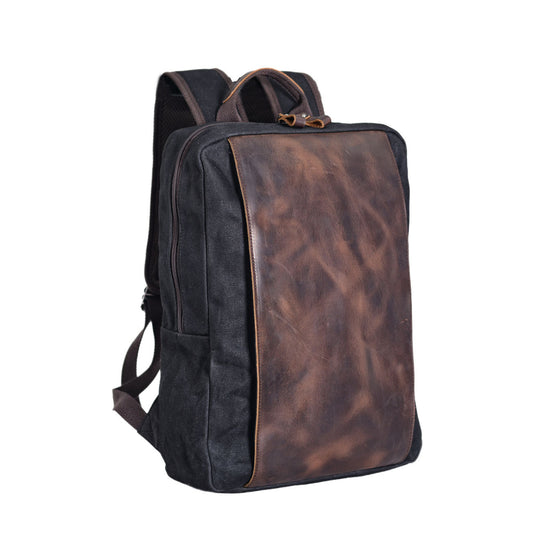
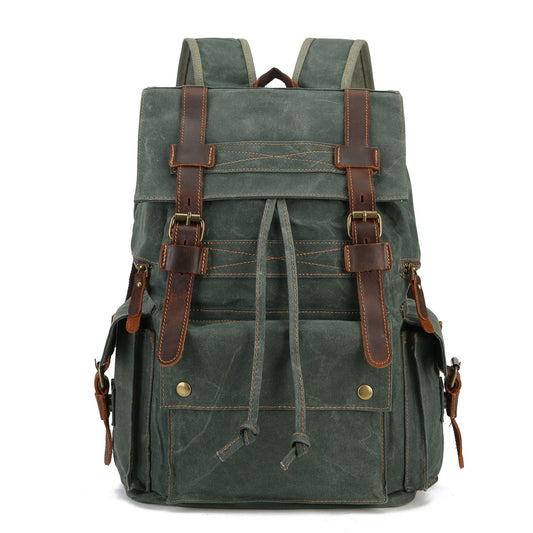
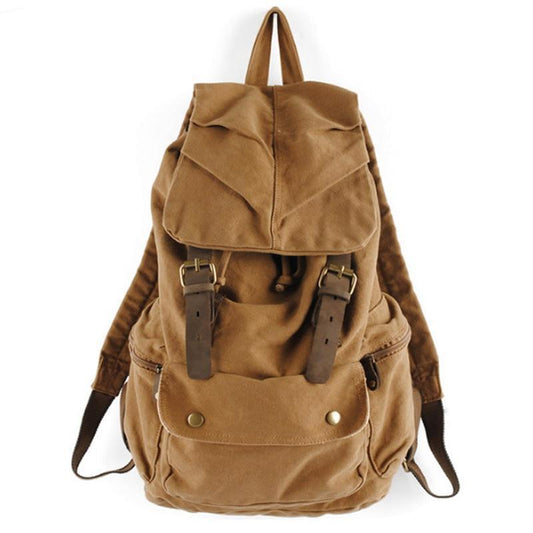
Gewachstes Segeltuch ist die stärkste Allround-Lösung für einen Rucksack für das Auslandsstudium. Es weist Regen ab, verträgt Schrammen, ohne beschädigt auszusehen, kann für ein paar Pfund nachgewachst werden, wenn es austrocknet, und sieht sowohl in einem Seminar als auch in einem Hostel-Gemeinschaftsraum passend aus. Segeltuch-Leder-Konstruktionen bieten Abriebschutz genau dort, wo Rucksäcke zuerst verschleißen – an den Basisecken und den Gurtankern. Die Kollektion von Canvas- und Lederrucksäcken zeigt, wie diese Verstärkung typischerweise ausgeführt wird.
Vollnarbiges Leder ist die Wahl für Postgraduierte, Business Schools und jeden, der in einem Praktikum oder einer Ausbildung tätig ist, wo das Aussehen eine Rolle spielt. Erwarten Sie, 2,5-3,5 kg Leergewicht in Kauf zu nehmen, im Gegenzug für eine Tasche, die Ihr Studium um Jahrzehnte überdauern wird. Die Kollektion echter Lederrucksäcke deckt dieses Marktsegment ab.
Wetter: Regen, Feuchtigkeit und Schnee
Fast kein Rucksack ist wirklich wasserdicht, denn die Reißverschlüsse lecken lange, bevor der Stoff es tut. Was Sie wollen, ist eine Tasche, die einem 20-minütigen Regenmarsch standhält, ohne Ihre Notizen zu durchnässen.
- Nordeuropa, Großbritannien, Pazifischer Nordwesten: gewachstes Segeltuch oder beschichteter Stoff, plus eine packbare Regenhülle. Jährlich nachwachsen.
- Mittelmeer und Südeuropa: Belüftung ist für den Großteil des akademischen Jahres wichtiger als Wasserdichtigkeit.
- Südost- und Ostasien: Priorisieren Sie schnell trocknende Materialien und vermeiden Sie unbehandeltes pflanzlich gegerbtes Leder, das bei anhaltender Feuchtigkeit fleckig werden und schimmeln kann.
- Kanada, nördliche USA, nordische Länder: Prüfen Sie, ob Reißverschlüsse bei Kälte noch funktionieren; übergroße Reißverschlusszieher sind mit Handschuhen bedienbar. Salzsprühnebel von winterlichen Gehwegen schädigt Leder, daher den Boden regelmäßig abwischen.
Unabhängig vom Klima sollten Sie immer einen Dry Bag oder einen robusten Gefrierbeutel für Ihren Laptop und Ihre Dokumente dabei haben. Er wiegt nichts und macht einen schlechten Tag zu einem Nicht-Ereignis.
Was tatsächlich hineinkommt
Ein typischer Campustag
- Laptop und Ladegerät
- Ein A4-Notizbuch und ein Federmäppchen
- Wiederverwendbare Wasserflasche in einer Außentasche
- Mittagessen oder Snacks
- Kompakter Regenschirm oder verstaubare Regenjacke
- Kabeltasche, Kopfhörer, Powerbank
Das sind ungefähr 12-16 Liter, weshalb sich eine 30-Liter-Tasche an einem Wochentag locker anfühlt. Kompressionsriemen lösen das Problem des Durchhängens und sind es wert, beim Kauf darauf zu achten.
Ein dreitägiger Wochenendtrip
- Drei T-Shirts oder Oberteile, gerollt
- Eine zusätzliche Hose
- Unterwäsche und Socken für vier Tage
- Eine warme Zwischenschicht
- Kompaktes Kulturbeutel-Set mit 100 ml Flüssigkeiten in einem durchsichtigen Beutel
- Laptop oder Tablet, Ladegeräte, Adapter
- Reisehandtuch und eine Ersatztasche für die Wäsche
Verpackt in zwei Kompressionswürfeln landen wir bei etwa 26-30 Litern, was genau der Grund ist, warum der Bereich von 25-32 Litern der empfohlene Sweet Spot für einen Auslandsstudienrucksack ist.

Häufige Fehler von Studenten
- Kauf für die größte Reise. Sie werden eine lange Reise und dreißig kurze unternehmen. Wählen Sie die Größe für den Regelfall.
- Leergewicht ignorieren. Bei einem Handgepäcklimit von 7 kg kostet Sie ein 2 kg schwerer Rucksack fast 30 % Ihres Freigepäcks.
- Einen Toploader wählen. Einen Toploader-Rucksack in einem dunklen Sechs-Bett-Schlafsaal um 6 Uhr morgens neu zu packen, ist eine wirklich elende Erfahrung. Panel- oder Clamshell-Zugang ist viel wert.
- Die Wasserflaschentasche vergessen. Eine externe Stretch-Tasche hält Flüssigkeiten außerhalb des Fachs, in dem sich Ihr Laptop befindet. Nicht verhandelbar.
- Den Brustgurt weglassen. Kleines Teil, große Komfortwirkung, sobald der Rucksack über 6 kg beladen ist.
- Annehmen, dass ein Rucksack nicht elegant aussehen kann. Ein Rucksack aus Segeltuch und Leder oder Vollleder ist für Praktika, Präsentationen und Vorstellungsgespräche absolut angemessen.
Häufig gestellte Fragen
Welche Rucksackgröße ist am besten für ein Auslandsstudium?
25-32 Liter sind für die meisten Studierenden geeignet. Er fasst an einem Campustag Laptop und Kursmaterialien, packt Kleidung für drei bis vier Tage für einen Wochenendausflug und lässt sich klein genug komprimieren für die meisten Fluggesellschaften.
Kann ein einziger Rucksack sowohl für den Campus als auch für Reisen geeignet sein?
Ja, wenn er einen Panel- oder Clamshell-Zugang, eine schwebende Laptophülle, Kompressionsriemen und einen verstaubaren Hüftgurt besitzt. Diese vier Merkmale ermöglichen es einem einzigen Rucksack, ohne Kompromisse zwischen dem täglichen akademischen Gebrauch und dem Wochenendgepäck zu wechseln.
Passt ein 30-Liter-Rucksack als persönlicher Gegenstand ins Flugzeug?
Oft, aber nicht immer. Europäische Billigfluggesellschaften begrenzen persönliche Gegenstände häufig auf etwa 40 x 20 x 25 cm, sodass ein 30-Liter-Rucksack leicht gepackt und vollständig komprimiert werden muss, um durchzukommen. Wenn Sie die meisten Wochenenden Billigflugrouten in Europa fliegen, ist ein 18-24-Liter-Rucksack die sicherere Wahl.
Ist gewachstes Segeltuch oder Leder besser für einen Studentenrucksack?
Gewachstes Segeltuch ist der bessere Allrounder: leichter, wetterbeständiger und leicht durch Nachwachsen aufzufrischen. Vollnarbiges Leder hält länger und wirkt formeller, was für Postgraduiertenstudium und berufliche Praktika geeignet ist, erhöht aber das Leergewicht um 1-2 kg.
Wie schütze ich einen Laptop in einem Reiserucksack?
Verwenden Sie einen Rucksack mit einer schwebenden Hülle, die über dem Boden des Rucksacks liegt, Polsterung auf beiden Seiten und einem Haltegurt. Fügen Sie eine schlanke gepolsterte Hülle hinzu, wenn das Fach lose ist, und stellen Sie einen beladenen Rucksack niemals unsanft auf einen gefliesten Boden.
Sind diebstahlsichere Rucksäcke für ein Auslandsstudium sinnvoll?
Abschließbare Reißverschlussschieber und eine versteckte Rückentasche decken die meisten realistischen Risiken ab. Eine vollständig schnittfeste Konstruktion ist in typischen Studienorten selten notwendig, und eine diskrete, unauffällig aussehende Tasche ist eine effektivere Abschreckung als sichtbare Sicherheitshardware.
Wie lange sollte ein Auslandsstudien-Rucksack halten?
Ein hochwertiger Rucksack aus gewachstem Segeltuch oder Segeltuch und Leder sollte problemlos vier bis sechs Jahre täglichen Gebrauchs halten, und ein Volllederrucksack sogar deutlich länger. Verstärkte Bodenecken und bartacked Gurtanker sind die Details, die die Lebensdauer bestimmen.
Ihren Rucksack auswählen
Der richtige Auslandssemester-Rucksack ist nicht der größte, der billigste oder der technisch aufwendigste. Er ist derjenige, der in Ihrer Routine verschwindet – leicht genug, um ihn jeden Tag zu tragen, organisiert genug, um ihn am Freitagnachmittag in zehn Minuten zu packen, robust genug, um ein Jahr voller Züge, Spinde und regnerischer Spaziergänge über den Campus zu überstehen.
Beginnen Sie mit einem Fassungsvermögen im Bereich von 25-32 Litern, bestehen Sie auf einer schwebenden Laptop-Hülle und Panel-Zugang, prüfen Sie das Leergewicht im Vergleich zu den Fluggesellschaften, mit denen Sie tatsächlich fliegen werden, und wählen Sie ein Material, das zu Ihrem Klima passt. Gewachste Leinwand für nasses und wechselhaftes Wetter, Leinwand mit Lederbesatz für einen schicken Allrounder, vollnarbiges Leder, wenn Ihr Programm eher professionell ausgerichtet ist.
Wenn Sie diese vier Entscheidungen richtig treffen, wird Sie eine einzige Tasche von Ihrer ersten Vorlesung bis zu Ihrem letzten Flug nach Hause begleiten – über den Campus, als Handgepäck und auf jeder Wochenendreise dazwischen.