
Persönlicher Gegenstand vs. Handgepäck: Wie man mit einer Tasche reist, die nicht wie Gepäck aussieht (2026)

Die Unterscheidung zwischen Personal Item und Handgepäck ist still und leise zum wertvollsten Reise-Wissen geworden, das man besitzen kann. Fluggesellschaften haben in den letzten Jahren Tarife entbündelt, den Stauraum in den Gepäckfächern verknappt und Personal geschult, um übergroße Taschen am Gate zu erkennen – und der Reisende, der genau weiß, was unter den Sitz passt und was in das Gepäckfach gehört, fliegt jetzt schneller, billiger und mit weniger Angst als alle anderen in der Warteschlange. Im Jahr 2026 geht die intelligenteste Version dieser Fähigkeit noch einen Schritt weiter: die Wahl einer Tasche, die die Grenzen einhält und sich nicht als Gepäck zu erkennen gibt.
Dieser Leitfaden erklärt, was jede Kategorie tatsächlich bedeutet, gibt aktuelle Größenbereiche in Europa, Asien und Amerika an, vergleicht die unbemerkt bleibenden Taschenstile und zeigt, wie man eine Fünf-Tages-Reise in etwas packt, das unter einen Sitz passt. Egal, ob Sie Gebühren bei einer Billigfluggesellschaft vermeiden möchten oder einfach nur aus dem Flugzeug direkt zu einem Meeting gehen wollen, die Prinzipien sind die gleichen.
Personal Item vs. Handgepäck: Was die Begriffe tatsächlich bedeuten
Ein Personal Item ist die kleinere Tasche, die unter den Vordersitz passen muss. Ein Handgepäckstück ist die größere Tasche, die in das Gepäckfach über den Sitzen kommt. Fast jede Fluggesellschaft weltweit erlaubt ein Personal Item in jeder Tarifklasse, einschließlich Basic Economy. Für das Handgepäck erheben Billigfluggesellschaften zunehmend Gebühren.
| Merkmal | Personal Item | Handgepäck |
|---|---|---|
| Typische Größe | 40 x 30 x 20 cm | 55 x 40 x 23 cm |
| Typisches Volumen | 15–25 Liter | 35–45 Liter |
| Stauraum | Unter dem Vordersitz | Gepäckfach über den Sitzen |
| Normalerweise im Tarif enthalten | Ja, fast immer | Oft extra bei Billigfluggesellschaften |
| Risiko der Gate-Abfertigung | Sehr gering | Mäßig bei vollen Flügen |
| Reisedauer, die es unterstützt | 3–7 Tage bei diszipliniertem Packen | 1–3 Wochen bequem |
| Zugang während des Fluges | Vollständig, jederzeit | Eingeschränkt während Rollen, Start, Landung |
Die strategische Erkenntnis ist diese: Ein gut designtes 20-Liter-Personal Item fasst weit mehr, als die meisten Leute annehmen, und es ist die eine Freigepäckmenge, die keine Fluggesellschaft wegnehmen kann. Meistern Sie dies, und Sie sind praktisch gebührensicher.
Größenbeschränkungen 2026 nach Region
Die Abmessungen variieren, und die Variation ist nicht zufällig – sie richtet sich nach Flugzeugtyp, Streckenlänge und wie aggressiv die Fluggesellschaft Gepäck monetarisiert. Bestätigen Sie dies immer auf der Website der Fluggesellschaft vor der Abreise, aber diese Bereiche gelten für die meisten Betreiber.
Europa
Europäische Billigfluggesellschaften sind die strengsten Kontrolleure auf dem Planeten und verwenden Größenmessgeräte am Gate. Die Limits für Personal Items liegen üblicherweise bei etwa 40 x 30 x 20 cm, gelegentlich auch bei nur 40 x 20 x 25 cm. Für bezahlte Handgepäckstücke sind in der Regel 55 x 40 x 20 cm mit einem Gewichtslimit von 10 kg erlaubt. Traditionelle Fluggesellschaften sind großzügiger – oft 55 x 40 x 23 cm mit 8–12 kg erlaubt – aber der Stauraum in Regionaljets in Spanien, Italien und den nordischen Ländern füllt sich schnell, sodass Spätboarder unabhängig von der Einhaltung der Regeln am Gate abgefertigt werden. Wenn Sie Europa häufig bereisen, richten Sie Ihre Ausstattung nach dem kleineren Messgerät aus, nicht nach dem großzügigeren.
Asien-Pazifik
Gewicht ist in weiten Teilen Asiens die maßgebliche Einschränkung. Viele Fluggesellschaften erlauben eine kombinierte Handgepäckmenge von insgesamt 7 kg, und sie wiegen die Taschen beim Check-in, anstatt sie zu messen. Dies ändert Ihre Strategie vollständig: Eine große, aber leichte Tasche wird durchgelassen, eine kompakte, aber schwere Tasche scheitert. Japanische und koreanische Fluggesellschaften neigen dazu, dimensionsorientiert und recht großzügig zu sein; mehrere südostasiatische und indische Billigfluggesellschaften setzen die 7 kg strikt durch. Auf Inlandsflügen mit kleineren Flugzeugen – Inselhüpfer in Indonesien und den Philippinen, regionale Turboprops in Thailand – ist der Stauraum wirklich winzig, und ein Gepäckstück unter dem Sitz ist oft das Einzige, was bei Ihnen bleibt.
Nord- und Südamerika
Nordamerikanische Fluggesellschaften wiegen selten Handgepäck, was die Region freundlicher für schwere Gegenstände wie Kameragehäuse und Laptops macht. Die Standard-Handgepäcklimits liegen bei etwa 56 x 36 x 23 cm und die Personal Items bei etwa 45 x 35 x 20 cm, was eine der großzügigsten Unter-Sitz-Zulassungen überhaupt ist. Basic Economy Tarife bei mehreren US-Fluggesellschaften schließen das Gepäckfach ganz aus, wodurch das Personal Item die gesamte Zulage darstellt. In Lateinamerika haben Billigfluggesellschaften in Mexiko, Kolumbien und Brasilien das europäische Modell übernommen, sodass Sie Größenmessgeräte, strikte Durchsetzung und kostenpflichtiges Handgepäck erwarten können.
Warum "sieht nicht nach Gepäck aus" tatsächlich wichtig ist
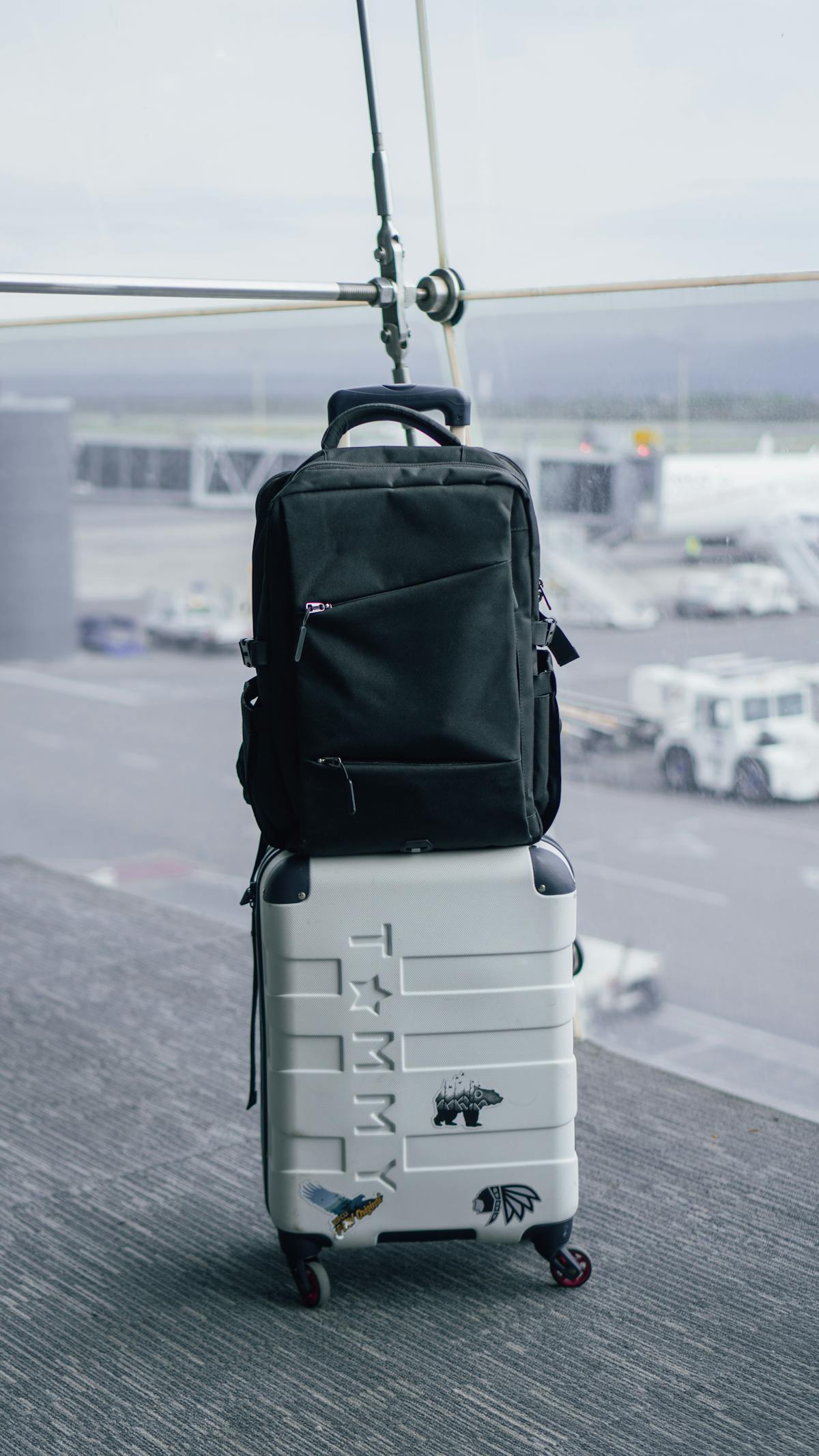
Der visuelle Test des Gate-Agenten
Agenten scannen eine Boarding-Warteschlange in Sekundenschnelle. Sie suchen nach Hartschalen, Teleskopgriffen, Spinner-Rädern und starren rechteckigen Silhouetten – der visuellen Grammatik eines Koffers. Eine weiche Reisetasche, eine strukturierte Tragetasche oder ein unauffälliger Rucksack liest sich als „Tasche“, nicht als „Gepäck“, und zieht einfach weniger Größenkontrollen an. Hierbei geht es nicht um Täuschung; es geht darum, eine Kontrolle einer Tasche zu vermeiden, die bereits konform ist.
Anpassung am Zielort
Rollkoffer kennzeichnen Sie sofort als Touristen, sobald Sie das Terminal verlassen, und Kopfsteinpflaster in Lissabon, Kyoto oder Cartagena sind ohnehin feindselig gegenüber kleinen Rädern. Eine Leinen- oder Ledertasche ermöglicht es Ihnen, vom Flughafen zu einem Café zu einem Meeting zu gehen, ohne auszusehen, als wären Sie gerade auf der Durchreise.
Aufmerksamkeit und Diebstahlgefahr
Offensichtliches Gepäck signalisiert einen Reisenden, der desorientiert ist, Wertsachen bei sich trägt und mit der Gegend nicht vertraut ist. Taschen, die wie Alltagsgegenstände wirken, erregen in U-Bahnen, in Bahnhofscafés und an Touristenattraktionen weniger Interesse. Kombiniert man dies mit versteckten Reißverschlüssen und einer dezenten Farbgebung, eliminiert man einen Großteil des Risikos kostenlos.
Komfort beim Transit
Treppen in älteren europäischen Bahnhöfen, unbefestigte Wege, überfüllte Bahnsteige und lange Wege zwischen Terminals begünstigen alle eine Tasche, die man über der Schulter oder auf dem Rücken tragen kann. Räder helfen genau in einem Szenario – auf glatten, ebenen Böden – und behindern die meisten anderen.
Fünf Taschenstile, die unbemerkt bleiben
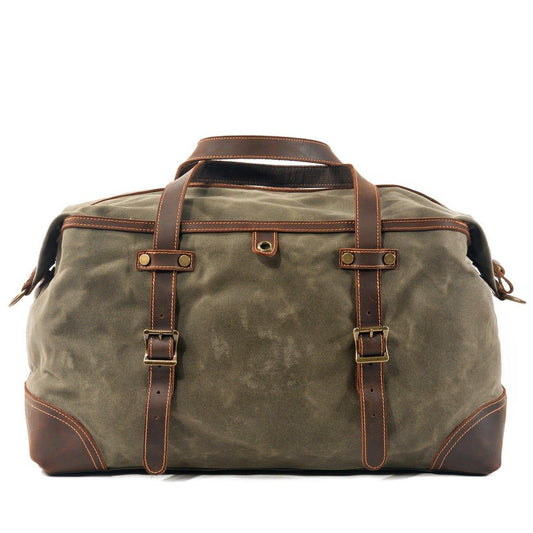
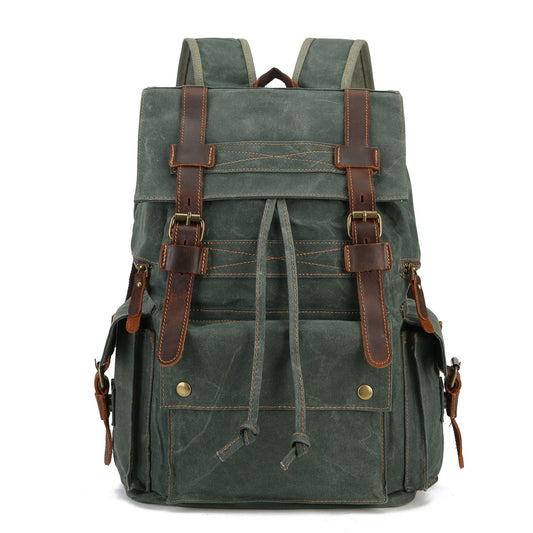
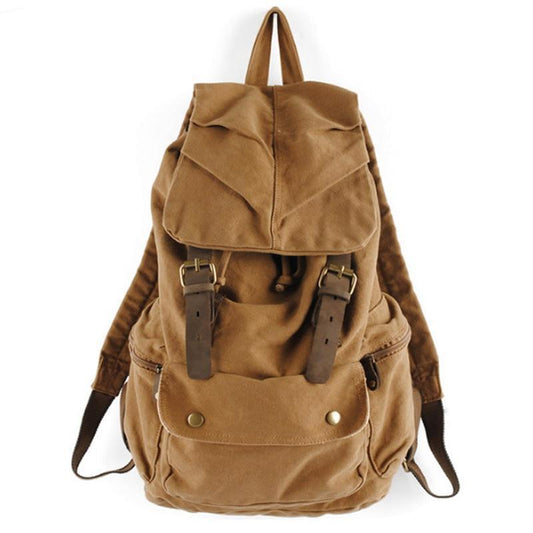
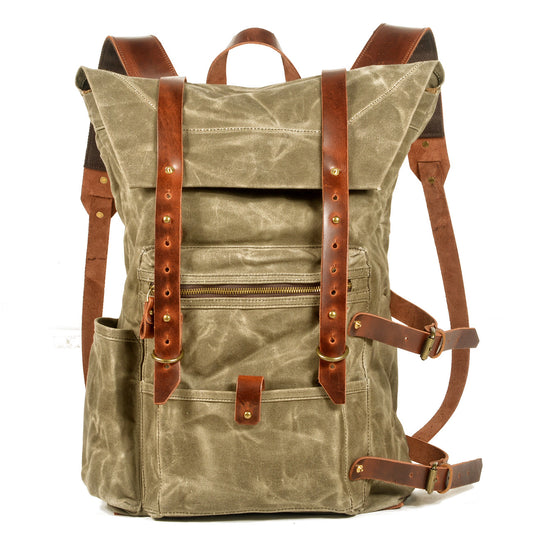
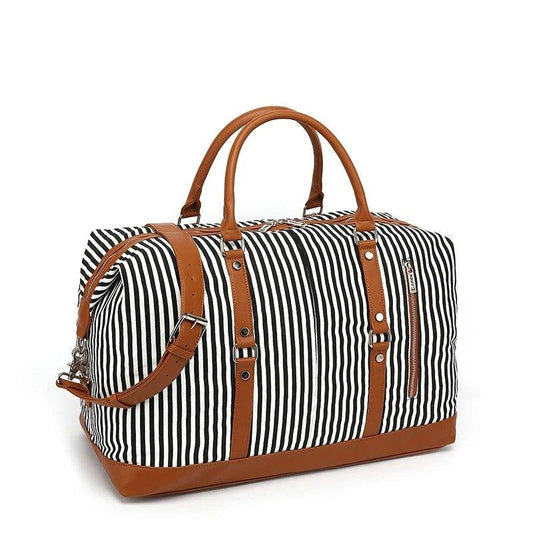
- Reisetasche aus gewachstem Canvas (35–40L): Weich, komprimierbar, wetterfest und sofort als Wochenendtasche statt als Reisegepäck erkennbar. Passt in enge Größenmessgeräte, da keine starre Schale vorhanden ist. Beste Allround-Wahl für das bezahlte Handgepäckfach.
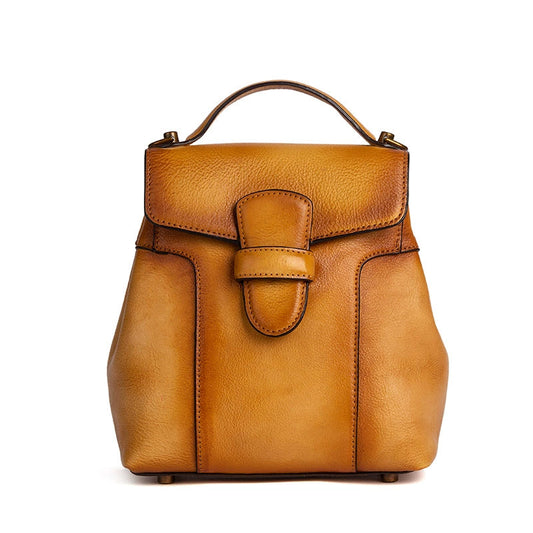
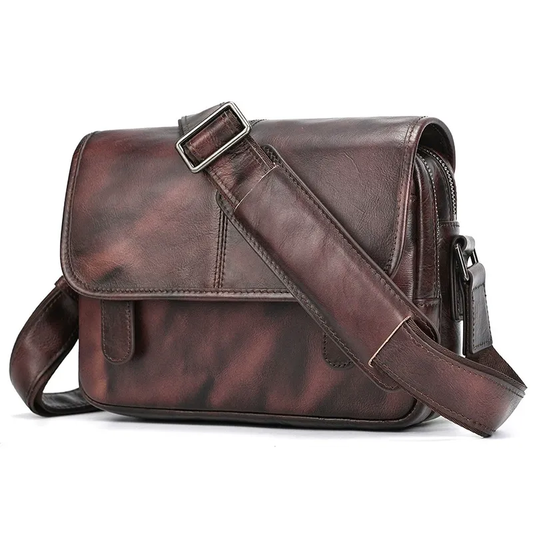
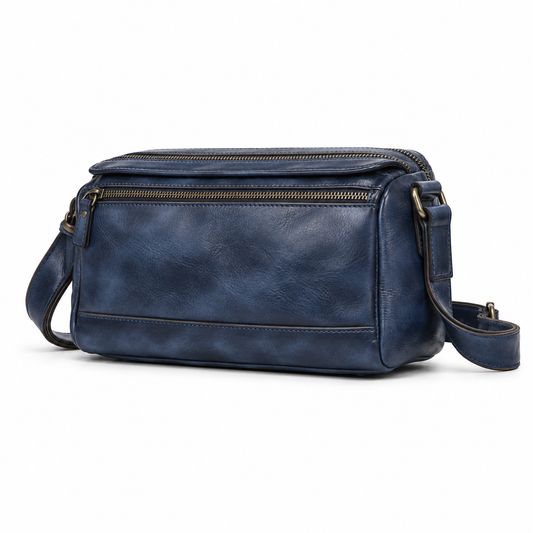
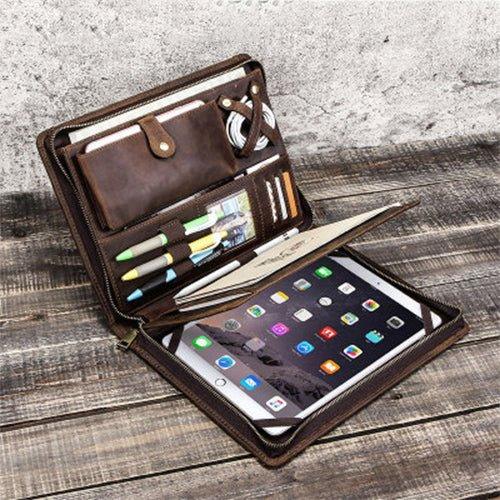
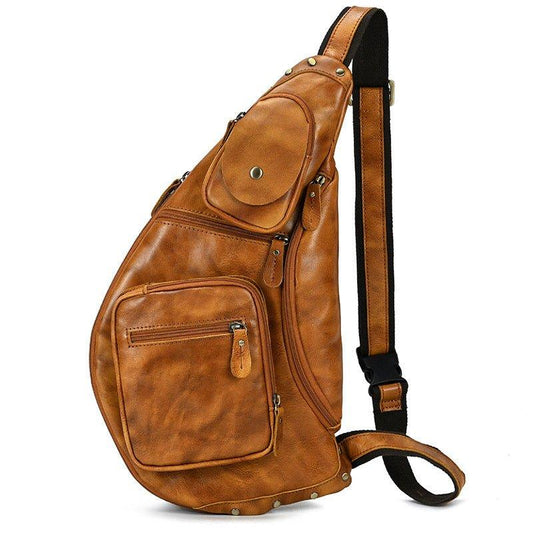
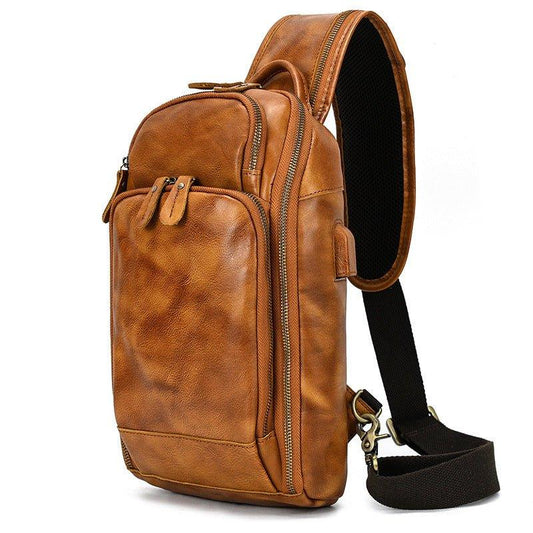
- Wochenendtasche aus Leder (35–45L): Die professionellste Option, ideal, wenn Sie landen und direkt zum Kunden gehen. Leerer schwerer, was auf 7 kg asiatischen Strecken wichtig ist, aber unübertroffen in Präsentation und Langlebigkeit.
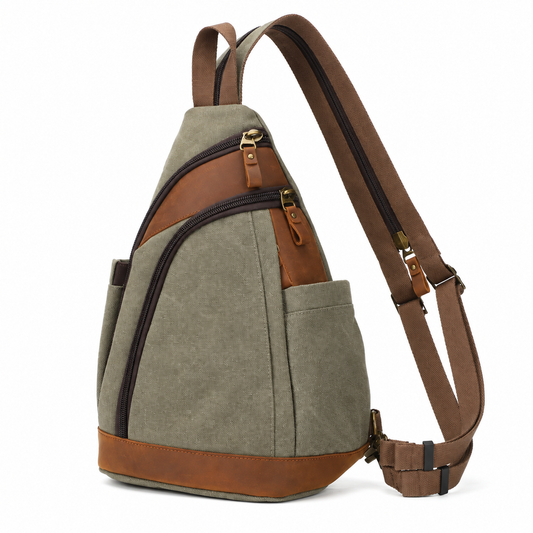
- Rucksack-Duffle-Hybrid (30–40L): Als Duffle durch das Terminal tragen, für Treppen und Spaziergänge in Rucksackgurte umwandeln. Die praktischste Einzellösung für gemischte Reiserouten und der am schnellsten wachsende Stil seit 2024.
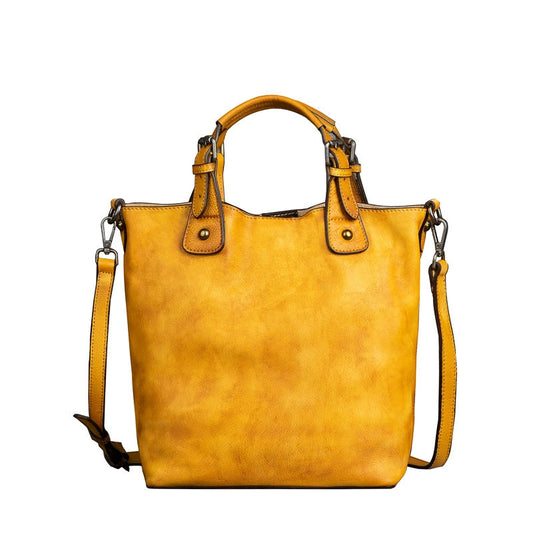
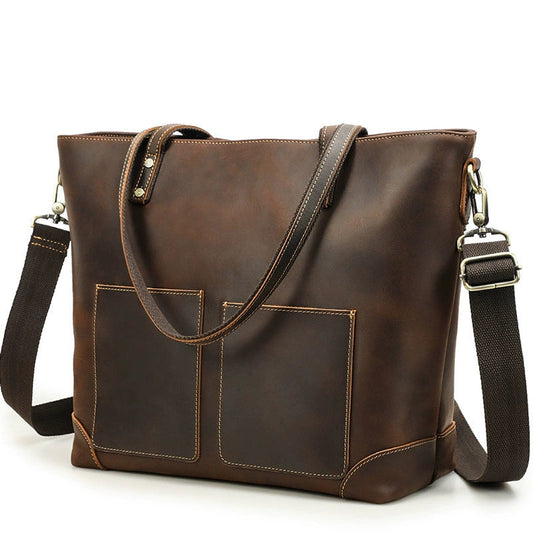
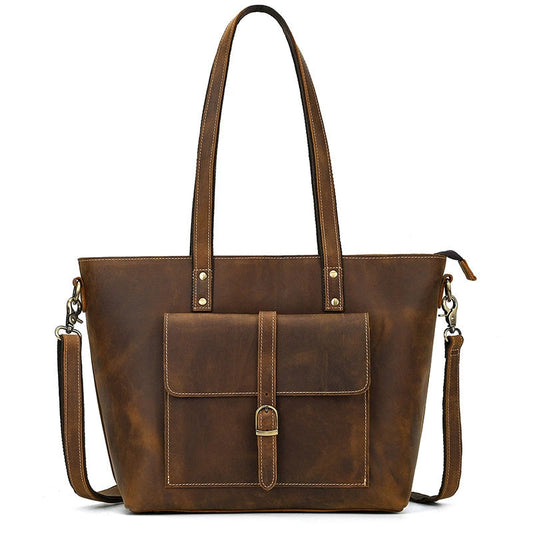
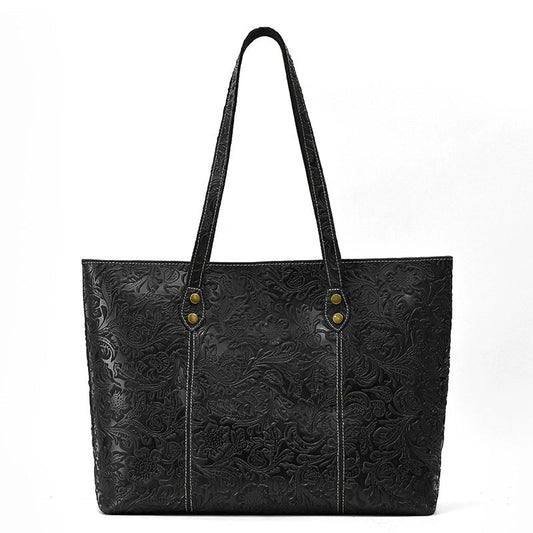
- Strukturierte Tote Bag (18–25L): Das ideale Personal Item. Passt unter den Sitz, lässt sich für Sicherheitskontrollen flach öffnen, fasst einen Laptop und sieht eher nach einer Arbeitstasche als nach Reiseausrüstung aus.
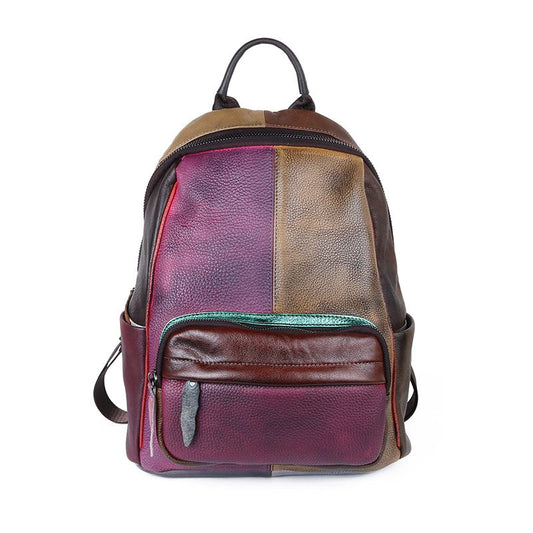
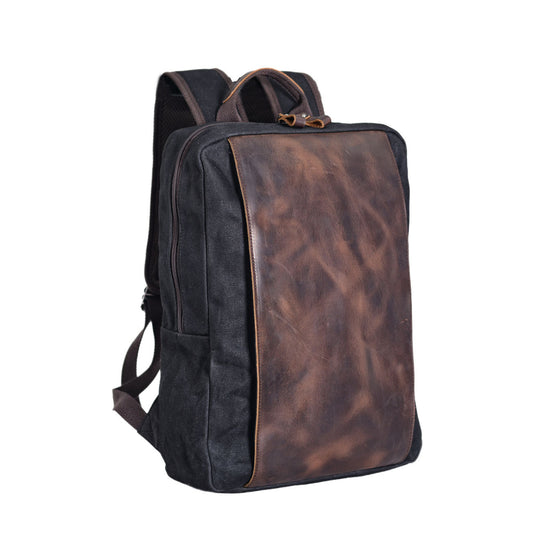
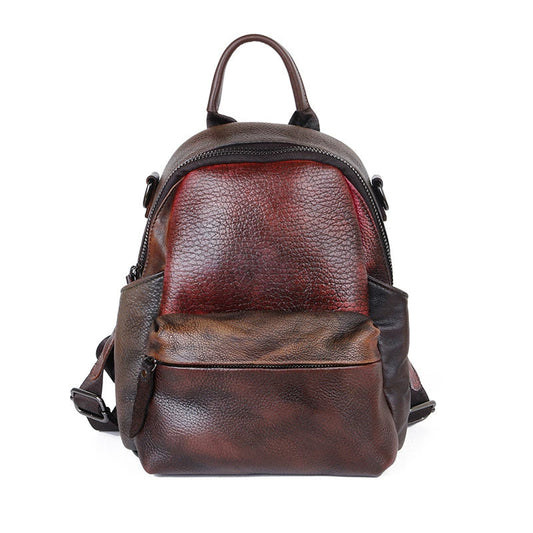
- Unauffälliger Reise-Rucksack (20–28L): Klare Linien, keine flatternden Außengurte, eine interne Laptophülle. Geht als Pendlerrucksack durch und passt in fast jeden Unter-Sitz-Bereich der Welt.
Materialien: Was Gepäckfächer, Regen und Gepäckabfertiger überlebt
Gewachstes Canvas ist der pragmatische Gewinner. Es widersteht Regen durch seine Wachsimprägnierung, nimmt Kratzer auf, ohne Schaden zu zeigen, lässt sich frei komprimieren und kann unbegrenzt nachgewachst werden. Erwarten Sie etwa 500–700 g mehr Gewicht als Nylon bei gleichem Volumen.
Vollnarbenleder altert besser als jedes andere Material und sieht jedes Jahr teurer aus. Es ist die schwerste Option und muss zweimal im Jahr gepflegt werden, aber eine gute Ledertasche ist wirklich eine Anschaffung für zwanzig Jahre.
Beschichtetes Nylon und Polyester sind die leichte Wahl, was bei gewichtsabhängigen Beschränkungen enorm wichtig ist. Sie sind gut wasserabweisend, zeigen aber schneller Abrieb und verbessern sich selten mit dem Alter.
Hartschalen-Polycarbonat schützt zerbrechliche Inhalte am besten, fällt aber beim Diskretionstest durch, lässt sich nicht in ein enges Größenmessgerät komprimieren und fügt 2–3 kg hinzu, bevor Sie überhaupt etwas packen.
Für wettertaugliche, weiche Optionen ist die Kollektion an gewachsten Canvas-Taschen der natürliche Ausgangspunkt, während konvertierbare Designs im Bereich der Rucksack-Duffle-Taschen zu finden sind. Wenn Sie eine Kabinentasche wünschen, die auch als Wochenendtasche dient, vergleichen Sie die Größen in der Duffle Bag-Kollektion, bevor Sie sich festlegen.
Wie man fünf Tage in ein Personal Item packt
Es klingt unwahrscheinlich, bis man es einmal gemacht hat. Die Methode beruht auf drei Regeln: Tragen Sie Ihre sperrigsten Gegenstände, wählen Sie eine einzige Farbpalette und planen Sie, eine Wäsche auf halber Strecke der Reise zu erledigen.
- Am Flugzeug getragen: schwerste Schuhe, Jacke oder Überhemd, Jeans oder Hose. Nichts davon zählt zu Ihrem Gepäck.
- In der Tasche: 3 T-Shirts oder Oberteile, 1 zusätzliches Hemd, 1 leichter Strickpullover, 5 Paar Unterwäsche und Socken, 1 Paar packbare Schuhe oder Sandalen, Schlafanzug.
- Toilettenartikel: ein durchsichtiger 1-Liter-Beutel mit festen Produkten und Abfüllungen. Feste Shampoo-Riegel, eine Zahnpastatabletten-Dose und ein kompakter Rasierer lösen die meisten Flüssigkeitsprobleme vollständig.
- Technik: Laptop oder Tablet, ein Multiport-Ladegerät, ein Kabel pro Gerät, Universaladapter, Powerbank unter 100 Wh.
- Dokumente und Kleinigkeiten: Reisepass, Karten, ein schmales Portemonnaie, Medikamente in Originalverpackung.
Rollen Sie weiche Kleidungsstücke, anstatt sie zu falten, um etwa 20 % Volumen zu sparen und Falten zu reduzieren. Verwenden Sie zwei kleine Packwürfel – einen für Kleidung, einen für Unterwäsche und Socken – damit Sicherheitskontrollen nicht zu einer Auspackübung werden. Füllen Sie Schuhe mit Socken und Ladegeräten. Halten Sie den Flüssigkeitsbeutel und den Laptop in einer Außentasche bereit, die Sie erreichen können, ohne das Hauptfach öffnen zu müssen.
Der Kompressionsvorteil von weichen Taschen
Ein starrer Koffer, der 56 cm misst, passt niemals in ein 55 cm großes Messgerät. Eine weiche Reisetasche, die auf 58 cm gepackt ist, lässt sich auf 54 cm komprimieren, wenn man sie hineindrückt, da Stoff nachgibt und eine Schale nicht. Dies ist der größte praktische Grund, warum erfahrene Ein-Taschen-Reisende auf europäischen und lateinamerikanischen Billigfluggesellschaften starre Koffer vermeiden.
Um dies auszunutzen, packen Sie weiche Gegenstände an die Enden der Tasche und dichte Gegenstände in die Mitte, vermeiden Sie das Überfüllen externer Taschen, die harte Ecken erzeugen, und verwenden Sie interne Kompressionsriemen, falls die Tasche welche hat. Testen Sie die beladene Tasche vor dem Flug mit einem selbstgemachten Kartonmessgerät – dreißig Sekunden Vorbereitung nehmen den schlimmsten Stress am Abfertigungsschalter.
Gewichtsbeschränkungen und wie man damit umgeht
Auf Routen mit Gewichtsbeschränkungen ist das Leergewicht des Gepäcks die günstigste Einsparungsmöglichkeit. Eine 1,1 kg schwere Canvas-Reisetasche gegenüber einem 3,4 kg schweren Hartschalenkoffer gibt Ihnen 2,3 kg Kleidung, bevor Sie überhaupt etwas gepackt haben – das ist ungefähr ein Drittel einer 7 kg-Freigepäckmenge.
- Wiegen Sie Ihre beladene Tasche zu Hause mit einer Gepäckwaage; Schätzen kostet am Schalter Geld.
- Bewegen Sie dichte Gegenstände – Bücher, Ladegeräte, Kameragehäuse – während des Check-ins in Jackentaschen, wenn Sie an der Grenze sind.
- Wählen Sie ein Paar Schuhe zum Packen und eines zum Tragen; Schuhe sind die schwerste Kategorie, die die meisten Menschen überpacken.
- Füllen Sie Flüssigkeiten in 50–100 ml Flaschen um. Toilettenartikel in Originalgröße können allein ein Kilo ausmachen.
- Lassen Sie die „für den Fall“-Schicht weg. Wenn Sie es an Ihrem Zielort für weniger als die Kosten einer Übergepäckgebühr kaufen können, lassen Sie es zu Hause.
Fehler, die dazu führen, dass Ihr Gepäck am Gate aufgegeben werden muss
Boarding in der letzten Gruppe. Der Stauraum in einem vollbesetzten Schmalrumpfflugzeug ist bei etwa 70 % der Passagiere ausgeschöpft. Die Einhaltung der Regeln hilft nicht, wenn die Gepäckfächer voll sind.
Überfüllte Außentaschen. Sie fügen 3–5 cm Tiefe hinzu, was genau die Dimension ist, die Größenmessgeräte erfassen.
Wasserflaschen in Seitentaschen. Eine herausragende Flasche verwandelt eine konforme Tasche in eine überdimensionale und ist der häufigste vermeidbare Fehler.
Zwei Personal Items mitbringen. Eine Tragetasche plus eine Kameratasche zählt als zwei. Stecken Sie die kleinere vor dem Boarding in die größere.
Annehmen, dass die Hinflugregeln auch für den Rückflug gelten. Codeshare- und Anschlussfluggesellschaften haben oft unterschiedliche Freigepäckmengen. Überprüfen Sie jedes Segment.
Zwei bewährte Setups, die fast jede Reise abdecken
Anstatt für jedes Szenario eine Tasche zu kaufen, konvergieren die meisten Vielreisenden auf eine von zwei Konfigurationen. Beide funktionieren weltweit; die richtige hängt davon ab, ob Sie gewichtsbeschränkte Routen fliegen.
Setup A – Der gebührensichere Minimalist. Eine einzelne 20–25 Liter strukturierte Tragetasche oder ein unauffälliger Rucksack, gefüllt mit etwa 5 kg, als Personal Item in jeder Tarifklasse, einschließlich Basic Economy. Dieses Setup zahlt nie eine Gepäckgebühr, wartet nie an einem Gepäckband und riskiert nie eine Gate-Kontrolle. Es eignet sich für drei- bis sechstägige Reisen, warme Klimazonen und alle, die mehrere kurze Strecken in einer Woche fliegen – Inselrouten in Griechenland oder den Philippinen, regionale Geschäftsreisen, Städtereisen. Die erforderliche Disziplin ist real: ein Paar gepackte Schuhe, eine strenge Farbpalette und feste Toilettenartikel. Im Gegenzug bewegen Sie sich in Flughäfen etwa halb so schnell wie üblich.
Setup B – Die weiche Kabinentasche plus kleiner Beutel. Eine 35–40 Liter gewachste Canvas-Reisetasche oder ein Rucksack-Duffle-Hybrid als kostenpflichtiges oder inkludiertes Handgepäck, plus eine schlanke Hülle oder Umhängetasche, die während des Boardings hineingesteckt und bei der Ankunft herausgenommen wird. Dies ist die beste Allround-Konfiguration für ein bis drei Wochen, gemischte Klimazonen und Reisen, bei denen Sie einen Laptop, eine Kamera und eine Jacke benötigen. Da die Haupttasche weich ist, lässt sie sich in europäische Größenmessgeräte komprimieren, die Hartschalenkoffer des gleichen nominalen Volumens ablehnen, und sie sieht eher wie Wochenendgepäck als nach Flughafenausrüstung aus.
Wann man vom Personal Item zum Handgepäck aufrüsten sollte
Ein Personal Item über seine natürliche Grenze hinaus zu strapazieren, ist eine falsche Sparsamkeit. Rüsten Sie auf eine größere Größe auf, wenn eines der folgenden Punkte zutrifft: Ihre Reise durchquert Jahreszeiten oder Höhenlagen und erfordert echte Schichten; Sie führen professionelle Ausrüstung wie ein Kameragehäuse mit mehreren Objektiven mit; die Reiseroute überschreitet eine Woche ohne Zugang zu Wäschemöglichkeiten; oder Sie reisen mit einem Kind, dessen Ausstattung in Ihrem Gepäck mitgeführt wird. Die zusätzlichen 15–20 Liter kosten bei Billigfluggesellschaften eine bescheidene Gebühr und bei den meisten traditionellen Tickets nichts, und es ist weit billiger, Ersatzkleidung am Zielort zu kaufen oder ein Gepäckstück am Gate gegen Aufpreis aufzugeben.
Häufig gestellte Fragen
Kann ein Rucksack als Personal Item zählen?
Ja, vorausgesetzt, er passt unter den Sitz – im Allgemeinen etwa 40 x 30 x 20 cm oder kleiner. Ein 20–25 Liter großer Rucksack, der nicht überfüllt ist, qualifiziert sich bei den meisten Fluggesellschaften. Rucksäcke über 30 Liter gelten stattdessen normalerweise als Handgepäck.
Ist eine Reisetasche als Handgepäck erlaubt?
Absolut, und weiche Duffle Bags sind oft am einfachsten zu verstauen, da sie komprimierbar sind. Halten Sie die gepackten Abmessungen innerhalb von etwa 55 x 40 x 23 cm und überprüfen Sie das Gewichtslimit bei gewichtsabhängigen Fluggesellschaften.
Was ist noch einmal der Unterschied zwischen einem persönlichen Gegenstand und einem Handgepäckstück?
Der persönliche Gegenstand kommt unter den Vordersitz und ist bei praktisch jedem Tarif inklusive. Das Handgepäckstück kommt in das Gepäckfach über den Sitzen, ist größer und bei Billigtickets häufig ein kostenpflichtiges Extra. Die Unterscheidung zwischen persönlichem Gegenstand und Handgepäck ist das, was Ihnen ermöglicht, einen Basistarif zu fliegen, ohne Gepäckgebühren zu zahlen.
Überprüfen Fluggesellschaften tatsächlich die Größen von persönlichen Gegenständen?
Europäische und lateinamerikanische Billigfluggesellschaften tun dies, indem sie Größenmessgeräte am Gate verwenden. Die meisten traditionellen und nordamerikanischen Fluggesellschaften überprüfen persönliche Gegenstände selten, es sei denn, eine Tasche ist sichtbar überdimensioniert. Wenn Sie Ihr Setup auf die strengste Begrenzung auslegen, der Sie begegnen werden, entfällt das Rätselraten.
Wie viele Tage kann ich nur mit einem persönlichen Gegenstand reisen?
Fünf bis sieben Tage sind realistisch mit einer neutralen Kapselgarderobe und einer Wäschepause in der Mitte der Reise. Reiseziele in warmen Klimazonen sind einfacher, da die Kleidung dünner ist; Winterreisen mit sperrigen Schichten benötigen in der Regel das volle Handgepäck.
Sind Rollkoffer jemals die bessere Wahl?
Ja – für schwere Lasten, lange Flughafen-Transfers, Mobilitätseinschränkungen oder Reisen, die rein von Hotel zu Konferenz auf glatten Oberflächen führen. Der Kompromiss ist 2–3 kg Leergewicht, keine Komprimierbarkeit und ein unverkennbar touristisches Aussehen.
Was ist mit Laptops und Flüssigkeiten bei der Sicherheitskontrolle?
Viele Flughäfen verwenden inzwischen CT-Scanner, die Laptops und Flüssigkeiten in der Tasche lassen, aber die Abdeckung ist weltweit uneinheitlich. Packen Sie beides in Außenfächer, damit Sie es in Sekundenschnelle entfernen können, wenn ein älterer Scanner im Einsatz ist.
Abschließende Gedanken
Die richtige Unterscheidung zwischen Personal Item und Handgepäck ist mehr wert als jedes Pack-Gadget, das Sie kaufen können. Kennen Sie die beiden Größenklassen, bauen Sie Ihre Ausrüstung um die strengste Begrenzung auf Ihrer Route herum auf und wählen Sie eine weiche Tasche aus Canvas oder Leder, die sich in ein Messgerät komprimieren lässt und dabei aussieht, als würden Sie sie jeden Tag mit sich führen. Eine Reisetasche aus gewachstem Canvas, eine Leder-Wochenendtasche oder ein Rucksack-Duffle-Hybrid decken fast jede Reiseroute ab.
Tun Sie das, und das gesamte Flughafenerlebnis verändert sich. Keine Gepäckaufgabe-Schlange, kein Gepäckband, keine Gebühr am Gate, keine Räder, die um Mitternacht über Kopfsteinpflaster klappern. Sie steigen aus dem Flugzeug, durch das Terminal und in die Stadt mit allem, was Sie brauchen, auf einer Schulter – was im Jahr 2026 dem Reis Luxus am nächsten kommt, den man nicht direkt kaufen kann.