
Kaufberatung Motorradtaschen: Satteltaschen, Tankrucksäcke und Hecktaschen für 2026

Jeder Motorradfahrer kennt die Frustration, am Ziel anzukommen und die Ausrüstung willkürlich am Heck des Motorrads befestigt zu haben – oder schlimmer noch, wichtige Gegenstände zurückgelassen zu haben, weil einfach kein Platz dafür war. Ein hochwertiges Set Motorradtaschen verwandelt Ihre Fahrt von einem einfachen Transportmittel in eine leistungsfähige Tourenmaschine, egal ob Sie durch die Stadt pendeln oder einen ganzen Kontinent durchqueren. In diesem umfassenden Kaufberater für Motorradtaschen für 2026 erklären wir die drei Haupttypen – Satteltaschen, Tankrucksäcke und Hecktaschen – und helfen Ihnen, die richtige Kombination für Ihren Fahrstil zu finden.
Motorradtaschen-Typen verstehen
Satteltaschen: Die Arbeitstiere des Motorradgepäcks
Satteltaschen werden beidseitig am Hinterrad montiert und verteilen das Gewicht tief und gleichmäßig für eine stabile Handhabung. Sie sind die geräumigste Option und die Grundlage jeder ernsthaften Touring-Ausrüstung. Satteltaschen gibt es in zwei primären Befestigungsarten: Überwurf-Satteltaschen, die über den Sitz gelegt werden und keine dauerhafte Hardware erfordern, und fest montierte Satteltaschen, die für maximale Sicherheit am Rahmen des Motorrads verschraubt werden. Der niedrige Schwerpunkt, den Satteltaschen bieten, ist ein erheblicher Handling-Vorteil – im Gegensatz zu einer kopflastigen Hecktasche oder einem hoch sitzenden Tankrucksack können gut beladene Satteltaschen die Stabilität eines Motorrads bei Geschwindigkeit tatsächlich verbessern.
Für Fahrer, die durch Europas Alpenpässe touren, wo enge Serpentinen präzises Handling erfordern, sind flache Satteltaschen, die sich an die Linien des Motorrads schmiegen, unerlässlich. Im Gegensatz dazu könnten Fahrer, die den weiten amerikanischen Westen durchqueren, rohe Kapazität gegenüber Aerodynamik bevorzugen und sich für größere Überwurf-Satteltaschen entscheiden. Asiatische Fahrer, die in Städten wie Bangkok oder Ho-Chi-Minh-Stadt durch dichten Stadtverkehr navigieren, bevorzugen oft schlanke Satteltaschen mit Schnellverschluss, die das Profil des Motorrads in engen Gassen nicht verbreitern.
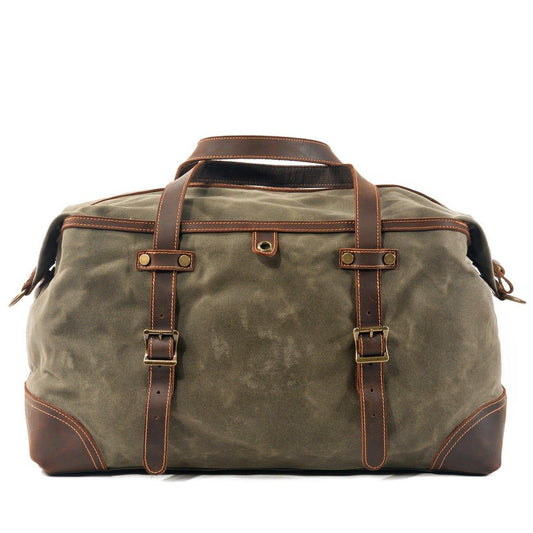
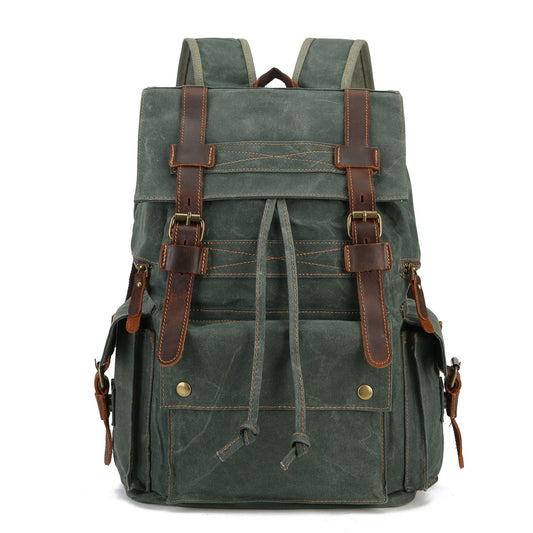
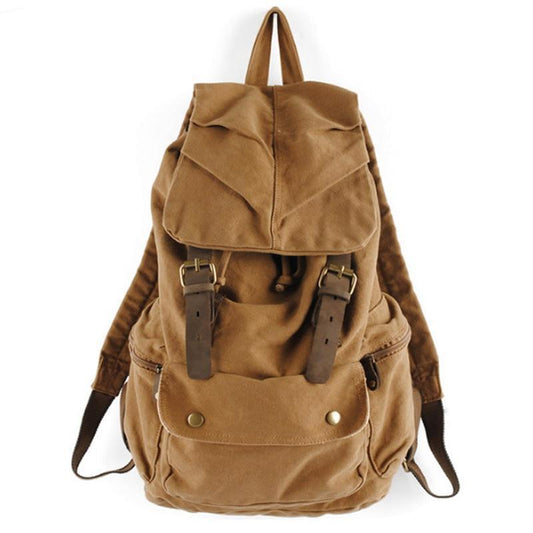
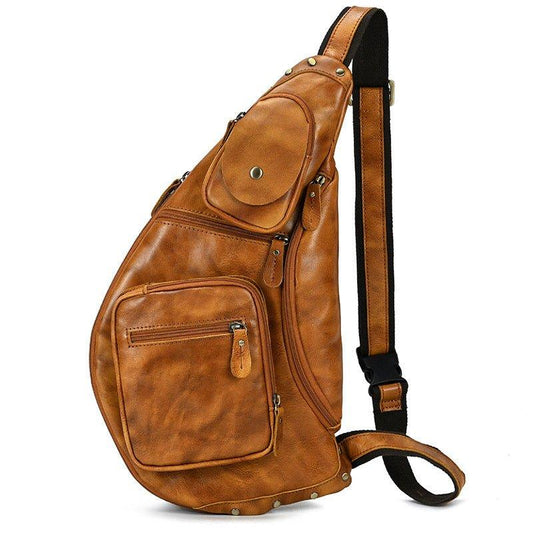
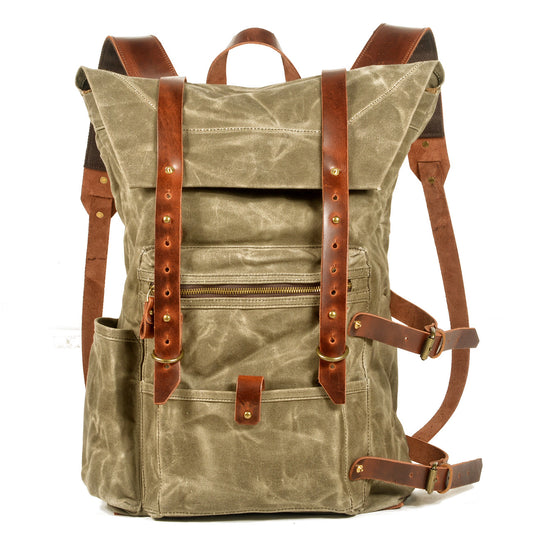
Die Materialwahl ist bei Satteltaschen entscheidend. Gewachste Segeltuchsatteltaschen bieten eine klassische Vintage-Ästhetik, natürliche Wasserbeständigkeit und die Fähigkeit, über Tausende von Kilometern eine einzigartige Patina zu entwickeln. Vollnarbenleder-Satteltaschen bieten unübertroffene Haltbarkeit und einen zeitlosen Look, der mit dem Alter besser wird, obwohl sie mehr Pflege benötigen. Synthetische Textilsatteltaschen mit wasserdichten Innenfuttern bieten den besten Wetterschutz bei geringstem Gewicht, aber ihnen fehlt der Charakter natürlicher Materialien. Für Fahrer, die ihre Zeit zwischen urbanem Pendeln und Wochenendausflügen aufteilen, bietet eine Segeltuch-Leder-Hybrid-Satteltasche sowohl Stil als auch Allwettertauglichkeit.
Tankrucksäcke: Schneller Zugriff auf das Wesentliche
Tankrucksäcke sitzen auf dem Benzintank und platzieren Ihre wichtigsten Gegenstände – Telefon, Geldbörse, Karte, Snacks, Kamera – in Reichweite, ohne dass Sie absteigen müssen. Moderne Tankrucksäcke verwenden entweder Magnethalterungen (für Stahltanks) oder Gurtsysteme (für alle Tanktypen), und viele verfügen über eine durchsichtige obere Tasche, die für ein Smartphone oder ein GPS-Gerät zur Navigation konzipiert ist. Der Komfort, auf Ihre wichtigsten Dinge an einer Ampel oder während einer kurzen Pause am Straßenrand zugreifen zu können, ist nicht zu unterschätzen – er macht es überflüssig, abzusteigen, Satteltaschen zu öffnen und durch gepacktes Gepäck zu wühlen, nur um Ihr Telefon oder Ihre Geldbörse zu holen.
Die Größe Ihres Tankrucksacks sollte Ihrem Fahrzweck entsprechen. Ein kompakter Tankrucksack von 5 bis 10 Litern fasst die täglichen Notwendigkeiten, ohne die Sicht auf die Instrumente zu behindern oder das Lenken bei vollem Lenkeinschlag zu beeinträchtigen. Ein größerer Tankrucksack von 15 bis 25 Litern kann als Haupttasche für Übernachtungsreisen dienen, erfordert jedoch möglicherweise eine Neupositionierung bei aggressivem Kurvenfahren. Für Fahrer, die ihre Zeit zwischen Pendeln und Touren aufteilen, bietet ein erweiterbarer Tankrucksack, der für zusätzliche Kapazität geöffnet werden kann, das Beste aus beiden Welten. Einige Premium-Tankrucksäcke verfügen auch über ein Trinkblasen-Fach, das für Langstreckenfahrten in heißen Klimazonen von unschätzbarem Wert ist.
Hecktaschen: Vielseitiger Stauraum am Heck
Hecktaschen werden auf dem Soziussitz oder dem Gepäckträger montiert und bieten eine flexible Stauraumlösung, die mit oder ohne Satteltaschen funktioniert. Sie sind die vielseitigste Kategorie: Eine Hecktasche kann als eigenständige Tasche für Tagesausflüge dienen, Satteltaschen für ausgedehnte Touren ergänzen oder als Rucksack fungieren, wenn Sie Ihr Ziel erreicht haben. Diese Doppelfunktion macht Hecktaschen besonders attraktiv für Pendler, die mit dem Motorrad zur Arbeit fahren und dann ihre Tasche ins Büro tragen müssen, oder für Tourenfahrer, die nach dem Parken des Motorrads eine Stadt zu Fuß erkunden möchten.
Die besten Hecktaschen verfügen über eine starre oder halbstarre Basis, die auch im leeren Zustand ihre Form behält, mehrere Befestigungspunkte für eine sichere Montage und ein Schnellverschlusssystem, mit dem Sie die Tasche in Sekundenschnelle abnehmen können. Die Kapazität reicht typischerweise von 10 bis 50 Litern, wobei der Sweet Spot für die meisten Fahrer zwischen 20 und 30 Litern liegt – genug für Kleidung und Ausrüstung für ein Wochenende, ohne das Heck des Motorrads zu überladen. Achten Sie auf Hecktaschen mit Kompressionsriemen, die die Ladung festzurren, den Windwiderstand reduzieren und verhindern, dass sich der Inhalt bei sportlicher Fahrweise verschiebt.
Vergleich der Motorradtaschen-Materialien
| Material | Haltbarkeit | Wasserbeständigkeit | Gewicht | Ästhetik | Pflege | Preisspanne |
|---|---|---|---|---|---|---|
| Gewachstes Segeltuch | Hoch | Gut | Mittel | Vintage, klassisch | Jährlich nachwachsen | 100–400 $ |
| Vollnarbenleder | Sehr hoch | Gut (behandelt) | Schwer | Premium, zeitlos | Vierteljährlich pflegen | 200–800 $ |
| Ballistic Nylon | Sehr hoch | Ausgezeichnet | Leicht | Modern, technisch | Abwischen und reinigen | 80–350 $ |
| PVC/Plane | Hoch | Ausgezeichnet | Leicht | Industriell, robust | Abwischen und reinigen | 60–250 $ |
| Segeltuch-Leder-Hybrid | Hoch | Gut | Mittel | Robust, raffiniert | Mäßig | 150–500 $ |
So wählen Sie die richtige Motorradtaschen-Ausrüstung
Pendeln und tägliches Fahren
Für das tägliche Pendeln sind Einfachheit und Geschwindigkeit am wichtigsten. Ein mittlerer Tankrucksack (8-12 Liter) nimmt die Arbeitsutensilien auf – Mittagessen, Wechselkleidung, Laptop in einer gepolsterten Hülle – ohne Ihre Morgenroutine zu verkomplizieren. Wenn Sie mehr Ausrüstung transportieren, fügen Sie eher eine Hecktasche als Satteltaschen hinzu, da diese das Profil Ihres Motorrads verbreitern und das Spurwechseln oder Filtern erschweren. Eine Hecktasche mit Schnellverschluss, die sich in einen Rucksack oder eine Umhängetasche verwandeln lässt, ist besonders praktisch für Pendler, die ihr Gepäck ins Büro oder Klassenzimmer tragen müssen. Fahrer in Städten mit starkem Verkehr, wie Los Angeles, London oder Mumbai, werden die schlanke Konfiguration zu schätzen wissen, die die Fähigkeit bewahrt, sich zwischen Autos zu bewegen.
Wochenendtouren
Eine Wochenendtour erfordert insgesamt 40 bis 60 Liter Stauraum. Eine klassische Ausstattung kombiniert mittlere Satteltaschen (je 15-20 Liter) mit einem Tankrucksack (8-12 Liter) für das Wesentliche. Diese Konfiguration hält das Gewicht niedrig und ausgewogen, bewahrt die Fahreigenschaften des Motorrads und bietet Ihnen spezielle Bereiche für verschiedene Ausrüstungskategorien. Fahrer, die in die Berge von Colorado oder an die Küstenstraßen Kaliforniens fahren, sollten wasserdichte Taschen priorisieren oder Regenschutz einpacken – das Bergwetter kann sich innerhalb weniger Minuten ändern. Für europäische Wochenendtouren durch den Schwarzwald oder die schottischen Highlands, wo die Straßenverhältnisse innerhalb eines einzigen Fahrtages dramatisch variieren können, sind Taschen mit zuverlässiger Wetterabdichtung kein Luxus, sondern eine Notwendigkeit.
Langstrecken- und Kontinentdurchquerungen
Für mehrwöchige Reisen benötigen Sie 80 bis 120 Liter Gesamtkapazität. Große Satteltaschen (je 25-35 Liter) gepaart mit einer Hecktasche (30-50 Liter) und einem kompakten Tankrucksack für Wertgegenstände schaffen eine umfassende Tourenausstattung. Beim Fahren durch mehrere Klimazonen – von den Wüsten Marokkos bis zu den Highlands Schottlands oder von den tropischen Küsten Brasiliens bis zum Anden-Altiplano – bieten modulare Taschen, die sich unterwegs umkonfigurieren lassen, maximale Flexibilität. Erfahrene Langstreckenfahrer empfehlen, jede Tasche mit einer bestimmten Ausrüstungskategorie zu packen – Kleidung in der einen Satteltasche, Campingausrüstung in der anderen, Werkzeuge und Ersatzteile in der Hecktasche und Wertsachen im Tankrucksack – damit Sie immer genau wissen, wo sich alles befindet, ohne auspacken zu müssen.
Abenteuer- und Offroad-Fahrten
Offroad-Fahren erfordert Taschen, die Vibrationen, Stöße und gelegentliche Stürze sicher überstehen. Softbags werden für den Offroad-Einsatz im Allgemeinen Hartschalenkoffern vorgezogen, da sie Stöße absorbieren, anstatt sie auf den Rahmen des Motorrads zu übertragen – ein Hartschalenkoffer, der an einem Felsen oder einer Baumwurzel hängenbleibt, kann einen Unterrahmen reißen, während eine Softbag einfach nachgibt und zurückfedert. Achten Sie auf Taschen mit verstärkten Befestigungssystemen, Kompressionsriemen, die die Ladung festzurren, und abriebfesten Panels an den dem Wetter zugewandten Oberflächen. Wasserdichte Konstruktion ist für Flussüberquerungen und Schlamm unerlässlich. Abenteuerfahrer in Regionen wie dem australischen Outback, der mongolischen Steppe oder der Baja California benötigen Taschen, die tagelange Dauervibration ohne einen einzigen lockeren Riemen überstehen.

Befestigungssysteme erklärt
Überwurf-Satteltaschenhalterungen
Überwurf-Satteltaschen verwenden einen Bügel oder ein Verbindungsstück, das über den Sitz gelegt wird. Die Installation dauert nur wenige Minuten und erfordert keine dauerhaften Änderungen am Motorrad. Der Sitz selbst hält die Taschen an Ort und Stelle, obwohl die meisten Fahrer zusätzliche Gurte am Rahmen oder an den Soziusfußrasten für Stabilität anbringen. Dieses System funktioniert an nahezu jedem Motorrad und ist ideal für Fahrer, die zwischen mehreren Motorrädern wechseln oder ein sauberes Aussehen bevorzugen, wenn die Taschen entfernt sind. Für Oldtimer- und Custom-Bike-Besitzer bewahren Überwurf-Satteltaschen die ursprünglichen Linien des Motorrads und können für Shows oder Fotos in Sekundenschnelle entfernt werden.
Feste Satteltaschensysteme
Fest montierte Systeme verwenden am Rahmen des Motorrads verschraubte Halterungen, die eine felsenfeste Stabilität bei Autobahngeschwindigkeiten und aggressivem Fahren bieten. Schnellverschlussmechanismen ermöglichen es Ihnen, die Taschen in Sekundenschnelle abzunehmen, während die Halterungen an Ort und Stelle bleiben. Die Nachteile sind Kosten und Installationskomplexität – einige Systeme erfordern das Versetzen von Blinkern oder Auspuffkomponenten. Fest montierte Systeme eignen sich am besten für spezielle Tourenmotorräder, die ihr Gepäck selten ablegen.
Befestigungsmethoden für Tankrucksäcke
- Magnetisch: Starke Magnete, die in den Boden der Tasche eingenäht sind, halten an Stahltanks. Schnell anzubringen und zu entfernen; funktioniert nur an Metalltanks.
- Gurtsystem: Verstellbare Gurte umschließen den Rahmen oder den Tank. Universelle Passform, aber langsamer anzubringen und zu entfernen.
- Tankringsystem: Ein Montagering, der im Bereich des Tankverschlusses installiert wird, rastet in eine Aufnahme an der Tasche ein. Die schnellste Befestigungsmethode, erfordert jedoch fahrradspezifisches Zubehör.
Befestigung der Hecktasche
Die meisten Hecktaschen verwenden eine Kombination von Gurten, die am Soziussitz, den Soziusfußrasten, dem Gepäckträger oder dem Rahmen befestigt werden. Einige Premium-Modelle verwenden ein Montageplattensystem, ähnlich den fest montierten Satteltaschen. Spanngurte und Gepäcknetze sollten nur als sekundäre Sicherung verwendet werden – sie sind als primäre Befestigung bei Autobahngeschwindigkeiten nicht zuverlässig genug. Eine Hecktasche, die sich bei 110 km/h löst, ist nicht nur unbequem, sondern auch gefährlich für Sie und alle anderen Verkehrsteilnehmer.
Motorradtaschen nach Region: Was Fahrer weltweit bevorzugen
Europa
Europäische Fahrer, insbesondere in Deutschland, Italien und Großbritannien, bevorzugen in der Regel integrierte Hartgepäcksysteme von Marken, die zu ihrem Motorradhersteller passen. Die wachsende Vintage- und Custom-Motorradszene hat jedoch eine starke Nachfrage nach gewachsten Segeltuch- und Ledersatteltaschen hervorgerufen, die Café Racer und Scrambler-Umbauten ergänzen. In alpinen Regionen ist Wetterbeständigkeit von größter Bedeutung – Fahrer wählen oft wasserdichte Textiltaschen oder gewachstes Segeltuch mit Regenschutz. Die europäische Tourenkultur, mit ihrem Schwerpunkt auf der Durchquerung mehrerer Länder auf einer einzigen Reise, bedeutet, dass Taschen alles von mediterraner Hitze bis zu skandinavischem Regen innerhalb derselben Reise bewältigen müssen.
Nordamerika
Die amerikanische Tourenkultur, die auf Langstreckenfahrten auf Autobahnen ausgerichtet ist, bevorzugt großvolumige Setups. Harley-Davidson Touring-Modelle sind häufig mit Hartschalenkoffern ausgestattet, während Abenteuerfahrer auf BMW GS- und KTM-Modellen zu weichem Gepäck für Offroad-Fahrten tendieren. Die Custom-Cruiser-Szene umfasst Ledersatteltaschen mit Verzierungen und Conchos als Ausdruck des persönlichen Stils. In Kanada, wo die Motorradsaison kürzer, aber die Entfernungen groß sind, legen Fahrer Wert auf Taschen, die je nach Wetterbedingungen schnell montiert und demontiert werden können.
Asien
In dicht besiedelten asiatischen Städten dominieren kompakte Taschen mit Schnellverschluss. Roller- und Kleinmotorradfahrer in Städten wie Taipeh, Jakarta und Mumbai bevorzugen Topcases und kleine Hecktaschen, die das Spurwechseln nicht behindern. In Indien und Vietnam, wo Motorräder das primäre Familienfahrzeug sind, sind große weiche Satteltaschen und Hecktaschen üblich, um Lebensmittel, Waren und Passagiere zu transportieren. Segeltuchtaschen sind in tropischen Klimazonen besonders beliebt wegen ihrer Atmungsaktivität und ihrer Beständigkeit gegen Schimmel und Mehltau, wenn sie richtig gepflegt werden.
Lateinamerika
Lateinamerikanische Abenteuerfahrer, die die Anden, Patagonien und das Amazonasbecken bewältigen, benötigen Taschen, die extremen Bedingungen standhalten. Wasserdichtes Softgepäck dominiert diesen Markt, wobei die Fahrer Haltbarkeit und Wetterschutz über die Ästhetik stellen. Canvas- und Ledertaschen bleiben für den städtischen Gebrauch in Städten wie Mexiko-Stadt, Bogotá und São Paulo beliebt, wo Stil neben Funktion eine Rolle spielt. Die vielfältige Geografie – von Küsten auf Meereshöhe bis zu 4.500 Meter hohen Bergpässen – erfordert Taschen, die bei dramatischen Temperatur- und Feuchtigkeitsschwankungen konstant funktionieren.

Häufig gestellte Fragen
Was ist das beste Material für Motorrad-Satteltaschen?
Das beste Material hängt von Ihrem Fahrstil und Ihrer ästhetischen Vorliebe ab. Gewachstes Segeltuch bietet einen klassischen Vintage-Look mit guter Wasserbeständigkeit und moderatem Gewicht. Vollnarbenleder bietet maximale Haltbarkeit und altert wunderschön, erfordert aber regelmäßige Pflege. Ballistisches Nylon und PVC-Plane bieten den besten Wetterschutz und das geringste Gewicht für Abenteuer- und Offroad-Fahrten. Für die meisten Fahrer bieten gewachstes Segeltuch oder ein Segeltuch-Leder-Hybrid die beste Balance aus Stil, Haltbarkeit und Praktikabilität.
Kann ich Satteltaschen an jedem Motorrad verwenden?
Die meisten Motorräder können Satteltaschen aufnehmen, die Kompatibilität hängt jedoch von der Auspuffposition, der Position der Blinker und dem verfügbaren Freiraum ab. Überwurf-Satteltaschen funktionieren an nahezu jedem Motorrad mit Sitz und Heckrahmen. Feste Satteltaschen erfordern fahrradspezifische Halterungen. Überprüfen Sie vor dem Kauf, ob die Taschen den Auspuff nicht berühren, den Federweg der Hinterradfederung nicht beeinträchtigen oder die Soziusfußrasten nicht verdecken. Messen Sie immer die Freiräume Ihres Motorrads und vergleichen Sie diese mit den Abmessungen der Tasche.
Wie mache ich meine Motorradtaschen wasserdicht?
Gewachste Segeltuchtaschen können jährlich nachgewachst werden, um die Wasserbeständigkeit zu erhalten. Ledertaschen sollten mit einem wasserabweisenden Pflegemittel behandelt werden. Bei synthetischen Taschen sollten Sie prüfen, ob die Nähte verklebt oder verschweißt sind – genähte Nähte ohne Versiegelung laufen bei anhaltendem Regen aus. Unabhängig vom Material sollten Sie für Elektronik und Dokumente interne Drybags oder wasserdichte Innentaschen verwenden. Regenhüllen bieten eine zusätzliche Schutzschicht und sollten auf jeder Mehrtagesreise mitgeführt werden.
Verkratzen Tankrucksäcke den Kraftstofftank?
Ein ordnungsgemäß konstruierter und installierter Tankrucksack sollte den Tank nicht zerkratzen. Magnetische Tankrucksäcke sollten eine weiche, nicht-abrasive Unterseite haben. Reinigen Sie die Tankoberfläche immer vor der Montage, um zu verhindern, dass eingeschlossener Schmutz Mikrokratzer verursacht. Gurtbefestigte Taschen sollten keine Metallteile haben, die den Lack berühren. Für zusätzlichen Schutz bringen einige Fahrer eine klare Schutzfolie auf dem Tankbereich unter der Tasche an.
Wie viel sollte ich für ein komplettes Motorradtaschen-Setup einplanen?
Ein komplettes hochwertiges Setup – Satteltaschen, Tankrucksack und Hecktasche – kostet je nach Material und Marke zwischen 300 und 1.500 US-Dollar. Einstiegsmodelle aus synthetischen Materialien beginnen bei etwa 300 US-Dollar für ein komplettes Set. Mittelpreisige Setups aus gewachstem Segeltuch und Segeltuch-Leder-Hybrid kosten 500 bis 800 US-Dollar. Premium-Vollnarbenleder oder hochwertige technische Taschen von etablierten Motorradgepäckmarken können über 1.500 US-Dollar kosten. Eine Investition in hochwertige Taschen zahlt sich über Jahre zuverlässigen Services aus.
Schnelle Entscheidungs-Checkliste
- Tägliches Pendeln? Tankrucksack (8-12L) + optionaler Hecktasche.
- Wochenendausflüge? Mittlere Satteltaschen (je 15-20L) + Tankrucksack.
- Kontinentdurchquerung? Große Satteltaschen (je 25-35L) + Hecktasche (30-50L) + kompakter Tankrucksack.
- Offroad-Abenteuer? Wasserdichte weiche Satteltaschen + kompakter Hecktasche. Bei Fahrten im Stehen auf den Fußrasten auf den Tankrucksack verzichten.
- Vintage/Custom Bike? Gewachste Segeltuch- oder Leder-Überwurf-Satteltaschen + passendes Werkzeugrolle.
- Roller oder kleines Motorrad? Topcase oder kleine Hecktasche + Stauraum unter dem Sitz.
Pflege und Wartung von Motorradtaschen
Ihre Motorradtaschen sind härteren Bedingungen ausgesetzt als fast jede andere Art von Gepäck – direkte Sonneneinstrahlung, Regen, Straßenschmutz, Vibrationen und extreme Temperaturen. Eine grundlegende Wartungsroutine verlängert ihre Lebensdauer dramatisch:
- Segeltuchtaschen: Nach jeder Fahrt getrockneten Schlamm und Straßenstaub abbürsten. Mit milder Seife und kaltem Wasser punktuell reinigen. Jährlich oder sobald das Wasser nicht mehr abperlt, nachwachsen.
- Ledertaschen: Mit einem feuchten Tuch und einem speziellen Lederreiniger reinigen. Alle drei bis sechs Monate Lederpflegemittel auftragen, in heißen, trockenen Klimazonen häufiger. Vermeiden Sie es, Ledertaschen längere Zeit direkter Sonneneinstrahlung auszusetzen.
- Synthetiktaschen: Mit einem feuchten Tuch abwischen. Reißverschlüsse und Schnallen auf Korrosion prüfen, insbesondere nach Fahrten in Küstengebieten oder auf gesalzenen Winterstraßen.
- Alle Taschen: Überprüfen Sie vor jeder langen Fahrt Befestigungsgurte, Schnallen und Befestigungspunkte. Ersetzen Sie ausgefranste Gurte oder korrodierte Hardware sofort. Ein Gurtausfall bei Geschwindigkeit kann katastrophal sein.
Sicherheitsaspekte bei der Verwendung von Motorradtaschen
Motorradtaschen beeinflussen mehr als nur die Stauraumkapazität – sie wirken sich auf Fahrverhalten, Aerodynamik und Sicherheit Ihres Motorrads aus. Befolgen Sie immer diese Richtlinien:
- Gleichmäßige Gewichtsverteilung: Verteilen Sie das Gewicht gleichmäßig auf die linken und rechten Satteltaschen. Eine unausgewogene Beladung kann dazu führen, dass das Motorrad zu einer Seite zieht, besonders bei Autobahngeschwindigkeiten.
- Schwere Gegenstände nach unten: Platzieren Sie die schwersten Gegenstände am Boden der Sattel- und Hecktaschen. Ein hoher Schwerpunkt erschwert die Kontrolle des Motorrads in Kurven und bei Notmanövern.
- Freiraum prüfen: Stellen Sie sicher, dass die Taschen bei vollem Bewegungsumfang nicht mit der Auspuffanlage, dem Hinterrad oder den Federungskomponenten in Berührung kommen. Eine Tasche, die einen heißen Auspuff berührt, kann schmelzen oder Feuer fangen.
- Lose Riemen sichern: Jeder Riemen, der im Wind flattern kann, wird sich irgendwann lösen. Stecken oder sichern Sie alle Riemenenden nach dem Anbringen Ihrer Taschen.
- Probefahrt vor einer großen Reise: Beladen Sie Ihre Taschen so, wie Sie es für eine Reise tun würden, und machen Sie eine kurze Probefahrt. Achten Sie darauf, wie sich das Motorrad mit dem zusätzlichen Gewicht und Windwiderstand anders verhält.
Die Wahl der richtigen Motorradtaschen verändert Ihr Fahrgefühl. Die Freiheit, das mitzunehmen, was Sie brauchen – sei es Campingausrüstung für ein Wochenende in den Bergen, ein Laptop für den täglichen Arbeitsweg oder Souvenirs von einer Überlandreise – eröffnet Möglichkeiten, die ein nacktes Motorrad einfach nicht bieten kann. Investieren Sie in hochwertige Taschen, die zu Ihrem Fahrstil passen, pflegen Sie sie richtig, und sie werden Ihnen Zehntausende von Kilometern lang gute Dienste leisten.
Durchsuchen Sie unsere gesamte Kollektion an Motorradtaschen für Satteltaschen, Tankrucksäcke und Hecktaschen, die aus hochwertigen Materialien gefertigt sind. Für Fahrer, die die klassische Ästhetik schätzen, bieten unsere gewachsten Canvas-Taschen zeitlosen Stil mit natürlicher Wetterbeständigkeit. Wenn Ihre Abenteuer Sie abseits der ausgetretenen Pfade führen, schauen Sie sich unsere taktischen Taschen an, die für raue Außenbedingungen gebaut sind.