
Wie man eine Sling Bag packt: Organisations- und Trage-Tipps für 2026

Eine Sling Bag sieht klein aus, kann aber Rucksack, Handtasche und Handgepäck-Organizer auf einmal ersetzen. Das Problem ist, dass die meisten Leute eine Sling Bag ohne System packen, und innerhalb eines Tages wird sie zu einem Wirrwarr aus Kabeln, Schlüsseln und halb verbrauchten Accessoires. Zu lernen, wie man eine Sling Bag richtig packt, ist der Unterschied zwischen einer Tasche, die man liebt, und einer, die man meidet. Dieser Leitfaden behandelt die Größenbestimmung, ein cleveres Organisationssystem und die Diebstahlschutzgewohnheiten, die eine Vintage-Leder-Sling Bag zum besten Ein-Taschen-Begleiter für Reisen durch Europa, Asien und Amerika im Jahr 2026 machen.
Warum eine Sling Bag besser funktioniert, als sie aussieht
Eine Sling Bag liegt an Rücken oder Seite an, lässt die Hände frei und die wichtigsten Dinge griffbereit. Im Gegensatz zu einem Rucksack schwingt sie zum schnellen Zugriff nach vorne, ohne sie abnehmen zu müssen. Im Gegensatz zu einer Handtasche bleibt sie in Menschenmengen sicher am Körper. Das macht sie ideal für Stadtbummel, Marktbesuche, kurze Wanderungen und den täglichen Gebrauch.
Wann eine Sling Bag die richtige Wahl ist
- Sie sind den ganzen Tag unterwegs und benötigen nur das Nötigste.
- Sie möchten schnellen Zugriff auf Ihr Telefon, Portemonnaie, Schlüssel und Reisepass.
- Sie reisen leicht und mögen keine schwere Tasche auf dem Rücken.
- Sie möchten eine sichere Crossbody-Trageweise in Menschenmengen.
Wann eine Sling Bag nicht ausreicht
Es ist ehrlich, die Grenzen zuzugeben. Eine Sling Bag kann kein 15-Zoll-Laptop, ein komplettes Kamera-Kit oder Kleidung für mehrere Tage bequem tragen. Wenn Sie diese Dinge benötigen, kombinieren Sie Ihre Sling Bag mit einer größeren Reisetasche oder einem Rucksack und nutzen Sie die Sling Bag als Ihren Alltagsbegleiter am Zielort. Diese Kombination aus Ein-Taschen-Reise plus Sling Bag ist tatsächlich die beliebteste Konfiguration unter erfahrenen Reisenden: eine aufgegebene oder Handgepäck-Reisetasche für das Große und eine Sling Bag für die täglichen Essentials.

Die richtige Kapazität für Ihre Sling Bag wählen
Die meisten Sling Bags gibt es in drei nützlichen Größen. Wählen Sie diejenige, die zu dem passt, was Sie tatsächlich mit sich führen, nicht zu dem, was Sie hoffen mit sich führen zu können.
Kompakt: 3 bis 6 Liter
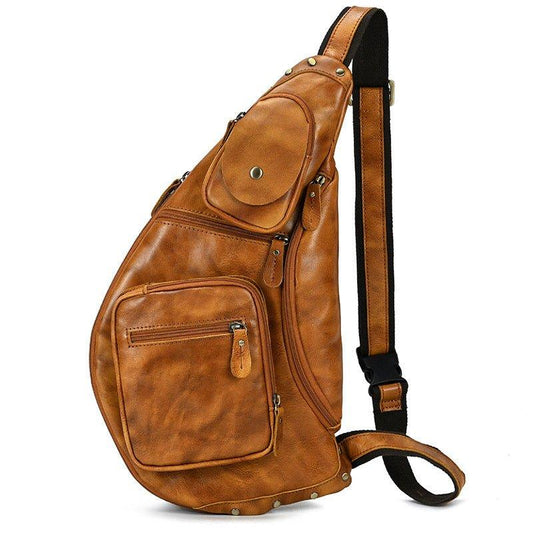
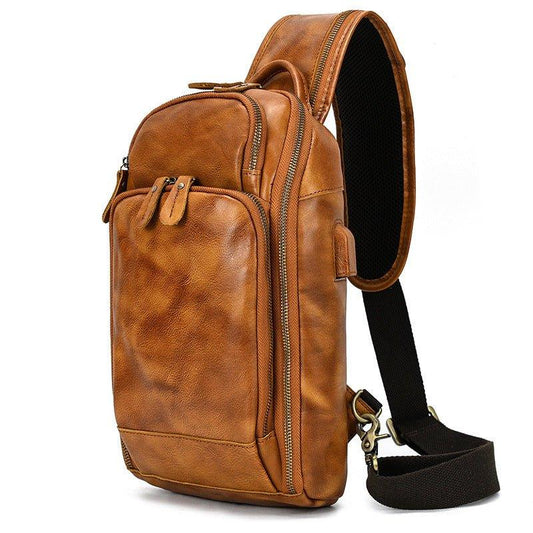
Diese Größe fasst ein Telefon, Portemonnaie, Schlüssel, Reisepass, eine kleine Powerbank und eine Sonnenbrille. Sie ist die „nur das Nötigste“-Tasche für einen kurzen Spaziergang, eine U-Bahn-Fahrt oder einen Tag mit leichter Erkundung. Eine kompakte Vintage-Leder-Sling Bag sieht elegant aus und liegt eng am Körper an, was sie diskret und sicher macht.
Mittel: 7 bis 11 Liter
Das ist der ideale Bereich für die meisten Reisenden. Hier passen eine kleine Kamera oder ein Tablet, eine Wasserflaschentasche, eine leichte Schicht und all Ihre täglichen Utensilien hinein. Sie kann auch ein wochenendfreies Handgepäck bewältigen, wenn Sie bewusst packen. Mittelgroße Slings balancieren Kapazität mit Komfort aus und sind die vielseitigste Wahl.
Groß: 12 bis 18 Liter
Eine größere Sling Bag kann ein Laptop bis zu 13 oder 14 Zoll, ein kompaktes Kamera-Kit und Essentials für mehrere Tage aufnehmen. Sie dient als persönlicher Gegenstand bei Billigfluglinien, die nur eine Tasche unter dem Sitz erlauben. Denken Sie daran, dass eine voll beladene große Sling Bag eine Schulter belasten kann, wählen Sie daher gepolsterte Gurte und verteilen Sie das Gewicht gleichmäßig.
| Kapazität | Am besten geeignet für | Typische Beladung |
|---|---|---|
| 3-6 L (kompakt) | Tägliche Essentials, Stadtbummel | Handy, Geldbörse, Schlüssel, Reisepass, kleine Powerbank |
| 7-11 L (mittel) | Die meisten Reisenden, Tagesausflüge | Zusätzlich Tablet, Wasserflasche, leichte Schicht, kleine Kamera |
| 12-18 L (groß) | Lange Wochenenden, persönlicher Gegenstand | Zusätzlich 13-14 Zoll Laptop, kompaktes Kamera-Kit |
Das Organisationssystem der Sling Bag
Eine Sling Bag hat begrenzten Platz, daher braucht jeder Gegenstand einen festen Platz. Verwenden Sie diese Schichtmethode, um Dinge auffindbar und sicher zu halten.
Erste Schicht: Das körpernahe Fach
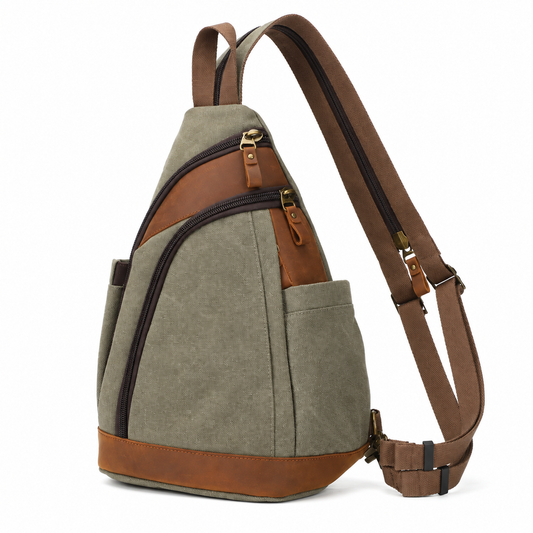
Bewahren Sie hier Ihre wertvollsten, am schwersten zu ersetzenden Gegenstände auf: Reisepass, Hauptkreditkarte, Bordkarte und Notfallbargeld. Da dieses Fach Ihren Körper berührt, ist es für Diebe am schwierigsten zu erreichen. Bei einer Vintage-Leder-Sling Bag ist diese Tasche oft die Rückseite – nutzen Sie sie weise.
Zweite Schicht: Das Hauptfach
Hier befindet sich der Großteil: Telefon, Schlüssel, Geldbörse, Powerbank, Ohrhörer und alle Accessoires. Verwenden Sie kleine Beutel oder Etuis, damit nichts lose herumklappert. Ein flacher Beutel für Kabel und ein separater Beutel für Medikamente halten den Hauptbereich ordentlich.
Dritte Schicht: Schnellzugriffstaschen
Widmen Sie eine Außentasche Gegenständen, die Sie ständig greifen: Ihr Telefon, Ihre Fahrkarte oder Ihr Händedesinfektionsmittel. Beschränken Sie sich auf ein oder zwei Gegenstände, damit ein Dieb nicht unbemerkt hineingreifen kann. Wertvolles sollte niemals in einer ungezippten Außentasche aufbewahrt werden.
Eine Sling Bag für einen ganzen Reisetag packen
Hier ist eine getestete Packliste für einen Tagesausflug, die bequem in eine mittelgroße Sling Bag passt:
- Reisepass oder Ausweis in der körpernahen Tasche
- Telefon und tragbares Ladegerät mit kurzem Kabel
- Geldbörse mit einer Ersatzkarte und lokalem Bargeld
- Kleine Wasserflasche oder faltbare Flasche
- Leichte Schicht oder faltbare Regenjacke
- Ohrhörer, Lippenbalsam, Handdesinfektionsmittel, Sonnencreme
- Ein faltbarer Einkaufsbeutel für Einkäufe oder Lebensmittel
- Reisegröße-Medikamentenpackung
Mit diesem System liegt nichts am Boden der Tasche, und Sie finden jeden Gegenstand, ohne alles auspacken zu müssen.
Wie man rollt und stapelt, um maximalen Platz zu schaffen
Platz in einer Sling Bag ist kostbar, daher ist die Art und Weise, wie Sie Gegenstände platzieren, wichtig. Rollen Sie Ihre leichte Schicht und Regenjacke zu festen Zylindern und stellen Sie diese aufrecht an die Rückwand. Legen Sie flache Gegenstände wie das Tablet und die Organizer-Tasche flach darauf. Halten Sie die schwersten Gegenstände – die Wasserflasche und die Powerbank – tief und nah am Körper, damit die Tasche nicht nach vorne durchhängt und an Ihrer Schulter zieht. Reservieren Sie die vordere Schnellzugrifftasche für einen einzelnen Gegenstand, den Sie ständig erreichen.
Diebstahlschutz-Gewohnheiten für Reisen mit Sling Bag
Die Form einer Sling Bag ist bereits sicher, aber Ihre Gewohnheiten sind genauso wichtig wie die Tasche selbst.
Crossbody tragen
Tragen Sie den Gurt immer quer über die Brust, niemals über eine Schulter. Eine Crossbody-Sling Bag ist viel schwieriger zu entreißen und hält die Tasche vor Ihnen, wo Sie sie sehen können. Dies ist besonders wichtig in U-Bahn-Stationen und belebten Märkten in Paris, Rom, Barcelona, Bangkok und Mexiko-Stadt.
Hauptreißverschluss nach hinten oder verschlossen halten
Wenn Ihre Tasche es zulässt, positionieren Sie den Hauptreißverschluss zu Ihrem Körper hin und nicht nach außen. Für zusätzliche Sicherheit führen Sie die beiden Reißverschlusszieher zusammen oder befestigen Sie einen kleinen Karabinerhaken, den ein Dieb nicht geräuschlos öffnen kann.
Gewohnheitsmäßig schließen
Der häufigste Diebstahl ist der aus einer offenen Tasche. Gewöhnen Sie sich an, die Tasche nach jedem Zugriff zu schließen, auch wenn Sie in zehn Sekunden wieder hineingreifen. Diebe suchen zuerst nach offenen oder lockeren Taschen.
Niemals unbeaufsichtigt abstellen
Auf einem Café-Stuhl, einer Parkbank oder einer Gepäckablage im Zug kann eine Sling Bag in Sekundenschnelle entwendet werden. Halten Sie sie am Körper oder schlingen Sie den Gurt um Ihr Bein oder die Stuhllehne, während Sie sitzen.

Regionale Besonderheiten bei der Verwendung von Sling Bags
Dieselbe Tasche passt sich jeder Region mit ein paar kleinen Anpassungen an.
Europa: Hohe Verkehrsdichte
In der Pariser Metro oder der Londoner U-Bahn halten Sie die Tasche vor sich und den Gurt fest. Lassen Sie den Reisepass in der körpernahen Tasche und kramen Sie ihn niemals offen heraus. Eine dezente Vintage-Leder-Sling Bag wirkt als Accessoire, nicht als Touristensignal.
Asien: Feuchtigkeit und Märkte
In feuchten Städten wie Tokio, Hanoi und Singapur sind Schweiß und Regen echte Probleme. Wählen Sie behandeltes oder geschütztes Leder, bewahren Sie Elektronik in einem kleinen, trockenen Beutel auf und tragen Sie die Tasche quer über den Körper auf Nachtmärkten, wo Taschendiebe aktiv sind.
Amerika: Wetter und Entfernungen
Von New York bis Buenos Aires reicht das Wetter von Schneestürmen bis zu Hitzewellen. Eine wasserabweisende Leder-Sling Bag hält leichtem Regen stand, und eine mittelgroße mit gepolsterten Trägern eignet sich für lange Spaziergänge. In Autostädten dient die Sling Bag als Tagesrucksack am Wanderweg oder Strand.
Vintage-Leder vs. moderne Nylon-Sling Bag
Beide Materialien haben ihren Platz, passen aber zu unterschiedlichen Reisenden.
- Vintage-Leder – altert wunderschön, sieht in jeder Umgebung elegant aus, weist leichten Regen ab und hält bei guter Pflege Jahrzehnte. Schwerer als Nylon, aber der Charakter und die Haltbarkeit rechtfertigen es für die meisten Reisenden.
- Modernes Nylon – leichter, oft wasserabweisend beschichtet und leicht zu reinigen. Fühlt sich weniger hochwertig an, lässt sich aber flacher packen und trocknet schneller.
Wenn Sie täglich viel Ausrüstung tragen, spielt das Gewicht eine Rolle; eine Nylon-Sling Bag könnte sich besser anfühlen. Wenn Sie eine Tasche wünschen, die bei einem Geschäftstreffen elegant aussieht und immer noch für einen Marktbesuch geeignet ist, ist eine Vintage-Leder-Sling Bag die bessere Investition.
Pflege Ihrer Vintage-Leder-Sling Bag
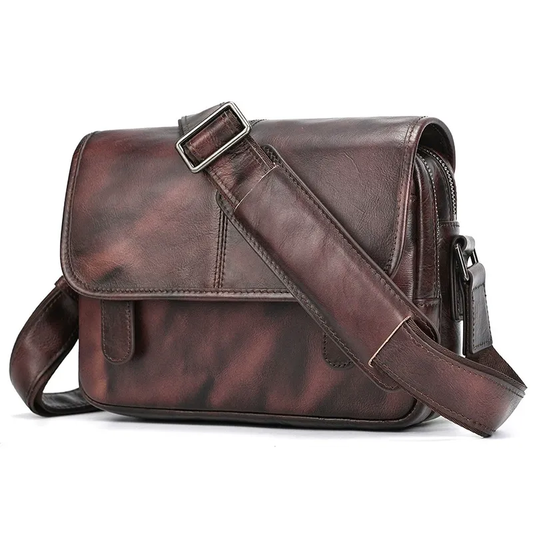
Eine Vintage-Leder-Sling Bag ist eine Investition in Stil und Funktion, und ein wenig Pflege sorgt dafür, dass sie gut aussieht und funktioniert. Wischen Sie das Leder nach jeder Reise mit einem weichen, trockenen Tuch ab, um Staub und Schweiß zu entfernen. Pflegen Sie es alle paar Monate mit einem Lederbalsam, um das Leder geschmeidig und wasserabweisend zu halten. Lagern Sie es, wenn es nicht in Gebrauch ist, mit einem weichen Tuch ausgestopft, damit es seine Form behält. Vermeiden Sie es, es bei starkem Regen einzuweichen; wenn es nass wird, lassen Sie es an der Luft fern von direkter Hitze trocknen und behandeln Sie es, sobald es vollständig trocken ist, mit Conditioner. Mit dieser Routine entwickelt eine hochwertige Leder-Sling Bag eine reiche Patina und hält Jahrzehnte.
Häufig gestellte Fragen
Kann eine Sling Bag einen Rucksack auf Reisen ersetzen?
Für Tagesausflüge und Städtetrips mit nur einer Tasche: ja. Für lange Wanderungen oder mehrtägige Touren mit Laptop und kompletter Kameraausrüstung ist ein Rucksack bequemer. Viele Reisende nutzen eine Sling Bag als persönlichen Gegenstand neben einer größeren Reisetasche.
Wie verhindere ich, dass eine Sling Bag in meine Schulter einschneidet?
Wählen Sie einen gepolsterten Gurt und halten Sie die Last leicht. Eine voll beladene große Sling Bag konzentriert das Gewicht auf eine Schulter, also bewahren Sie nur das Nötigste in einer Sling Bag auf und verlagern Sie schwere Ausrüstung in einen Rucksack oder eine Reisetasche.
Ist eine Vintage-Leder-Sling Bag sicher vor Taschendieben?
Ja, wenn sie quer über den Körper getragen und vorne gehalten wird. Kombinieren Sie sie mit einer körpernahen Dokumententasche und einem Hauptreißverschluss, der zu Ihrem Körper zeigt, für den stärksten Schutz.
Was sollte ich in der körpernahen Tasche aufbewahren?
Ihren Reisepass, die Hauptkarte, Notfallbargeld und die Bordkarte. Das sind die Gegenstände, die Sie nicht verlieren können, und die körpernahe Tasche ist am schwierigsten zu erreichen.
Passt ein Tablet in eine mittelgroße Sling Bag?
Ja, die meisten mittelgroßen Sling Bags (7-11 Liter) passen für ein kompaktes Tablet bis ca. 10 Zoll. Ein größeres 12-Zoll-Tablet passt am besten in eine große Sling Bag oder eine mit einem speziellen Tablet-Fach.
Ist Leder oder Nylon besser für eine Reise-Sling Bag?
Leder sieht hochwertig aus, altert wunderschön und weist leichten Regen ab, ist aber schwerer. Nylon ist leichter und einfacher zu waschen, fühlt sich aber weniger edel an. Wählen Sie Leder für Stil und Langlebigkeit oder Nylon für ultraleichtes Reisen.
Fazit
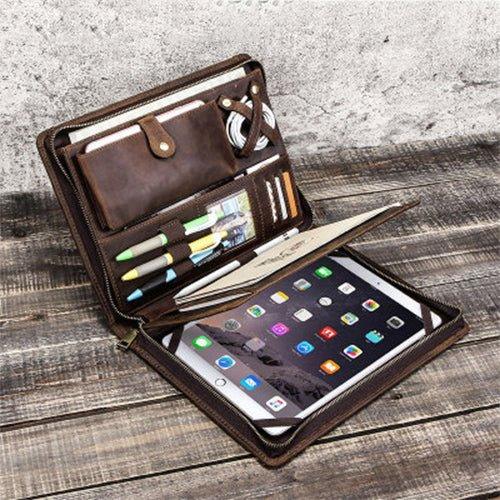
Eine Sling Bag ist nur so gut, wie Sie sie packen und tragen. Wählen Sie die richtige Kapazität, organisieren Sie Ihre Essentials in körpernahe, Haupt- und Schnellzugriffsschichten und tragen Sie sie sicher quer über den Körper, wohin Sie auch reisen. Rollen und stapeln Sie Ihre Gegenstände, um Platz zu sparen, pflegen Sie Ihr Leder, damit es lange hält, und passen Sie Ihre Gewohnheiten an jedes Reiseziel an. Mit einer Vintage-Leder-Sling Bag und einem cleveren System erhalten Sie die Freiheit einer einzigen Tasche und die Gewissheit, dass alles sicher ist. Entdecken Sie unsere Vintage-Leder-Sling Bags und kombinieren Sie sie mit einer schlanken Ledertasche, um Ihr Reise-Set für 2026 zu vervollständigen.
Anpassung Ihrer Sling Bag an verschiedene Reisearten
Ihr Pack-System sollte sich an die Art des geplanten Tages anpassen. Für einen Sightseeing-Tag haben Zugang und Flüssigkeitszufuhr Priorität: Legen Sie Ihr Telefon und die Fahrkarte in die Schnellzugriffstasche, eine Wasserflasche in das Seitenfach und bewahren Sie im Hauptfach eine leichte Schicht und Snacks auf. Für einen Arbeits-im-Café-Tag fügen Sie ein kompaktes Tablet, eine Powerbank sowie Stift und Notizbuch hinzu und bewahren Sie Ihr Laptop-Ladegerät in einer größeren Tasche auf. Für einen Markteinkaufstag lassen Sie Platz für eine faltbare Einkaufstasche und halten Sie Ihr Portemonnaie nah am Körper. Die Anpassung der Ladung an den Tag hält die Sling Bag leicht und bequem.
Ein reisefreundliches Lade-Kit zusammenstellen
Eine zuverlässige Ladeausrüstung ist eines der nützlichsten Dinge, die Sie in einer Sling Bag mit sich führen können. Packen Sie eine kompakte Powerbank, ein kurzes USB-C-Kabel und einen Wandstecker in ein kleines Täschchen. Ein kurzes Kabel ist leichter zu handhaben als ein langes und vermeidet Verwicklungen. Wenn Sie mehrere Geräte mit sich führen, spart ein winziger Multi-Port-Adapter Platz. Laden Sie Ihre Powerbank über Nacht auf, damit Ihr Telefon und Ihre Ohrhörer während eines langen Tages voller Navigation, Übersetzungen und Fotos niemals leer werden.
Gewichtsverteilung und Ergonomie
Eine Sling Bag fühlt sich nur gut an, wenn sie ausbalanciert und an Ihren Körper angepasst ist. Der Gurt sollte bequem über Ihrer Brust sitzen, ohne auf Ihren Nacken zu drücken, und die Tasche sollte auf Hüfthöhe ruhen, anstatt tief zu baumeln, wo sie schwingt. Schwere Gegenstände gehören nah an den Körper und tief in die Tasche. Wenn Ihre Sling Bag einen verstellbaren Gurt hat, passen Sie die Länge genau an, sodass die Tasche sicher sitzt und beim Gehen nicht wackelt. Mit einer gut ausbalancierten Last ist eine mittelgroße Sling Bag bequem für einen ganzen Tag Spazierengehen in jeder Stadt.
Nachhaltigkeit: Eine langlebige Sling Bag wählen
Eine Vintage-Leder-Sling Bag ist auch eine nachhaltigere Wahl als eine billige Tasche, die man jedes Jahr ersetzt. Hochwertiges Leder und solide Beschläge sind darauf ausgelegt, repariert und gepflegt zu werden, anstatt weggeworfen zu werden. Wenn Sie eine gut gemachte Tasche kaufen und sie über Jahrzehnte pflegen, reduzieren Sie Abfall und halten ein zeitloses Stück in Gebrauch. Diese Slow-Fashion-Mentalität ist der Grund, warum viele Reisende Leder gegenüber schnell ersetzten synthetischen Taschen bevorzugen und warum eine Vintage-Leder-Sling Bag ihren Wert und Charme über Jahre behält.