

Leder-Reisebrieftasche pflegen: Konditionierung, Aufbewahrung & Reparatur im Jahr 2026

Pflege eines Leder-Reiseportemonnaies: Konditionierung, Aufbewahrung & Reparatur im Jahr 2026
Ein Leder-Reiseportemonnaie ist einer der wenigen Reiseartikel, der mit dem Alter besser wird – wenn man ihn pflegt. Im Gegensatz zu einem synthetischen Kartenetui, das Risse bekommt und fusselt, entwickelt ein gut gepflegtes Vollnarben-Lederportemonnaie eine tiefe Patina, die die Geschichte jeder Reise erzählt. Aber Leder ist ein Naturmaterial, und Vernachlässigung zeigt sich schnell: trockene Kanten, Wasserflecken, lose Nähte und ein steifes Gefühl, das kein Reisender an einem fremden Flughafen aus der Tasche ziehen möchte. Dieser Leitfaden deckt alles ab, was Sie brauchen, um ein Leder-Reiseportemonnaie jahrelang geschmeidig und scharf zu halten – vom richtigen Konditionierungsintervall über die Reinigung unterwegs, die intelligente Aufbewahrung bis hin zu den einfachen Reparaturen, die Sie selbst durchführen können, bevor aus einem kleinen Problem ein ruiniertes Portemonnaie wird.
Warum sich die Pflege eines Leder-Reiseportemonnaies auszahlt
Reisen beansprucht Leder stark. Feuchtigkeit in Singapur, trockene Hitze in Arizona, salzige Luft in Lissabon und das ständige Biegen eines Portemonnaies in einer Gesäßtasche beschleunigen den Verschleiß. Ein richtig gepflegtes und gelagertes Portemonnaie kann ein Jahrzehnt oder länger halten; eines, das in einem feuchten Badezimmer oder einem heißen Auto liegen gelassen wird, kann in einer einzigen Saison kaputtgehen. Pflege ist keine Eitelkeit – sie schützt das Geld, die Karten und Dokumente, die Sie über Grenzen hinweg transportieren, und sie bewahrt den Wiederverkaufs- und Geschenkewert. Eine kleine monatliche Gewohnheit sorgt dafür, dass ein Leder-Reiseportemonnaie wie neu funktioniert. Betrachten Sie die Pflege auch als Versicherung für den Inhalt. Ein Portemonnaie, das an der Naht aufreißt, kann einen Reisepass oder das Wochengehalt an lokaler Währung auf einer belebten Plattform fallen lassen. Zehn Minuten monatlicher Aufmerksamkeit sind billig im Vergleich zum Ersatz verlorener Dokumente im Ausland.
Kennen Sie Ihr Leder, bevor Sie es reinigen
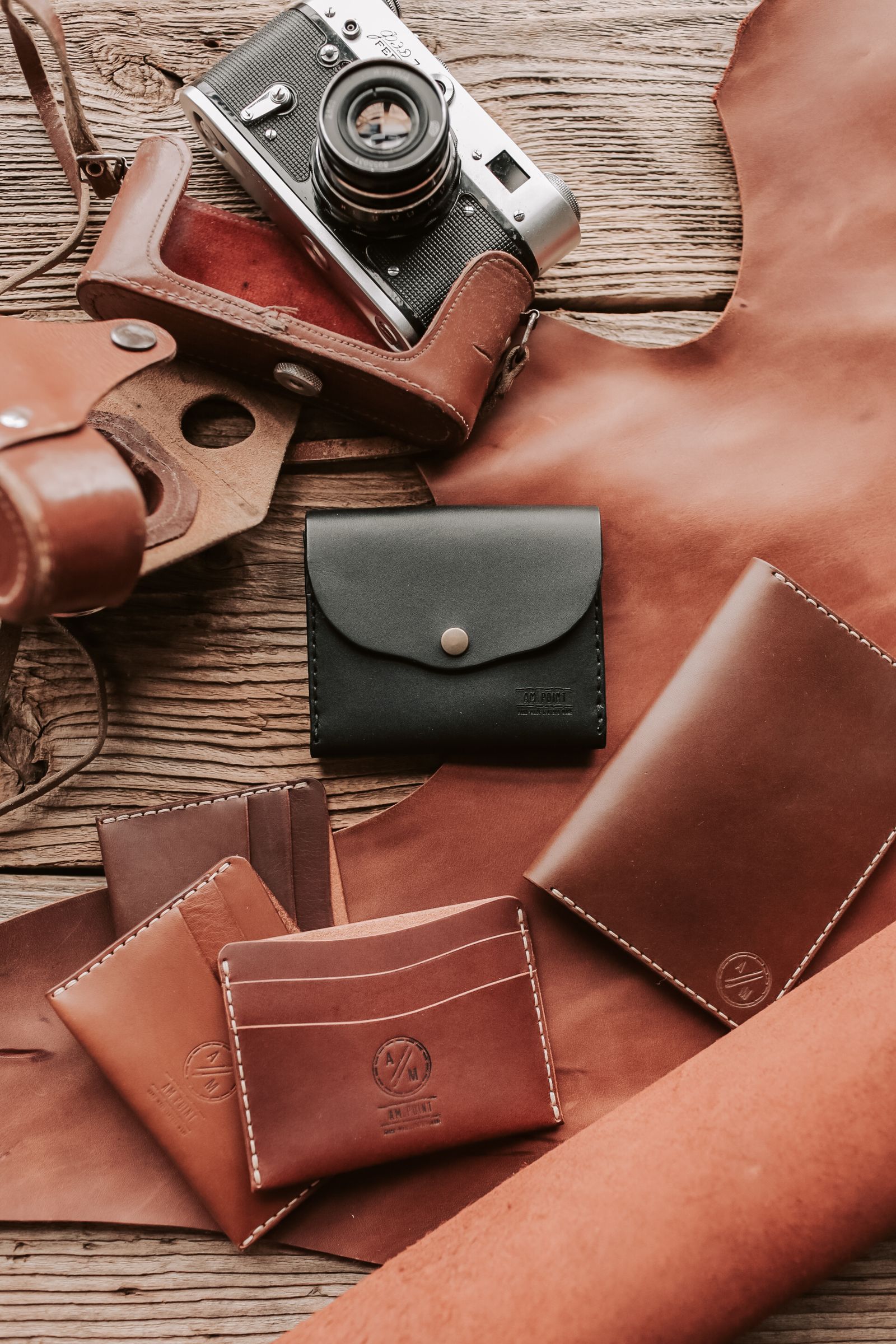
Womit Sie reinigen, hängt davon ab, was Sie besitzen. Vollnarbiges, pflanzlich gegerbtes Leder ist der Goldstandard für Reiseportemonnaies: dicht, entwickelt Patina und reagiert wunderbar auf Konditionierung. Chromgegerbtes Leder ist weicher und wasserabweisender, aber weniger charaktervoll. Fertig (beschichtetes) Leder hat eine Oberflächenversiegelung, die Flecken widersteht, aber nicht viel Pflegemittel aufnehmen kann, während rohes oder Pull-up-Leder unbehandelt ist und Produkte begierig aufnimmt. Überprüfen Sie die Hinweise des Herstellers; testen Sie im Zweifelsfall jedes Produkt zuerst an einer versteckten Stelle. Die Verwendung des falschen Reinigers auf behandeltem Leder kann die Beschichtung entfernen, und eine Überkonditionierung von rohem Leder kann es schlaff machen. Beginnen Sie beim Einkaufen mit Vollnarbenstücken aus unserer Ledergeldbörsen-Kollektion, damit sich die von Ihnen investierte Pflege auch wirklich auszahlt.
| Lederart | Reisetauglichkeit | Pflegehinweise |
|---|---|---|
| Vollnarben-Vegetabil | Am besten | Patina, nimmt Pflegemittel auf |
| Top-Grain | Sehr gut | Geschliffen, weniger Charakter |
| Echtes Leder | Mäßig | Spaltleder, weniger haltbar |
| Bonded | Schlecht | Zusammensetzung aus Resten, vermeiden |
Tägliche Reinigung unterwegs
Sie brauchen nach jeder Reise keine komplette Wellnessbehandlung, aber ein schnelles Zurücksetzen verhindert, dass sich Schmutz mit der Narbung verbindet. Entleeren Sie das Portemonnaie vollständig und schütteln Sie Belege und Staub heraus. Wischen Sie das Äußere mit einem leicht feuchten, weichen Baumwolltuch ab – niemals einweichen. Für klebrige Rückstände von der Flughafenkontrolle oder verschüttetes Streetfood entfernt ein winziger Tropfen milder Sattelseife auf einem feuchten Tuch diese, ohne das Leder zu durchnässen. Lassen Sie das Portemonnaie natürlich an der Luft trocknen, fern von Heizkörpern und direkter Sonneneinstrahlung, die die Form verziehen und die Farbe verblassen lassen können. Ein 60-sekündiges Abwischen im Hotel jede Reisewoche verhindert die meisten langfristigen Schäden.
Was Sie vermeiden, ist genauso wichtig wie das, was Sie tun. Verzichten Sie auf Babyfeuchttücher, Alkoholgele und antibakterielles Händedesinfektionsmittel auf dem Leder – sie entziehen Öle und können die Narbung bleichen. Tauchen Sie das Portemonnaie nicht unter und stecken Sie es nicht in die Waschmaschine, selbst wenn ein Fleck hartnäckig aussieht; eine sanfte Punktbehandlung ist immer besser. Wenn ein Fleck Ihrem Tuch widersteht, verwenden Sie einen geeigneten Lederreiniger, anstatt stärker zu reiben, was nur die Oberfläche poliert und den Schmutz tiefer eindringen lässt.
Der Konditionierungszyklus
Konditionierung ersetzt die natürlichen Öle, die Leder durch Gebrauch und Witterung verliert. Zu wenig und das Leder bekommt Risse; zu viel und es wird fettig und dehnt sich. Der richtige Rhythmus hängt vom Klima und der Nutzung ab. Achten Sie auf drei Signale, die anzeigen, dass es Zeit ist: Das Leder sieht matt statt leicht glänzend aus, es fühlt sich kühl und trocken an und zeigt beim Falten leichte Knitterfalten. Jedes dieser Anzeichen bedeutet, dass Sie innerhalb einer Woche konditionieren sollten.
| Zustand | Wie oft konditionieren | Produkt |
|---|---|---|
| Täglicher Stadteinsatz, mildes Klima | Alle 3–4 Monate | Leichte Creme |
| Vielreisender, verschiedene Klimazonen | Alle 2–3 Monate | Ausgewogener Balsam |
| Tropisch / hohe Luftfeuchtigkeit | Alle 2 Monate | Atmungsaktiv, leicht |
| Arid / Wüstenreisen | Alle 6 Wochen | Reichhaltigerer Balsam |
| Gelagert, nicht getragen | Alle 6 Monate | Leichtes Abwischen |
Lederbrieftasche Schritt für Schritt pflegen
- Zuerst reinigen. Pflegemittel versiegeln Schmutz, daher immer mit einer sauberen, trockenen Brieftasche beginnen.
- Das Leder vorsichtig mit den Händen erwärmen; dies öffnet die Narbung für die Absorption.
- Eine erbsengroße Menge Pflegemittel auf ein weiches Tuch geben und in dünnen, gleichmäßigen Kreisen einreiben.
- Besonders die Kanten und Falten bearbeiten, wo das Leder am schnellsten trocknet und zuerst Risse bekommt.
- 15 Minuten ruhen lassen, dann überschüssiges Mittel mit einem trockenen Tuch abpolieren.
- Über Nacht an der Luft trocknen lassen, bevor sie wieder befüllt wird; eine fettige Brieftasche zieht Taschentücher an.
Verwenden Sie Produkte, die für Leder hergestellt wurden – Nerzöl, Klauenöl oder eine ausgewogene Creme. Vermeiden Sie Körperlotion, Olivenöl oder Vaseline; sie können ranzig werden, ungleichmäßig nachdunkeln oder Nähte verrotten lassen.
Wenn Sie unsicher sind, welches Produkt Sie kaufen sollen, passen Sie es dem Leder an: eine leichte Creme für behandelte und tropische Geldbörsen, ein reichhaltigerer Balsam für rohes vegetabil gegerbtes Leder und aride Klimazonen sowie eine spezielle Kantenfarbe für die lackierten Ränder. Ein einziges gutes Produkt, das konsequent verwendet wird, ist besser als eine Schublade voller halb aufgebrauchter Tuben.
Leder vor Wasser und Flecken schützen
Leder und Wasser sind unbequeme Nachbarn. Ein plötzlicher Regen in Kyoto oder ein verschütteter Kaffee in einem Pariser Café kann einen dauerhaften Ring hinterlassen, wenn man ihn ignoriert. Tupfen Sie ein nasses Portemonnaie – niemals reiben – mit einem Handtuch ab und lassen Sie es langsam trocknen, mit Taschentüchern ausgestopft, um die Form zu halten. Zur proaktiven Verteidigung bietet ein spezielles Imprägnierspray für Leder eine atmungsaktive Barriere, ohne das Gefühl zu verändern, und ein wachsbasierter Schutz eignet sich für robuste Reiseportemonnaies. In feuchten Klimazonen alle paar Monate erneut auftragen. Behandeln Sie Tinten- und Ölflecken sofort mit einem Lederreiniger; je länger sie sitzen, desto tiefer setzen sie sich fest.
Auf einer langen Reise bauen Sie den Schutz ein, bevor Sie abreisen. Tragen Sie zu Hause eine Imprägnierung auf, lassen Sie sie einen Tag aushärten und füllen Sie sie dann mitten auf der Reise auf, wenn Sie sich wochenlang in einer feuchten Region aufhalten. Nehmen Sie ein kleines Reisetuch und einen winzigen Balsam in Ihrem Kulturbeutel mit, damit eine schnelle Behandlung niemals die Suche nach Vorräten im Ausland erfordert. Vorbeugung unterwegs ist viel einfacher als Rettung im Nachhinein.
Lagerung zwischen den Reisen
Wie Sie eine Leder-Reisegeldbörse in der Nebensaison aufbewahren, ist genauso wichtig wie die Reinigung. Bewahren Sie sie an einem kühlen, trockenen Ort ohne direkte Sonneneinstrahlung auf, idealerweise in dem mitgelieferten Stoffbeutel oder einem atmungsaktiven Baumwollbeutel – niemals in versiegeltem Plastik, das Feuchtigkeit einschließt und Schimmelbildung fördert. Stopfen Sie die Fächer mit säurefreiem Seidenpapier aus, damit das Leder nicht monatelang in einer Position knittert. Wenn Sie zwischen sehr unterschiedlichen Klimazonen reisen, lassen Sie die Geldbörse einen Tag lang in ihrer neuen Umgebung akklimatisieren, bevor Sie sie stark beanspruchen; schnelle Feuchtigkeitsschwankungen können die Narbung belasten. Eine einfache Regel: Bewahren Sie Leder so auf, wie Sie gute Schuhe aufbewahren würden. Das Klima zu Hause ist ebenfalls wichtig: In feuchten Küstenstädten fügen Sie der Aufbewahrungstasche ein Silikagel-Päckchen hinzu; in trockenen, beheizten Wohnungen verhindert eine leicht konditionierte Geldbörse, die fern von Heizkörpern aufbewahrt wird, das Austrocknen. Überprüfen Sie die Geldbörse einmal pro Saison, auch wenn sie unbenutzt ist, und geben Sie ihr vor der nächsten Reise eine schnelle Konditionierung, anstatt erst am Flughafen Trockenheit festzustellen.
Patina entwickeln vs. Schäden verhindern
Patina ist das allmähliche Nachdunkeln und Weicherwerden, das ein Leder-Reiseportemonnaie persönlich macht – und das ist wünschenswert. Beschädigungen sind etwas anderes: tiefe Risse, ein steifes, brettartiges Gefühl, Delaminierung der Kanten oder Schimmel. Die Grenze dazwischen ist die Feuchtigkeitskontrolle. Freuen Sie sich über Farbveränderungen und leichten Glanz; greifen Sie ein, wenn Sie Trockenheit, weiße Salzkrusten oder einen sauren Geruch feststellen. Ein Portemonnaie, das benutzt und gepflegt wird, zeigt Charakter; eines, das benutzt und ignoriert wird, zeigt Verfall. Reisefotos können verblassen, aber ein gut patiniertes Portemonnaie wird nur besser. Ein nützlicher Test: Drücken Sie das Leder vorsichtig mit einem Fingernagel. Wenn der Abdruck in wenigen Sekunden verschwindet, ist das Leder gesund und geölt; wenn er bleibt, ist die Narbung trocken und schreit nach Pflegemittel. Führen Sie diesen Schnelltest monatlich durch – er dauert zwei Sekunden und erkennt Probleme, bevor sie sich zeigen.
Reisespezifische Pflegeszenarien
Verschiedene Reisen beanspruchen Leder unterschiedlich, daher passen Sie Ihre Routine dem Ziel an. Bei der Sicherheitskontrolle am Flughafen durchläuft eine Geldbörse viele Hände und Tabletts – wischen Sie sie nach jeder Flugwoche ab und stellen Sie sie niemals auf einen Toilettenboden. Bei Strandurlauben sind Salz und Sand der Feind: Spülen Sie das Äußere nach einem sandigen Tag mit frischem Wasser ab, trocknen Sie es langsam und lassen Sie Salz niemals sitzen. In kalten Bergregionen versteift sich Leder und die Narbung kann reißen; bewahren Sie die Geldbörse in einer Innentasche nah an der Körperwärme auf und konditionieren Sie sie etwas häufiger. In tropischer Luftfeuchtigkeit ist Schimmel das eigentliche Risiko – lüften Sie die Geldbörse nächtlich und legen Sie ein Silica-Päckchen in Ihren Reisebeutel. Die Anpassung der Pflege an die Reise ist der Unterschied zwischen einer Geldbörse, die anmutig altert, und einer, die schlecht altert.
- Stadt oder Geschäft: Wöchentliche leichte Reinigung, vierteljährliche Konditionierung.
- Strand oder Küste: Nach Sandkontakt abspülen, monatlich Imprägnierspray.
- Berge oder Kälte: Aufbewahrung an der Körperwärme, reichhaltigere Konditionierung.
- Tropen: Nächtliches Lüften, Silikagel-Päckchen, häufige Kontrollen.
Einfache Reparaturen, die Sie selbst durchführen können
Die meisten Portemonnaie-Mängel beginnen klein, und kleine Reparaturen zu Hause verhindern, dass sie fatal werden. Halten Sie ein winziges Reparaturset – eine Nadel, gewachsten Faden, Kantenfarbe und eine Stecknadel – in Ihrem Kulturbeutel bereit, damit Sie sofort handeln können, wenn Sie ein Problem entdecken, anstatt es sich über eine Reise ausbreiten zu lassen.
- Trockene Kanten: Eine winzige Menge Kantenpflegemittel oder transparenter Balsam in gerissene Kanten einreiben, um sie wieder zu versiegeln.
- Lose Nähte: Ein einziger gelöster Stich kann mit einer feinen Nadel und gewachstem Faden wieder gebunden werden; stoppen Sie es, bevor die Reihe sich auflöst.
- Beschläge: Einen lockeren Druckknopf oder eine Niete mit einer in Tuch gewickelten Zange festziehen, um Kratzer zu vermeiden.
- Leichte Schrammen: Ein Fingerreiben mit einem Tupfer Pflegemittel kaschiert Oberflächenspuren oft unsichtbar.
- Geruch: Ein Tag in einem geschlossenen Behälter mit Backpulver absorbiert Reisegerüche ohne Chemikalien.
Wann ein Fachmann aufzusuchen ist
Einige Reparaturen überlässt man am besten einem Lederverarbeiter. Wenn die Hauptnaht gerissen ist, das Leder zerrissen statt zerkratzt ist, eine strukturelle Schicht sich ablöst oder ein geliebtes Vintage-Portemonnaie neu vernäht werden muss, wird ein Profi den Faden anpassen und den Wert weitaus besser erhalten als eine Heimreparatur. Viele Hersteller bieten einen Reparaturservice per Post gegen eine geringe Gebühr an, und eine gute Reparatur kann einem Lieblingsportemonnaie Jahre hinzufügen. Als Faustregel gilt: Wenn die Reparatur die Struktur beeinflusst oder aus einem Meter Entfernung sichtbar wäre, rufen Sie den Experten an. Ein guter Lederverarbeiter kann auch sonnenverblichene Kanten nachfärben, einen defekten Druckknopf ersetzen und einen gerissenen Rücken neu vernähen, so dass das Portemonnaie erneuert statt repariert aussieht. Die Kosten sind fast immer geringer als die eines Ersatzes gleicher Qualität, und das Ergebnis erhält ein Stück mit Reiseerinnerungen intakt.
Häufige Pflegefehler bei Ledergeldbörsen
- Übermäßiges Konditionieren: Fettiges Leder dehnt sich und zieht Schmutz an; weniger ist mehr.
- Trocknen mit Hitze: Haartrockner und Heizkörper verziehen die Form und lassen die Narbung reißen.
- Haushaltsöle: Speiseöl und Lotion werden ranzig und flecken.
- Plastikaufbewahrung: Schließt Feuchtigkeit ein und lässt Schimmel während langer Heimreisen wachsen.
- Ignorieren der Kanten: Kanten trocknen zuerst; hier versagen Geldbörsen. Vorbereitung vor der Reise vergessen: Das Konditionieren in der Nacht vor dem Flug ist zu spät; die Aushärtung dauert einen Tag.
Checkliste für die Pflege von Ledergeldbörsen
| Aufgabe | Häufigkeit | Warum es wichtig ist |
|---|---|---|
| Außen abwischen | Wöchentlich auf Reisen | Verhindert Schmutzanhaftung |
| Komplett reinigen | Monatlich | Entfernt Salz und Öle |
| Konditionieren | Gemäß Pflegeplan | Verhindert Risse |
| Imprägnierspray | Alle 2–3 Monate in feuchten Klimazonen | Weist Flecken ab |
| Kanten/Nähte überprüfen | Monatlich | Erkennt frühzeitige Defekte |
| Richtige Lagerung | Nebensaison | Vermeidet Schimmel und Knicke |
Häufig gestellte Fragen
Wie oft sollte ich ein Leder-Reiseportemonnaie pflegen?
Alle zwei bis vier Monate bei regelmäßigem Gebrauch, häufiger in ariden oder tropischen Klimazonen. Pflegen Sie es, wenn das Leder matt aussieht oder sich trocken anfühlt.
Kann ich Olivenöl für mein Lederportemonnaie verwenden?
Ist es schlimm, wenn ein Lederportemonnaie nass wird?
Gelegentlicher Regen ist in Ordnung, wenn Sie es abtupfen und langsam an der Luft trocknen lassen. Wiederholtes Durchnässen ohne Pflege führt zu Flecken und Steifheit.
Soll ich mein Portemonnaie in der Originalverpackung aufbewahren?
Nur wenn die Box atmungsaktiv ist. Eine versiegelte Plastikbox schließt Feuchtigkeit ein; verwenden Sie einen Baumwollbeutel oder eine offene, mit Seidenpapier ausgestopfte Aufbewahrung.
Wie lange hält ein hochwertiges Leder-Reiseportemonnaie?
Bei regelmäßiger Pflege hält ein Vollnarben-Lederportemonnaie oft zehn Jahre oder länger – viel länger als synthetische Alternativen.
Warum reißen die Kanten meines Portemonnaies?
Kanten trocknen am schnellsten und sind meist der erste Schwachpunkt. Ein wenig Kantenpflegemittel bei der monatlichen Pflege verhindert dies.
Kann ich einen Haartrockner verwenden, um das Trocknen zu beschleunigen?
Vermeiden Sie es. Direkte Hitze verzieht die Form und lässt die Narbung reißen; immer bei Raumtemperatur an der Luft trocknen lassen.
Soll ich zwischen zwei Portemonnaies wechseln?
Das Wechseln verlängert die Lebensdauer, da das Leder zwischen den Nutzungen seine Öle wieder aufnimmt, aber nur, wenn beide im gleichen Rhythmus gepflegt werden.
Fazit
Die Pflege eines Leder-Reiseportemonnaies ist weniger aufwendig, als die meisten Reisenden erwarten, und wesentlich günstiger, als ein neues zu kaufen. Reinigen Sie es wöchentlich unterwegs, pflegen Sie es entsprechend dem Klima, schützen Sie es vor Wasser, lagern Sie es atmungsaktiv zwischen den Reisen und beheben Sie kleine Reparaturen, bevor sie größer werden. Wenn Sie das tun, wird ein hochwertiges Leder-Reiseportemonnaie eine reiche Patina und zuverlässige Funktion über ein Jahrzehnt Grenzüberschreitungen hinweg entwickeln. Behandeln Sie es als das kleine Erbstück, das es werden kann, und es wird jedes Abenteuer, das Sie im Jahr 2026 und darüber hinaus erleben, begleiten. Für ein komplettes Leder-Kit kombinieren Sie Ihr Portemonnaie mit einer Aktentasche aus echtem Leder oder einer kompakten Umhängetasche und erkunden Sie unsere gesamte Kollektion an Ledergeldbörsen.