
Zweifach gefaltete Brieftasche vs. Reisebrieftasche: So transportieren Sie Karten, Bargeld und Dokumente im Ausland im Jahr 2026

Die meisten Menschen packen ihre Taschen sorgfältig und tragen ihr Geld dann genauso wie zu Hause: eine Geldbörse, Gesäßtasche, alles darin. Diese Gewohnheit funktioniert gut beim Pendeln am Dienstag und wird zu einem Problem, sobald man mit Gepäck einen unbekannten Bahnhof navigiert. Die Wahl der richtigen Reisegeldbörse – und, was noch wichtiger ist, ein Tragesystem darum herum aufzubauen – ist eine der günstigsten Verbesserungen, die man einer Reise hinzufügen kann.
Dieser Leitfaden vergleicht die wichtigsten Geldbörsenformate, erklärt das Redundanzprinzip, das erfahrene Reisende anwenden, und behandelt, was tatsächlich für die Sicherheit in Europa, Asien und Amerika wichtig ist. Es ist keine Produktliste. Es ist eine Methode, die Sie auf das anwenden können, was Sie bereits besitzen.

Warum Ihre Alltagslgeldbörse im Ausland versagt
Eine normale Geldbörse ist für eines optimiert: schnellen Zugriff auf eine kleine Anzahl von Karten, die Sie ständig benutzen. Reisen bricht drei ihrer Annahmen.
Annahme eins: Sie können Dinge leicht ersetzen. Zu Hause bedeutet eine verlorene Karte einen Anruf und eine neue innerhalb von drei Tagen. In einem anderen Land kann dies Tage ohne Zahlungszugang bedeuten, eine Bank, die nicht international kurieren wird, und eine Support-Hotline, die nur zu Zeiten geöffnet ist, in denen Sie schlafen.
Annahme zwei: Sie führen eine Währung mit sich. Eine mehrtägige Reise bedeutet Banknoten unterschiedlicher Größe, Münzen, die eine kartenorientierte Geldbörse nicht aufnehmen kann, und Belege, die Sie möglicherweise für Steuerrückerstattungen am Flughafen benötigen.
Annahme drei: alles kann zusammenleben. Dies ist die gefährliche Annahme. Eine einzige Geldbörse, die Ihren Reisepass, beide Bankkarten, Ihr gesamtes Bargeld und Ihre Hotel-Keycard enthält, ist ein einziger Fehlerpunkt. Verlieren Sie sie, und die Reise stoppt.
Die Lösung ist nicht, eine größere Geldbörse zu kaufen. Es ist, Ihre Wertsachen auf zwei oder drei Orte mit bewusster Überschneidung aufzuteilen, so dass der Verlust eines davon eine Unannehmlichkeit und keine Notlage ist.
Die Formate im Vergleich
Fünf Formate decken fast jeden Reisenden ab. Jedes löst ein anderes Problem.
Schlankes Zweifach-Portemonnaie
Das klassische gefaltete Portemonnaie, reduziert auf vier bis acht Kartenfächer und ein Notenfach. Seine Tugend ist Diskretion – es liegt flach in einer vorderen Hosentasche und macht nicht auf sich aufmerksam. Seine Einschränkung ist die Kapazität: Es kann keinen Reisepass aufnehmen, und dicke Notenbündel verzerren es.
- Ideal für: Tägliches Tragen auf Reisen, Stadttage, alle, die ein vertrautes Format bevorzugen.
- Schwäche: Keine Dokumentenkapazität, minimale Münzhandhabung.
Kartenhalter / minimalistische Hülle
Drei bis fünf Karten und ein gefalteter Schein oder zwei. Klein genug, um in einer Jackentasche zu verschwinden. Dies ist das ideale Ablenkungs- oder Tagesportemonnaie – Sie tragen eine Karte, etwas Bargeld und sonst nichts, der Rest bleibt woanders gesichert.
- Ideal für: Strandtage, Festivals, Abende, Laufen oder Wandern.
- Schwäche: Zu klein, um als primäres Portemonnaie für eine lange Reise zu dienen.
Reisepass-Geldbörse / Reiseorganizer
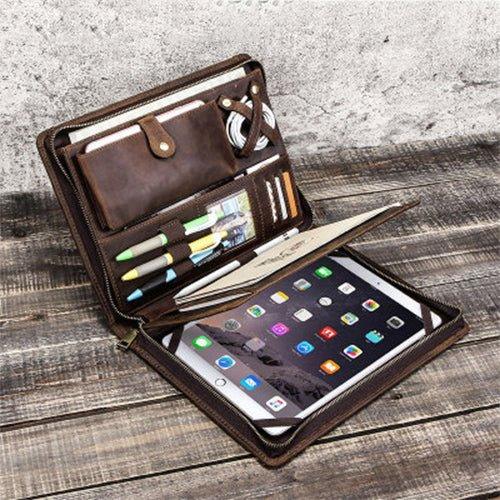
Ein größeres Etui, das einen Reisepass, Bordkarten, mehrere Karten, Banknoten verschiedener Währungen und manchmal eine Stiftschlaufe enthält. Dies konsolidiert alles, was Sie beim Check-in, bei der Einreise und bei der Grenzkontrolle benötigen, in einem einzigen Gegenstand, den Sie als Einheit übergeben können.
- Ideal für: Reisetage – Flughäfen, Fähren, Langstreckenzüge, Grenzübergänge.
- Schwäche: Genau das oben beschriebene Einpunkt-Ausfallrisiko, wenn Sie es als Alltagsgegenstand verwenden. Es ist ein Transitwerkzeug, kein Straßen-Portemonnaie.
Rundum-Reißverschluss-Reisegeldbörse
Ein Reißverschluss-Clamshell mit organisierten Fächern. Der Reißverschluss ist das Hauptmerkmal: Nichts fällt heraus, wenn Sie ihn in einem fahrenden Fahrzeug öffnen, und Münzen bleiben sicher. Voluminöser als ein Bifold, in der Praxis jedoch wesentlich sicherer.
- Ideal für: Reisen mit mehreren Währungen, Reisende, die Belege aufbewahren, jeder, dem schon einmal eine Karte auf den Zugboden gefallen ist.
- Schwäche: Langsamer Zugriff mit einer Hand; sichtbar eine Geldbörse von Wert.
Verstecktes Tragen: Geldgürtel, Halstasche, Bein-Portemonnaie
Unter der Kleidung getragen, konzipiert für Dinge, die Sie tagsüber nicht benötigen: den Reisepass, wenn Sie nicht zwischen Städten reisen, die Ersatzkarte, Notfallbargeld. Moderne Versionen sind dünn genug, um unter einem Hemd unsichtbar zu sein.
- Ideal für: Aufbewahrung auf Reisen und in Unterkünften ohne Safe.
- Schwäche: Schrecklich für den täglichen Gebrauch. Das Herausholen von Bargeld unter dem Hosenbund in einem Geschäft signalisiert genau das, was Sie zu verbergen versuchten.

Das Zwei- oder Drei-Geldbörsen-System
Hier ist die Methode. Es klingt aufwendig, wenn es aufgeschrieben ist, und dauert jeden Morgen etwa neunzig Sekunden, sobald es zur Gewohnheit geworden ist.
Das Tagesportemonnaie
Was Sie am Körper tragen, in einer Vordertasche oder einer gesicherten Tasche. Inhalt: eine Debit- oder Kreditkarte, eine bescheidene Menge lokales Bargeld für den Tag, ein Ausweisdokument, das nicht Ihr Reisepass ist, und Ihre Fahrkarte. Das ist alles. Wenn es gestohlen wird, verlieren Sie das Bargeld eines Nachmittags und eine Karte, die Sie von Ihrem Telefon aus sperren. Die Reise geht weiter.
Die Reserve
In Ihrer Unterkunft gelassen, idealerweise in einem Safe, ansonsten tief im verschlossenen Gepäck. Inhalt: Ihre zweite Karte von einer anderen Bank, der Großteil Ihres Bargeldes, Ihr Reisepass, wenn das lokale Gesetz Sie nicht verpflichtet, ihn mit sich zu führen, und eine gedruckte Kopie wichtiger Dokumente. Die entscheidende Regel ist, dass die Reservekarte von einer anderen Institution als Ihre Tageskarte stammen muss. Zwei Karten von derselben Bank sind eine Karte, weil ein Betrugs-Freeze beide gleichzeitig trifft.
Die Notfallschicht
Etwa 100 Einheiten einer harten Währung – Euro oder US-Dollar – plus eine Fotokopie der Reisepass-Fotoseite, versteckt an einem anderen Ort als die beiden oben genannten. In einem Buch, einem Kulturbeutel, einem Schuh. Dies ist Geld, das Sie niemals anfassen und hoffentlich niemals brauchen. Es dient dazu, Sie am schlimmsten Tag der Reise zu einem Konsulat oder einem Hotel zu bringen.
Zusammen angewendet bedeutet dieses System, dass kein einziger Diebstahl, Verlust oder Stillstand Sie stranden lassen kann. Das ist der Grund, warum erfahrene Reisende sich von Taschendiebstahlgeschichten unbeeindruckt zeigen – nicht, weil sie nie etwas verlieren, sondern weil der Verlust so konzipiert wurde, dass er überlebbar ist.
Materialien: Was eine Reise tatsächlich übersteht
Geldbörsen werden unterwegs mehr beansprucht als zu Hause. Sie werden täglich darauf gesessen, durchnässt, gestopft und geleert.
Vollnarbiges Leder
Die äußerste Schicht der Haut mit intakter Narbung. Es ist das stärkste, widersteht Feuchtigkeit recht gut und entwickelt eine Patina, anstatt sich abzunutzen. Vollnarbiges Portemonnaies halten routinemäßig ein Jahrzehnt oder länger. Sie beginnen steif und brauchen zwei bis drei Wochen Gebrauch, um weicher zu werden und sich an ihren Inhalt anzupassen.
Top-Grain-Leder
Geschliffen und veredelt für ein gleichmäßiges Aussehen. Von Anfang an etwas dünner und flexibler, langfristig geringfügig weniger haltbar. Ein vernünftiger Kompromiss, wenn Sie eine Geldbörse wünschen, die sich sofort eingelaufen anfühlt.
Echtes Leder und Spaltleder
Trotz des beruhigenden Namens ist "Echtes Leder" eine minderwertige Qualität aus Spaltlagen. Spaltleder ist Lederrest, das auf eine Trägerfolie geklebt wird und sich delaminieren wird. Vermeiden Sie beides für eine Reisegeldbörse – der Ausfallmodus ist das Ablösen innerhalb eines Jahres.
Gewachstes Segeltuch und Hybridkonstruktionen
Leichter als Leder, von Natur aus wasserabweisend und für Gelegenheitsdiebe weniger attraktiv, da es als preiswert erscheint. Ein Korpus aus Segeltuch mit lederverstärkten Kanten ist ein ausgezeichneter Reisekompromiss: an den Belastungspunkten robust, insgesamt leicht und schnell trocknend.
Nähte und Kanten
Überprüfen Sie die Stichdichte und ob die Kanten poliert oder lackiert sind. Lackierte Kanten sehen sauber aus und reißen nach einem Jahr des Biegens. Polierte, gewachste Kanten altern besser. Eine doppelt zurückgelegte Ecknaht ist ein Zeichen für einen Hersteller, der erwartet, dass der Artikel stark beansprucht wird. Wenn Sie dieses Maß an Konstruktionsdetails schätzen, gelten die gleichen Standards für unsere Ledergeldbörsenkollektion – Narbenqualität, Kantenbearbeitung und Stichdichte sind auf Fotos sichtbar, wenn man weiß, worauf man achten muss.
RFID-Blockierung: Nützlich, überbewertet oder beides?
RFID-Abschirmung ist die am meisten vermarktete Funktion bei Reisegeldbörsen, und die ehrliche Bewertung ist nuanciert.
Die Bedrohung ist real, aber klein. Kontaktloses Skimming erfordert ein Lesegerät innerhalb weniger Zentimeter, und moderne Karten verwenden einmalige Kryptogramme, anstatt eine wiederverwendbare Nummer zu übertragen. Dokumentierte Fälle von Skimming von Karten aus der Geldbörse, die zu Verlusten führen, sind selten im Vergleich zu Betrug bei nicht vorhandenen Karten durch Datenpannen, was die Abschirmung nicht verhindert.
Wo es wirklich wichtig ist: Biometrische Reisepässe enthalten einen Chip mit persönlichen Daten, und eine abgeschirmte Reisepasstasche ist eine sinnvolle Vorsichtsmaßnahme. Einige Transit- und Hotelsysteme verwenden weniger sichere Protokolle. Und wenn Sie mehrere kontaktlose Karten mit sich führen, verhindert die Abschirmung die häufige Ärgernis, dass ein Lesegerät am Gate die falsche Karte belastet.
Das Fazit: Betrachten Sie die RFID-Blockierung als ein nettes Extra, das bei einer gut verarbeiteten Geldbörse keine zusätzlichen Kosten verursacht, und nicht als Grund, ein ansonsten minderwertiges Produkt zu wählen. Lassen Sie niemals eine Abschirmungsaussage gute Materialien und vernünftige Tragegewohnheiten ersetzen. Eine abgeschirmte Geldbörse in Ihrer Gesäßtasche wird viel wahrscheinlicher von der Hand eines Taschendiebs gestohlen als von einem Funkscanner.
Regionale Realitäten: Bargeld, Karten und Risiko
Wie Sie Ihr System konfigurieren, sollte sich mit Ihrem Ziel ändern.
Europa
Nord- und Westeuropa sind nahezu bargeldlos. In Schweden, den Niederlanden oder Norwegen können Sie eine Woche verbringen, ohne eine Banknote anzufassen, und einige Einrichtungen lehnen Bargeld vollständig ab. Priorisieren Sie die Kartenkapazität und halten Sie nur eine kleine Notreserve bereit. Südeuropa und Osteuropa behalten einen höheren Bargeldgebrauch bei, insbesondere auf Märkten, in Taxis und in kleinen Familienunternehmen. Das Taschendiebstahlrisiko konzentriert sich auf touristisch stark frequentierte Gebiete Barcelonas, Roms, Paris und Prag – insbesondere in U-Bahn-Linien, an Kathedralen-Warteschlangen und um größere Bahnhöfe herum. Ein schlankes Portemonnaie in der Vordertasche ist in diesen Umgebungen deutlich sicherer als eines in der Gesäßtasche.
Asien
Enorme Variation. Japan bleibt trotz seines technologischen Rufs im Wesentlichen bargeldorientiert, und ein Münzfach ist wirklich notwendig, da 100- und 500-Yen-Münzen einen echten Wert haben. China und große Teile Südostasiens sind auf QR-Code-Mobilzahlungen umgestiegen, wo eine ausländische Karte möglicherweise weniger nützlich ist als ein gut konfiguriertes Telefon. Indien mischt die Dominanz von UPI mit einem weit verbreiteten Bargeldgebrauch außerhalb der Städte. Feuchtigkeit ist ein praktisches Problem: Leder im tropischen Asien muss belüftet werden, und eine in einer feuchten Tasche vergessene Geldbörse wird Schimmelflecken entwickeln. Die Kriminalitätsraten auf der Straße sind in Ostasien im Allgemeinen niedrig; das größere Risiko besteht einfach darin, Dinge auf dem Transportweg zu verlieren.
Die Amerikas
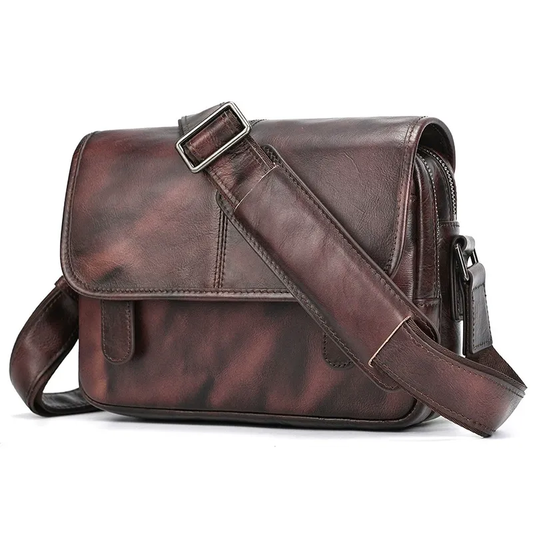
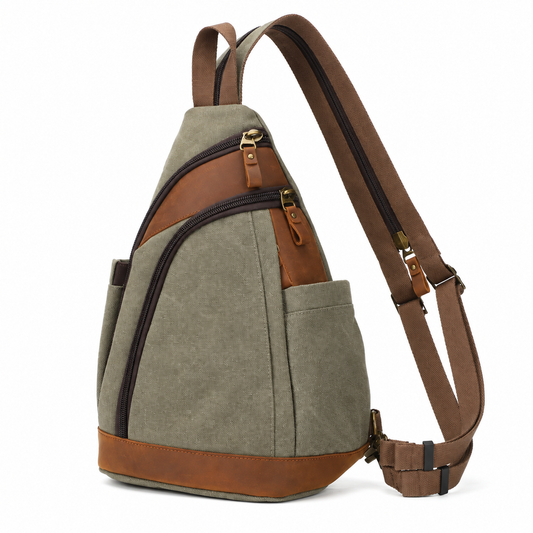
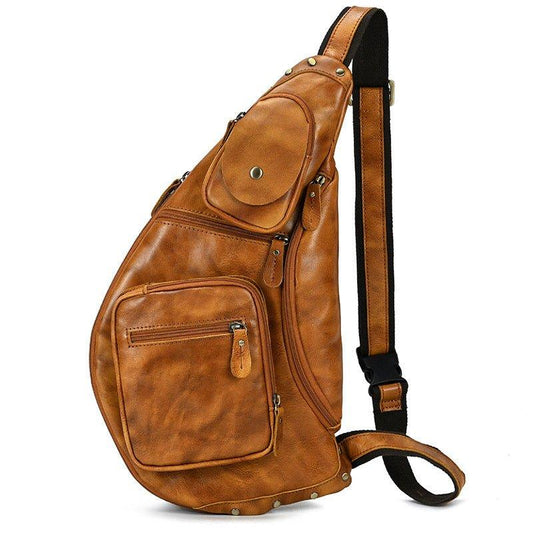
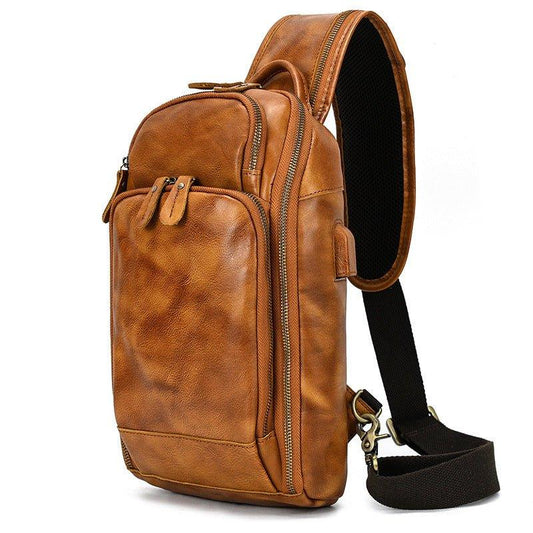
Die Vereinigten Staaten und Kanada sind kartenfreundlich, obwohl die Trinkgeldkultur bedeutet, dass kleine Scheine täglich nützlich bleiben. Lateinamerika variiert stark je nach Stadt und sogar nach Viertel. Die dort weit verbreitete Praxis ist ein Ablenkungsportemonnaie: ein alter Kartenhalter mit einer kleinen Menge Bargeld und einer abgelaufenen Karte, sichtbar getragen, während das echte Tagesportemonnaie in einer Reißverschlusstasche im Inneren bleibt. In risikoreicheren Gebieten ist das Tragen Ihrer Habseligkeiten in einer am Körper getragenen Tasche anstatt in einer Tasche die effektivste Anpassung – eine quer über den Körper getragene Sling Bag, die vorne getragen wird, ist schwer zu öffnen, ohne dass Sie es bemerken, weshalb sie sich in dieser Region zum Standard für Städtereisen entwickelt hat.

Packen und Tagesroutine
Ein System funktioniert nur, wenn Sie es konsequent anwenden. Drei Gewohnheiten machen es automatisch.
- Die Morgentrennung: Bevor Sie Ihre Unterkunft verlassen, laden Sie die Tagesgeldbörse und lassen Sie die Reserve zurück. Dreißig Sekunden. Dies zu Beginn des Tages zu tun, ist viel zuverlässiger, als im Moment zu entscheiden.
- Die Taschenregel: Geldbörse in einer Vordertasche oder einer inneren Reißverschlusstasche der Tasche. Niemals in einer Gesäßtasche, niemals in einer äußeren Tasche, niemals in einer Jackentasche, die Sie nicht fühlen können. Wenn Sie eine Gesäßtasche verwenden müssen, knöpfen Sie sie zu.
- Der Abend-Reset: Belege leeren, Bargeld neu verteilen, alles Verbrauchte notieren. Dies fängt eine fehlende Karte am selben Tag ab, anstatt am Flughafenschalter.
Für Geschäftsreisende erstreckt sich die Routine auf Dokumente. Das Aufbewahren eines Reisepassetuis und einer schlanken Tagesgeldbörse in einer strukturierten Tasche bedeutet, dass beides geschützt ist und keines am Check-in-Schalter verloren geht. Wenn Ihre Reisen Besprechungen und Bewegung kombinieren, sind unsere Aktentaschen aus echtem Leder genau auf diese Kombination aus Dokumentsicherheit und schnellem Zugriff ausgelegt.
Digitale Backups, die wirklich helfen
Physische Redundanz ist nur die Hälfte des Systems.
- Fotografieren Sie die Fotoseite Ihres Reisepasses, beide Seiten jeder Karte, die Reiseversicherungspolice und alle Visa. Speichern Sie sie in einer verschlüsselten Notiz oder einem Passwortmanager – nicht in einem ungeschützten Fotoalbum.
- Speichern Sie die internationale Telefonnummer Ihrer Bank offline. Kostenlose Rufnummern funktionieren oft nicht aus dem Ausland; finden Sie die Direktwahl-Entsprechung, bevor Sie abreisen.
- Fügen Sie Karten zu einer digitalen Geldbörse auf Ihrem Telefon und, wenn möglich, einer Smartwatch hinzu. Wenn Ihre physische Geldbörse verloren geht, hält Sie die kontaktlose Zahlung über ein Gerät funktionsfähig.
- Aktivieren Sie Reisebenachrichtigungen in Ihrer Banking-App, damit eine legitime ausländische Transaktion keinen automatischen Sperrzustand auslöst.
- Notieren Sie die Adresse und Öffnungszeiten Ihres Konsulats für jedes Reiseziel. Es dauert zwei Minuten und ist nur einmal wichtig.
Häufig gestellte Fragen
Sollte ich meinen Reisepass jeden Tag bei mir tragen?
Es hängt von den lokalen Gesetzen ab. Einige Länder verlangen von Ausländern, jederzeit einen Ausweis bei sich zu tragen; andere akzeptieren eine Fotokopie. Überprüfen Sie die spezifische Regel für Ihr Reiseziel. Wo eine Kopie akzeptabel ist, lassen Sie den Reisepass gesichert und tragen Sie eine Kopie plus einen sekundären Lichtbildausweis.
Wie viel Bargeld sollte ich auf Reisen mitnehmen?
Genug für einen ganzen Tag normaler Ausgaben in Ihrer Tagesgeldbörse und zwei bis drei Tagesausgaben in Ihrer Reserve. Passen Sie die Menge an das Reiseziel an – ein bargeldlastiges Land wie Japan erfordert mehr, ein kartenbasiertes Land wie Schweden viel weniger.
Lohnt sich ein Geldgürtel immer noch?
Als Aufbewahrungsort, ja. Als täglich zugängliche Geldbörse, nein. Benutzen Sie ihn, um Ihren Reisepass und Ihre Ersatzkarte an langen Reisetagen aufzubewahren, und öffnen Sie ihn niemals in der Öffentlichkeit. Wenn Sie feststellen, dass Sie ihn im Laden herausholen müssen, ist Ihr Tagesportemonnaie unterversorgt.
Braucht eine Reisegeldbörse RFID-Blockierung?
Es ist eine sinnvolle Funktion für das Passfach und verhindert versehentliche Doppelablesungen von kontaktlosen Karten, sollte aber nicht Ihr entscheidender Faktor sein. Materialqualität, Konstruktion und wie die Geldbörse zu Ihren Tragegewohnheiten passt, sind wesentlich wichtiger.
Was ist die beste Geldbörse für eine Mehrtagesreise?
Eine Rundum-Reißverschluss-Reisegeldbörse mit getrennten Notenfächern, die als Transit- und Unterkunfts-Portemonnaie verwendet wird, gepaart mit einem schlanken Kartenhalter für den täglichen Gebrauch auf der Straße. Das physische Trennen der Währungen verhindert den häufigen Fehler, den falschen Schein zu übergeben.
Wie pflege ich eine Ledergeldbörse auf einer langen Reise?
Halten Sie es von direkter Sonneneinstrahlung und anhaltender Feuchtigkeit fern. Wenn es nass wird, tupfen Sie es ab und lassen Sie es langsam bei Raumtemperatur trocknen – niemals auf einer Heizung. Leeren Sie es regelmäßig, damit es sich nicht dauerhaft ausdehnt, und tragen Sie alle paar Monate eine leichte Pflege auf. Überfüllung ist die Hauptursache für aufgeplatzte Nähte.
Sollen Paare oder Familien getrennt tragen?
Ja, und das ist eine der effektivsten Vorsichtsmaßnahmen überhaupt. Teilen Sie Karten und Bargeld zwischen zwei Personen auf, damit ein einziger Verlust nie beide betrifft. Jede Person sollte eine Kopie der wichtigsten Dokumente der anderen Person bei sich tragen.
Fazit
Die beste Reisegeldbörse ist kein einzelnes Objekt, sondern ein kleines System: eine diskrete Tagesgeldbörse, die nur das enthält, was Sie für die nächsten Stunden benötigen, eine gesicherte Reserve mit der Karte einer zweiten Bank und dem Großteil Ihres Bargeldes, und eine versteckte Notfallschicht, die Sie hoffentlich ignorieren können. Wählen Sie vollnarbiges Leder oder ein lederverstärktes Segeltuch für die Teile, die täglich benutzt werden, bevorzugen Sie das Tragen in der Vordertasche oder am Körper gegenüber Gesäßtaschen, und betrachten Sie die RFID-Abschirmung als Bonus und nicht als Strategie.
Passen Sie die Konfiguration an Ihr Reiseziel an – kartenlastig in Nordeuropa, münz- und bargeldbereit in Japan, mit Köder ausgestattet in risikoreichen Stadtgebieten – und sichern Sie das Ganze digital, bevor Sie abreisen. Bauen Sie das System einmal auf, lassen Sie es auf Autopilot laufen, und der Verlust einer Geldbörse im Ausland wird zu einem leicht ärgerlichen Nachmittag statt zur Geschichte, die die Reise bestimmt.