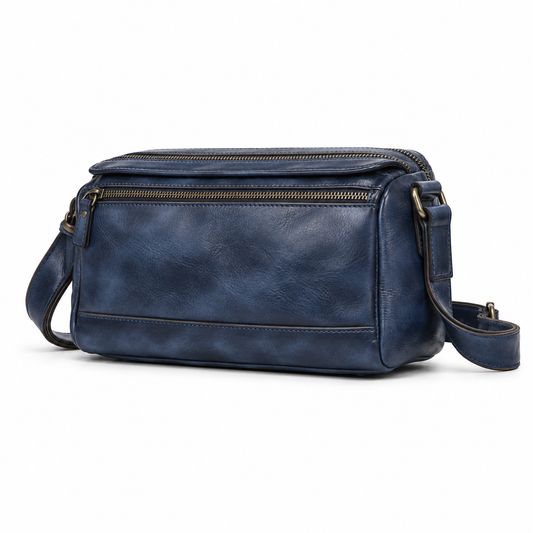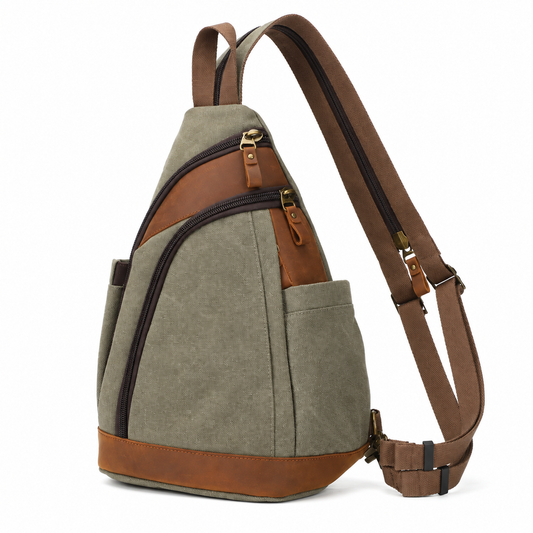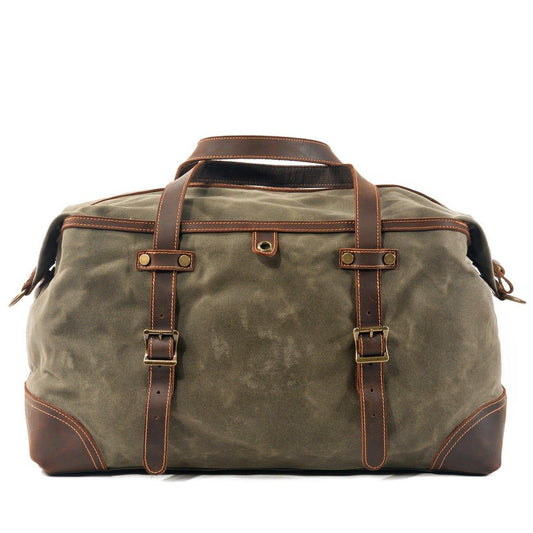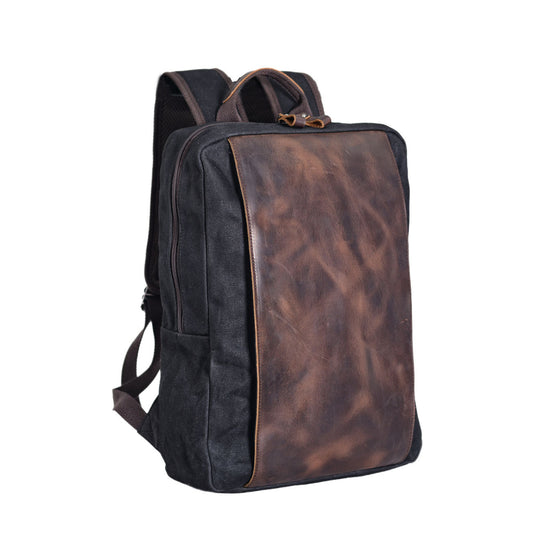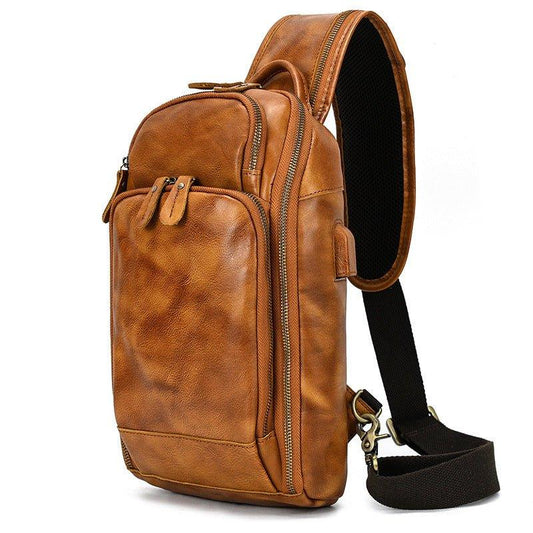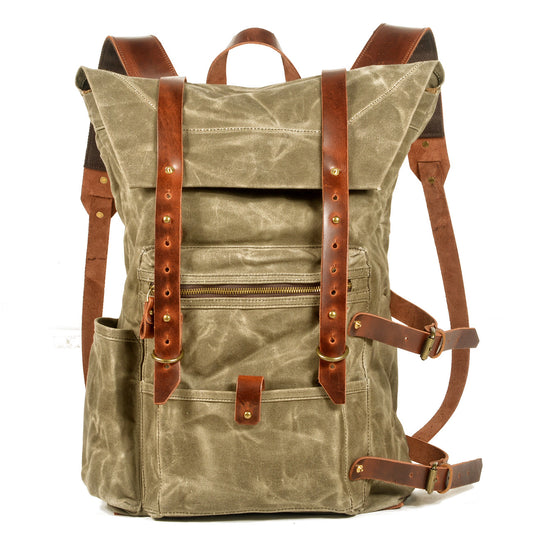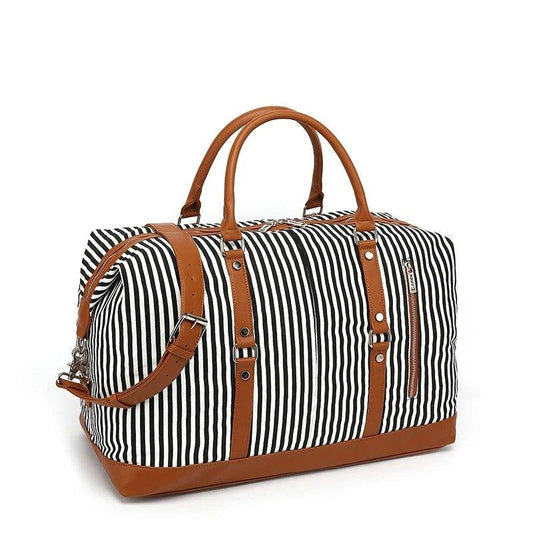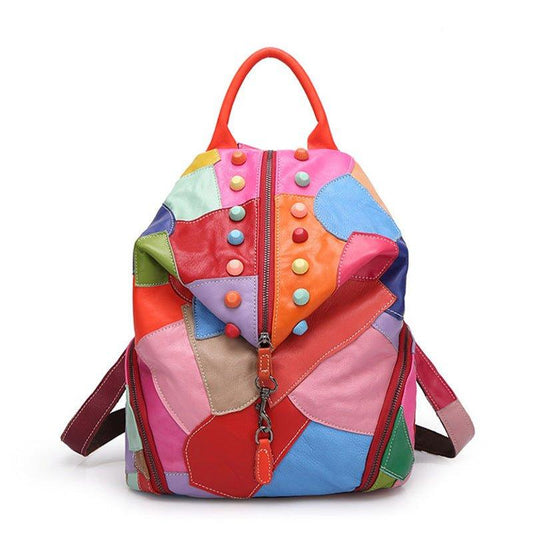

Die besten Vintage-Leder-Umhängetaschen für Pendler im Jahr 2026

Die besten Vintage-Ledertaschen für Pendler im Jahr 2026
Ein guter Pendelverkehr beginnt mit der richtigen Tasche. Zu schwer und die Schulter schmerzt schon vor dem ersten Meeting. Zu dünn und der Laptop ist nur einen verschütteten Kaffee vom Desaster entfernt. Vintage-Ledertaschen lösen beide Probleme auf einmal – sie tragen alles, was ein moderner Pendler braucht, und sehen dabei besser aus als jeder Nylonrucksack. Im Jahr 2026 verbinden die besten Ledertaschen alte Handwerkskunst mit intelligenten, auf Pendler ausgerichteten Funktionen, die den Alltag etwas würdevoller gestalten. Dieser Leitfaden erklärt, was eine Umhängetasche wirklich großartig für den Pendelverkehr macht, welche Stile zu verschiedenen Städten und Routinen passen und wie man eine auswählt, die jahrelang täglich hält.
Egal, ob Sie durch Amsterdam radeln, die U-Bahn in London benutzen oder in einem Vorstadtbüro in Texas arbeiten, eine gut gewählte Leder-Umhängetasche verwandelt eine funktionale Notwendigkeit in ein persönliches Statement. Lassen Sie uns die Materialien, Funktionen und Marken erkunden, die die besten Vintage-Leder-Umhängetaschen für Pendler im Jahr 2026 auszeichnen.
Warum Pendler Vintage-Ledertaschen Rucksäcken vorziehen
Rucksäcke sind praktisch, haben aber für berufstätige Pendler Einschränkungen. Sie zerknittern Anzugjacken, lassen Sie im Sitzungssaal wie einen Studenten aussehen und zwingen Sie, sie abzunehmen, um auf etwas zuzugreifen. Eine Umhängetasche sitzt an Ihrer Hüfte, lässt sich öffnen, ohne sie abzunehmen, und passt natürlich zu Businesskleidung. Hier ist, warum sich der Trend zu Vintage-Leder-Umhängetaschen beschleunigt.
Professionelles Erscheinungsbild
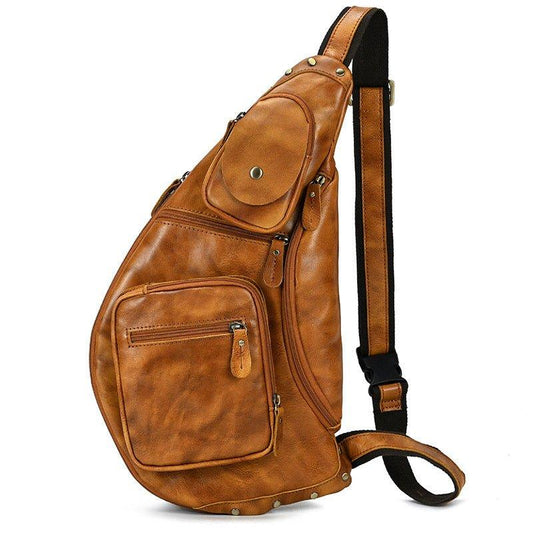
Eine Leder-Umhängetasche signalisiert Absicht. Sie sagt aus, dass Sie sich Gedanken über Ihr Gepäck gemacht haben, bevor Sie das Haus verlassen haben. In kundennahen Rollen in der Finanz-, Rechts- und Kreativbranche ist die Tasche, die Sie tragen, Teil Ihres ersten Eindrucks – und Vintage-Leder übertrifft in diesem Kontext technische Nylons konsequent.
Schneller Zugriff unterwegs
Brauchen Sie Ihre Fahrkarte am Bahnsteig? Ein Notizbuch mitten im Meeting? Eine Umhängetasche lässt sich öffnen, während sie noch auf Ihrer Schulter liegt. Für Pendler, die Drehkreuze, Fahrkartenautomaten und Kaffeetheken passieren, spart dieser einhändige Zugriff täglich Minuten.
Ganztägiger Komfort bei richtiger Größe
Eine häufige Kritik an Umhängetaschen sind Schulterschmerzen, aber das ist fast immer ein Größenproblem – kein inhärenter Fehler. Eine richtig sitzende Vintage-Leder-Umhängetasche verteilt das Gewicht richtig auf dem Rücken, wenn sie richtig festgezogen ist, und ihr Crossbody-Design hält die Last auf dem Fahrrad oder in einem überfüllten Zug stabil. Der Schlüssel ist die Wahl der richtigen Größe für Ihre tägliche Last, die wir unten behandeln.
Vollnarbenleder vs. Narbenleder: Was Pendler wissen sollten
Lederqualitäten sind kein Marketing-Unsinn – sie bestimmen, wie Ihre Tasche altert, wie viel sie wiegt und wie viel Regen sie aushält. Das Verständnis des Unterschieds bewahrt Sie davor, eine Tasche zu kaufen, die nach einem nassen Winter Risse bekommt.
Vollnarbenleder
- Die äußerste Schicht der Haut, mit intakter natürlicher Narbung und Unvollkommenheiten
- Entwickelt über Jahre des Gebrauchs eine reiche Patina; dunkelt dort ab, wo Sie es am meisten berühren
- Die haltbarste Option – hält bei minimaler Pflege problemlos 10–20 Jahre
- Schwerer als Narbenleder, aber das höhere Gewicht erkauft eine unübertroffene Langlebigkeit
- Am besten für tägliche Pendler, die eine Tasche für das nächste Jahrzehnt wünschen
Narbenleder
- Die zweite Schicht der Haut, geschliffen und bearbeitet, um Unvollkommenheiten zu entfernen
- Leichter und gleichmäßiger im Aussehen als Vollnarbenleder
- Günstiger und von Haus aus widerstandsfähiger gegen Flecken
- Entwickelt nicht die gleiche Tiefe der Patina wie Vollnarbenleder
- Am besten für Pendler, die geringeres Gewicht und niedrigere Kosten priorisieren
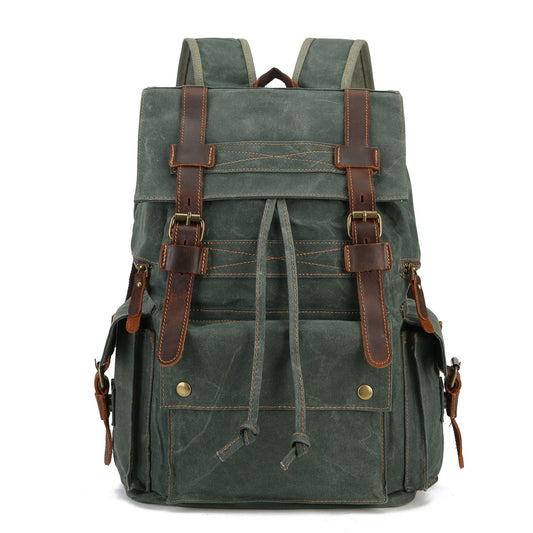
Für eine Tasche, die Sie täglich bei Wind und Wetter tragen werden, sind Vollnarben-Vintage-Leder-Umhängetaschen die überlegene Langzeitinvestition. Die Patina erzählt Ihre Geschichte auf eine Weise, die kein synthetisches Material erreichen kann. Stöbern Sie in der Woosir Vintage-Canvas-Umhängetaschen-Kollektion nach Stilen, die Leder mit wetterfestem Canvas für noch mehr Vielseitigkeit verbinden.

Die Anatomie einer großartigen Pendler-Umhängetasche
Eine Tasche ist mehr als ihr Leder. Die Details entscheiden darüber, ob sie zu Ihrem täglichen Begleiter wird oder im Schrank verstaubt. Hier sind die Komponenten, die die besten Vintage-Leder-Umhängetaschen vom Rest unterscheiden.
Riemen und Beschläge
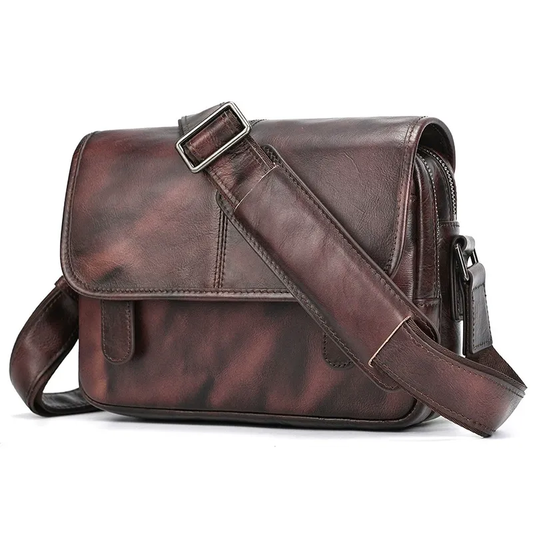
Der Schultergurt ist die am meisten übersehene Komponente – und die, die zuerst versagt. Suchen Sie nach einem breiten (mindestens 1,5 Zoll), gepolsterten Gurt, der das Gewicht verteilt, ohne einzuschneiden. Schnallen und D-Ringe aus massivem Messing oder Edelstahl widerstehen Korrosion durch Schweiß und Regen. Schnellverschluss-Schnallen ermöglichen es Ihnen, die Tasche schnell zu entfernen, ohne sie über den Kopf heben zu müssen – ein kleines Feature, das jedes Mal zählt, wenn Sie sich an einen Schreibtisch setzen.
Verschlusssystem
Traditionelle Klappen- und Schnallenverschlüsse sind das Markenzeichen von Vintage-Leder-Umhängetaschen und bieten den besten Wetterschutz. Für schnelleren Zugriff suchen Sie nach versteckten Magnetverschlüssen unter einer traditionellen Klappe – so erhalten Sie den Vintage-Look mit modernem Komfort. Vermeiden Sie Taschen, die sich ausschließlich auf Reißverschlüsse an der oberen Öffnung verlassen; diese sind das Erste, was nach einem Jahr täglichen Gebrauchs versagt.
Innenorganisation
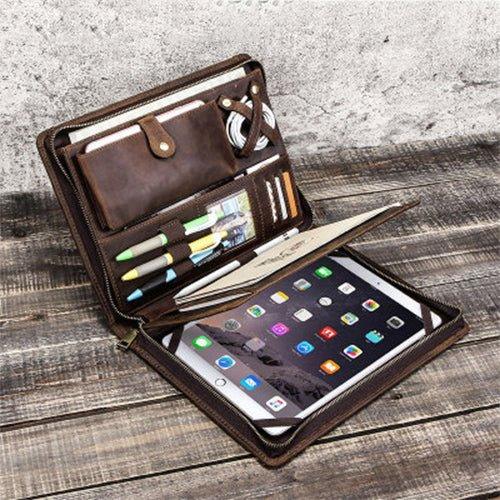
Ein gepolstertes Laptopfach ist für Pendler im Jahr 2026 unerlässlich. Darüber hinaus sollten Sie ein spezielles Tabletfach, Stiftschlaufen, einen Schlüsselclip und Reißverschlusstaschen für Wertsachen suchen. Die besten Vintage-Leder-Umhängetaschen halten Ihre Ausrüstung organisiert, ohne das Innere in ein Labyrinth unnötiger Trennwände zu verwandeln.
Wetterbeständigkeit
Leder ist von Natur aus wasserabweisend, aber nicht wasserdicht. Für Pendler in regenreichen Städten wie Seattle, London oder Singapur wählen Sie eine Tasche mit gewachster Oberfläche oder kombinieren Sie sie mit einem wasserdichten Innenfutter. Das Klappendesign selbst bietet einen erheblichen Regenschutz – viel mehr als ein Rucksack mit Reißverschluss oben.
Vintage-Leder-Umhängetaschen vs. andere Pendeltaschenstile
| Merkmal | Vintage-Leder-Umhängetasche | Nylonrucksack | Canvas-Umhängetasche | Aktentasche |
|---|---|---|---|---|
| Professionelles Aussehen | Ausgezeichnet | Lässig | Lässig-elegant | Ausgezeichnet |
| Schneller Zugriff | Ausgezeichnet (einhändig) | Schlecht (muss abgenommen werden) | Gut | Gut |
| Laptopschutz | Gut (mit Polsterung) | Ausgezeichnet | Gut | Gut |
| Wetterbeständigkeit | Gut (Klappe + Wachs) | Gut | Ausgezeichnet (wenn gewachst) | Mäßig |
| Gewicht | Mittel–schwer | Leicht | Leicht–mittel | Mittel |
| Haltbarkeit | 10–20+ Jahre | 3–7 Jahre | 5–10 Jahre | 5–15 Jahre |
| Fahrradfreundlich | Ausgezeichnet | Ausgezeichnet | Ausgezeichnet | Schlecht |
| Patina / Charakter | Hervorragend | Keine | Mäßig | Gut |
Der Vergleich macht die Kompromisse deutlich. Vintage-Leder-Umhängetaschen dominieren in Bezug auf professionelles Aussehen, Haltbarkeit und einhändigen Zugriff – die drei wichtigsten Dinge für tägliche Pendler. Nylonrucksäcke gewinnen beim Gewicht, verlieren aber deutlich an Stil und Langzeitwert.
Ihre Umhängetasche an Ihren Pendeltyp anpassen
Der urbane Pendler (London, New York, Tokio, Shanghai)
Pendler, die öffentliche Verkehrsmittel nutzen, benötigen eine Tasche, die Menschenmassen, Drehkreuze und unberechenbares Wetter bewältigt. Eine mittelgroße Vintage-Leder-Umhängetasche mit gepolstertem Laptopfach, schnell zugänglichem Fahrkartenfach und wetterfester Klappe ist ideal. Halten Sie die Tasche schlank genug, um sie in überfüllten Zügen zu tragen, ohne andere Passagiere anzustoßen. Dunkelbraunes oder schwarzes Leder verbirgt städtischen Schmutz und passt zu jedem Mantel.
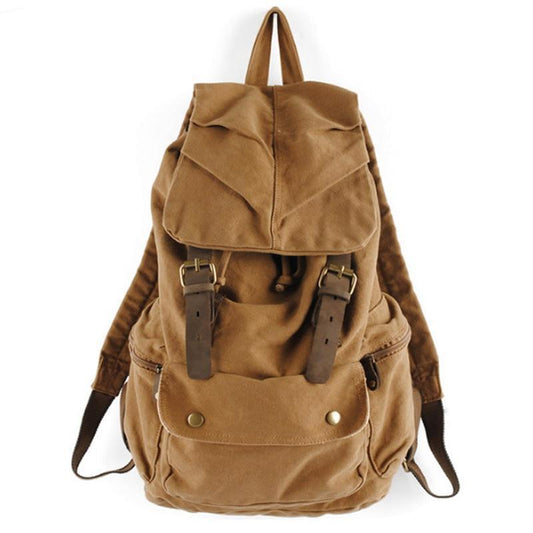
Für Pendler, die auch die Vielseitigkeit von Canvas wünschen, bietet die Woosir Vintage-Canvas-Messenger-Kollektion leichtere Alternativen mit der gleichen Crossbody-Funktionalität.
Der Fahrradpendler (Amsterdam, Kopenhagen, Portland, Berlin)
Radfahrer brauchen eine Tasche, die an Ort und Stelle bleibt. Das Crossbody-Design einer Umhängetasche ist auf dem Fahrrad von Natur aus stabiler als ein Rucksack, der beim Vorbeugen auf den Schultern verrutscht. Fügen Sie einen sekundären Stabilisierungsgurt hinzu, der unter dem Arm befestigt wird, und die Tasche sitzt auch bei scharfen Kurven fest am Rücken. Vollnarbenleder mit gewachster Oberfläche verträgt Spritzwasser, und reflektierende Details – oder zumindest helleres Leder – verbessern die Sichtbarkeit bei Nacht.
Der Auto- und Büro-Pendler (Vorstädte in Amerika, Australien)
Wenn Sie mit dem Auto zur Arbeit fahren, spielt das Gewicht eine geringere Rolle und der Stil eine größere. Hier glänzen Vollnarben-Vintage-Leder-Umhängetaschen wirklich. Wählen Sie eine größere Größe, die einen Laptop, Mittagessen, Sportkleidung und Akten aufnehmen kann – Sie tragen sie nicht über längere Strecken. Die Tasche sitzt auf dem Beifahrersitz und dann auf Ihrer Schulter für den Weg vom Parkplatz zum Schreibtisch. Tan- oder Cognac-Leder entwickelt bei dieser geringen Abrieb-Routine die reichste Patina.
Der multimodale Pendler (Kombination aus Zug, Fußweg und Bus in Europa und Asien)
Multimodale Pendler sind den anspruchsvollsten Bedingungen ausgesetzt: Züge, Busse, Spaziergänge und unvorhersehbares Wetter auf einer einzigen Reise. Eine mittelschwere Vollnarben-Leder-Umhängetasche mit wasserdichtem Innenfutter und gepolstertem Gurt bewältigt all dies. Priorisieren Sie die Organisation – Sie müssen zwischen Laptop, Buch und Fahrkarte wechseln können, ohne alles auszupacken. Eine Tasche, die sich zwischen Crossbody- und Aktentaschen-Trageweise umwandeln lässt, bietet Flexibilität für verschiedene Abschnitte der Reise.

Wesentliche Merkmale von Pendler-Umhängetaschen im Jahr 2026
- Gepolstertes Laptopfach: Passend für Laptops bis zu 15 oder 16 Zoll mit passgenauer, stoßdämpfender Polsterung
- Breiter, gepolsterter Schultergurt: Mindestens 1,5 Zoll breit mit rutschfester Polsterung, um Einschneiden zu verhindern
- Schnell zugängliches Außenfach: Für Handy, Fahrkarte oder Schlüssel, ohne die Hauptklappe zu öffnen
- Stabilisierungsriemen: Ein sekundärer Unterarmgurt für Radfahrer; abnehmbar, wenn nicht benötigt
- Hardware aus massivem Messing oder Edelstahl: Rostbeständig gegen Regen und Schweiß; altert schön mit dem Leder
- Magnet- oder Schnellverschluss-Klappe: Kombiniert Vintage-Optik mit schneller, einhändiger Bedienung
- Trolley-Sleeve: Eine Rückenplatte, die über Rollgepäckgriffe geschoben werden kann, für Geschäftsreisende
- Verstecktes RFID-Fach: Schützt kontaktlose Karten während überfüllter Pendelwege durch große Verkehrsknotenpunkte
Budget vs. Premium: Wie viel sollten Sie für eine Leder-Umhängetasche ausgeben?
Vintage-Leder-Umhängetaschen decken eine große Preisspanne ab, und mehr auszugeben bedeutet nicht immer, mehr zu bekommen. Hier ist, was Sie in jeder Preisklasse im Jahr 2026 erwarten können.
Einstiegspreis ($80–$150)
- Narben- oder korrigiertes Narbenleder mit synthetischem Futter
- Grundlegende Organisation: ein Laptopfach, ein oder zwei Innenfächer
- Plattierte Hardware, die nach 2–3 Jahren täglichen Gebrauchs Abnutzungserscheinungen zeigen kann
- Funktionsfähig für 3–5 Jahre Pendeln; eine gute Startertasche, um zu testen, ob der Messenger-Stil für Sie geeignet ist
Mittelklasse ($150–$350)
- Vollnarbenleder von renommierten Gerbereien mit Baumwoll- oder Nylonfutter
- Massive Messing- oder Edelstahlbeschläge, die gut altern und korrosionsbeständig sind
- Durchdachte Organisation: gepolstertes Laptopfach, Tabletfach, Stiftschlaufen, Schlüsselclip
- Lebensdauer von 8–15 Jahren bei grundlegender Pflege; der Sweet Spot für die meisten Pendler
Premium ($350–$800+)
- Vollnarbenleder von Traditionsgerbereien (Horween, Wickett & Craig) mit Wildleder- oder Lederfutter
- Handgenähte Nähte, handpolierte Kanten, massive Messingbeschläge in Kleinserien gegossen
- Lebenslange Garantie von Handwerksbetrieben; problemlos 20+ Jahre täglicher Gebrauch
- Ein Erbstück, das mit jedem Pendeln besser wird und weitergegeben werden kann
Für die meisten Pendler bietet die Mittelklasse (150–350 US-Dollar) das beste Gleichgewicht aus Qualität, Langlebigkeit und Wert. Eine Vollnarbenledertasche in diesem Bereich überdauert drei Einstiegstaschen und entwickelt eine Patina, für die Premiumtaschen bekannt sind.
Häufige Fehler beim Kauf einer Vintage-Ledertasche für Pendler
- Zu groß kaufen: Eine übergroße Tasche verleitet zum Überpacken, was zu Schulterschmerzen und einer unordentlichen Silhouette führt. Wählen Sie eine Größe, die Ihre täglichen Essentials plus einen zusätzlichen Artikel fasst, nicht alles, was Sie möglicherweise brauchen könnten
- Den Riemen ignorieren: Ein dünner, ungepolsterter Riemen an einer schweren Ledertasche wird innerhalb einer Woche schmerzen. Der Riemen ist genauso wichtig wie die Tasche selbst
- Gebundenes Leder wählen: Gebundenes Leder ist Lederstaub, der auf eine Stoffunterlage geklebt wird. Es löst sich innerhalb eines Jahres des täglichen Pendelns ab. Bestehen Sie nur auf Vollnarben- oder Narbenleder
- Den Stabilisator für das Radfahren weglassen: Ohne einen Crossbody-Stabilisator schwingt die Tasche bei jeder Kurve nach vorne
- Den Verschluss übersehen: Schnallen sehen toll aus, verlangsamen Sie aber an jedem Kaffeestand. Suchen Sie nach Magnetverschlüssen, die unter einer traditionellen Schnallenklappe versteckt sind
Pflege Ihrer Vintage-Leder-Umhängetasche
Tägliche und wöchentliche Pflege
- Nach regnerischen Pendelfahrten mit einem trockenen Tuch abwischen; an der Luft trocknen lassen, fern von Heizkörpern
- Die Tasche jeden Abend leeren, um dauerhaftes Ausdehnen durch Überfüllen zu verhindern
- Wechseln Sie die Schulter, auf der Sie die Tasche tragen, wenn Sie bemerken, dass das Leder ungleichmäßig dunkler wird
Monatliche und saisonale Pflege
- Alle 2–3 Monate eine dünne Schicht Lederpflegemittel auftragen, um Austrocknen und Rissbildung zu verhindern
- Vor dem Winter einen Lederschutz auftragen, um eine wasserabweisende Barriere gegen Schnee und Streusalz zu schaffen
- Messingbeschläge alle paar Monate mit einem weichen Tuch und milder Metallpolitur reinigen, um Anlaufen zu verhindern
- Bei längerer Nichtbenutzung in einem atmungsaktiven Baumwollstaubbeutel aufbewahren – niemals in Plastik
Eine gepflegte Vintage-Leder-Umhängetasche wird mit jeder Fahrt schöner. Die Patina, die sich an den Belastungspunkten – der Klappenfalte, der Gurtbefestigung, den Ecken – entwickelt, erzählt die Geschichte Ihrer täglichen Reise auf eine Weise, die keine synthetische Tasche jemals tun wird.
Nachhaltigkeit und ethische Beschaffung: Worauf im Jahr 2026 zu achten ist
Da Reisende und Pendler bewusster mit ihren Einkäufen umgehen, hat die Lederwarenindustrie mit klareren Beschaffungs- und Produktionsstandards reagiert. Beim Kauf von Vintage-Leder-Umhängetaschen im Jahr 2026 sollten Sie diese Faktoren für einen verantwortungsvolleren Kauf berücksichtigen.
Pflanzlich gegerbtes vs. chromgegerbtes Leder
- Pflanzlich gegerbt: Verwendet natürliche Gerbstoffe aus Baumrinde und Blättern; erzeugt reiche, warme Töne, die wunderschön patinieren; umweltfreundlicher, aber die Herstellung dauert Wochen und kostet mehr
- Chromgegerbt: Verwendet Chromsalze für eine schnellere Verarbeitung; erzeugt weicheres, gleichmäßigeres Leder zu geringeren Kosten; die Umweltauswirkungen hängen stark von den Abfallbehandlungspraktiken der Gerberei ab
Leather Working Group Zertifizierung
Die Leather Working Group (LWG) prüft Gerbereien auf Einhaltung der Umweltvorschriften, einschließlich Wasseraufbereitung, Energieverbrauch und Chemikalienmanagement. Im Jahr 2026 beziehen viele renommierte Taschenhersteller ausschließlich von LWG-zertifizierten Gerbereien. Achten Sie auf diese Zertifizierung auf den Websites der Marken oder in den Produktbeschreibungen – sie ist der zuverlässigste Indikator für eine verantwortungsvolle Lederproduktion.
Buy-It-for-Life-Mentalität
Die nachhaltigste Taschenentscheidung ist der Kauf einer Tasche, die lange hält. Eine Vollnarbenledertasche, die 15 Jahre lang verwendet wird, hat einen wesentlich geringeren ökologischen Fußabdruck pro Jahr als fünf Nylon-Taschen, die alle drei Jahre ersetzt werden. Qualität vor Quantität zu wählen – und das Gekaufte zu pflegen – ist der umweltfreundlichste Ansatz für Pendelgeräte.
FAQ: Vintage-Leder-Umhängetaschen für Pendler
Wie viel sollte eine gute Leder-Umhängetasche wiegen?
Rechnen Sie mit 2,5–4,5 Pfund (1,1–2,0 kg) Leergewicht für eine Vollnarben-Leder-Umhängetasche in einer mittleren Pendlergröße. Das ist schwerer als Nylon, aber das Gewicht ist Teil dessen, was Leder seine Haltbarkeit und seinen Fall verleiht. Wenn Gewicht Ihr Hauptanliegen ist, wählen Sie Narbenleder oder einen Hybrid aus Canvas und Leder aus einer Kollektion wie der Woosir Canvas- und Lederrucksack-Reihe, die die Balance zwischen Leichtigkeit und Stil findet.
Kann ich eine Leder-Umhängetasche für das Fahrradpendeln bei Regen verwenden?
Ja, mit Vorbereitung. Wachsen oder behandeln Sie das Leder vor der Regenzeit, und das Klappendesign leitet die meisten Wasser von Natur aus ab. Bei starken Regenfällen fügen Sie eine Regenhülle hinzu. Wischen Sie die Tasche nach einer nassen Fahrt trocken und lassen Sie sie an der Luft trocknen – niemals Hitze verwenden. Vollnarbenleder hält gelegentlichem Durchnässen viel besser stand als gebundenes oder korrigiertes Leder.
Welche Größe der Umhängetasche ist für meinen Arbeitsweg geeignet?
Messen Sie Ihren täglichen Bedarf: Ein 13-Zoll-Laptop, Ladegerät, Notizbuch, Mittagessen und eine leichte Jacke benötigen etwa 15–20 Liter. Ein 15-Zoll-Laptop mit ähnlicher Ausrüstung benötigt 18–25 Liter. Neigen Sie eher zur kleineren Seite – eine zu große Tasche verleitet zum Überpacken, was zu Schulterschmerzen und einem unordentlichen Aussehen führt. Die meisten Pendler sind mit einer 15–20 Liter Vintage-Leder-Umhängetasche gut bedient.
Wie lange hält eine Vintage-Leder-Umhängetasche bei täglichem Gebrauch?
Eine gut gemachte Vollnarben-Leder-Umhängetasche hält bei grundlegender Pflege 10–20 Jahre täglichen Pendelverkehr. Das Leder selbst kann das überdauern – es sind normalerweise die Nähte oder Beschläge, die zuerst repariert werden müssen. Wählen Sie eine Tasche mit doppelt genähten Nähten und massiven Messing- oder Edelstahlbeschlägen, und ein lokaler Schuster kann kleinere Reparaturen jahrzehntelang durchführen.
Ist eine Umhängetasche besser als ein Rucksack für Pendler?
Das hängt von Ihrer Routine ab. Eine Umhängetasche ist besser für schnellen Zugriff, professionelle Umgebungen und Radfahren. Ein Rucksack ist besser für schwere Lasten, lange Spaziergänge und eine gleichmäßige Gewichtsverteilung. Wenn Sie einen Laptop und ein paar Essentials mit sich führen und in einem professionellen Umfeld arbeiten, ist eine Vintage-Leder-Umhängetasche in der Regel die stilvollere und praktischere Wahl.
Abschließende Gedanken zu Vintage-Leder-Umhängetaschen für Pendler im Jahr 2026
Die besten Vintage-Leder-Umhängetaschen für Pendler können mehr als nur einen Laptop transportieren – sie werten den Alltag auf. Eine Vollnarbenledertasche, die für Ihren speziellen Pendeltyp ausgewählt, richtig dimensioniert und mit einfacher Pflege gepflegt wird, wird jeden Nylonrucksack, den Sie je besessen haben, überdauern und mit jedem Jahr besser aussehen. Die Patina, die sich über ein Jahrzehnt Zugfahrten, Fahrradpendeln und Kaffeepausen entwickelt, wird zu einem persönlichen Zeugnis Ihres Arbeitslebens – etwas, das keine Massenproduktionstasche bieten kann.
Egal, ob Sie in der Londoner U-Bahn unterwegs sind, mit dem Fahrrad durch Berlin fahren oder mit dem Auto zu einem Büro in Sydney fahren, die Investition in eine hochwertige Vintage-Leder-Umhängetasche ist eine der wenigen täglichen Verbesserungen, die sich jeden Morgen auszahlt. Wählen Sie Vollnarbenleder für Langlebigkeit, bestehen Sie auf einem gepolsterten Gurt und einem Laptopfach, und pflegen Sie sie, damit sie sich um Sie kümmert – für viele Pendeljahre, die noch kommen werden.